Greening Ghana Project-Measures against environmental degradation

The Greening Ghana Project is mooted to address the environmental menaces like deforestation, illegal mining (galamsey), illegal Chain Saw operations and their attendant ramifications that are robbing the nation of our water bodies, forest reserve, wild life habitat and other natural resources. The Project seeks to ensure restoration of wild life habitat ,forest reserve and outside forest reserve by planting trees along river bodies. The target groups for this sensitization exercise are school children, traditional authorities, churches and the youth among others.

rainforest-kakum-national-park1.jpg

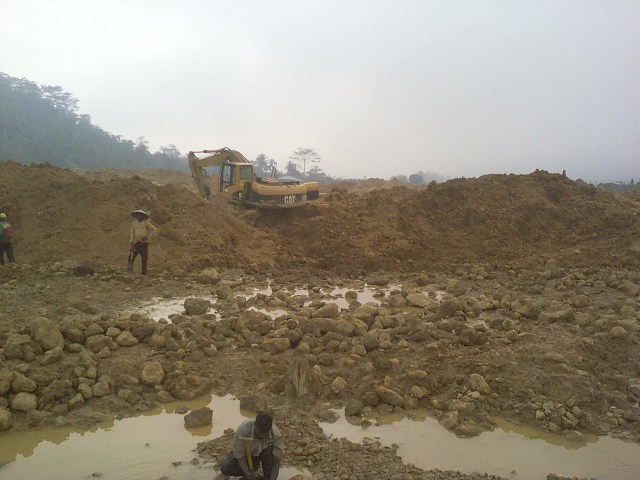
In view of this, the Ministry of Lands and Natural Resources embarked on a sensitization programme themed “SAVE OUR FOREST AND WATER BODIES FOR A BETTER GHANA” on February 14, 2014 at Twifo-Praso in the Twifo Atti-Morkwa District of Central Region, where River Pra, one of the country’s water bodies is heavily polluted as a result of the activities of galamsey. As part of the initiative to sensitize Galamsey prone areas, Nana Kwadwo Amposah, the Greening Ghana Ambassador embarked on a crusade by walking from Cape Coast to Twifo – Praso in the Central region. The journey gave him the opportunity to create environmental awareness in the various communities along the way. It took him two days to make the ninety kilometre journey. At a durbar that was held as part of the programme, the District Chief Executive, Mr. Bossman Osei Hyiamang Junior lauded the Ministry for choosing his district for the programme and expressed his desire to assist in the fight against the environmental menace that have deprived the district of her natural resources. He urged the chiefs to cooperate in that regard. He applauded the government for instituting the Ministerial Task Force that has in no small way saved the situation to some extent and cautioned the people of the impending visit of the Task Force. He admonished the people to refrain from condoning and conniving with foreigners in their illicit activities which do not serve the interest of the community. Delivering an address on behalf of the Chief Executive Officer of Minerals Commission, Mr. Eric Bukari elaborated how the Government saw the need to promulgate the Small Scale Gold Mining Law, PNDC 218. He pointed out that the Law which has been replaced with the Minerals and Mining Act 2006 (Act 703) is to streamline the activities of Artisanal and Small Scale Mining, create employment and stem the tide of illegal exploration of minerals. He justified this law by enumerating the benefits of Small Scale Mining to the socio-economic development of the country as offering employment to over one million people, contributing over 23% – 34% of Ghana total gold production, being the only source of minerals to the local jewelry industry and the dependence of the building industry on the Small Scale Mining outfit. He nevertheless lamented on the ills of illegal mining (Galamsey) that have led to the degradation of the environment, loss of farm lands, loss of forest cover with its attendant 2 climate change and extensive pollution of water bodies .

Exif_JPEG_420

Exif_JPEG_420

He urged anyone who is interested in Small Scale Mining to go through the laid down procedures as follows:  Identify Area of interest  Cartographic/ Cadastral Search Report  Submission of license Application  Pre-License Site Inspection  Publication of Application  Environmental Permit  Offer of Letter  License Agreement  Final Approval  Registration of license  Operating permit The Chief Executive Officer of the Minerals Commission appealed to all stakeholders to collaborate in the fight to save the environment. The Greening Ghana Ambassador, reminiscing his youthful days, spoke with nostalgia how the Pra River which was pearly blue in colour and served as drinking water, a fishing abode, a tourist attraction and many other purposes to the community and nation at large has lost its worth to the selfishness of a few. Nana Amposah appealed to all and sundry to be mindful of our attitude towards the environment. Referring to the National pledge and the lyrics in Ephriam Amu’ song “YEN ARA ASASE NI”, he passionately appealed to everyone to join in the crusade to save our environment for posterity The Chairman for the programme, Osaedeyo Kwesi Kenning IV Paramount Chief of Twifo Praso, applauded the government for choosing the district for this sensitization exercise and called on the people to cooperate and support the efforts of the government for the development of the country. He expressed his preparedness to work hand in hand with the government to protect the environment. A procession on the major streets of the town by school children and some residents of the town ended on the Pra River where the Greening Ghana Ambassador poured his heart out. There was also sensitization education on Sunrise FM, the local FM station by Ms. Victoria Antwi Sarpong, the Head of Public Relations of the Ministry, Mr. Emmanuel Okang , Assistant Communication Specialist and Ms. Matilda Ansah the District Information Officer of Twifi Atti- Morkwa.

Posted in Uncategorized | Leave a comment

Charcoal could clean polluted water

A type of charcoal made from eucalyptus trees could provide the solution to South Africa’s polluted water.

A University of Stellenbosch academic is developing a low-cost, low-tech water purification system with the charcoal, which will remove organic compounds from waste water in urban areas, the DST-NRF Centre of Excellence in Food Security said on Monday.

charcoal_ch10bxcg_frontview2

The charcoal, called biochar, could remove organic, some inorganic, and microbiological contaminants from water.

Professor Gunnar Sigge and collaborators at the Universities of Venda and Pretoria developed the purification system.

Sigge and colleagues tested different types of biochar made of pine and eucalyptus to maximise the amount of pollutants removed from the water. Of the two tree species tested, eucalyptus provided the best biochar.

“This filtration method could benefit subsistence farmers. And, with further development, eucalyptus biochar could be used to remove organic pollutants from wastewaters produced by wineries and the food industry.” Improving the quality of drinking and irrigation water by lowering the microbiological hazards and food safety risks would be beneficial to people’s health and the environment.

Adding used biochar to compost would benefit soil health and possibly result in increased crop yields, he said.

Since the organic compounds remained attached to the biochar, they could be recycled to create new organic products.

“Therefore not only is biochar filtration a low-cost, low-tech way to remove organic pollutants from water, but it is also wastewater treatment that is both renewable and sustainable.”

The Department of Science and Technology/National Research Foundation Centre of Excellence in Food Security is jointly hosted by the University of the Western Cape and the University of Pretoria.

News24

Posted in Uncategorized | Leave a comment

What Are the Environmental Costs of Valentine’s Day Flowers?

This time of year, the florists are flooded with red roses – long-stemmed, luscious and delicate, each one as perfect as the next. Roses are synonymous with love and passion, beloved by many, and even seen as quintessentially British.

valentines-day-love-wishes-2016

Our very British roses, however, are not a product of a beautiful royal garden in Kent – or even a hothouse in Holland. We never stop to think about how we can enjoy such quantities in February, but of course it is because, along with many of our luxuries, they are imported, flown thousands of miles so that you can stay in the good books on Valentine’s Day.

Some 70 per cent of the roses sold in the UK market come from Kenya. Roses are a cash crop vital to the economy and livelihood of many farmers and workers – especially women. But a single rose stem requires 10 litres of fresh water to reach its full size, so the industry is a huge drain on the country’s scant water resources, an issue that causes tension and even violence in the country.

This year, the charity International Alert is holding a Valentine’s exhibition, “Peace blooms: Cattle, conflict and the roses of Lake Naivasha” to highlight some of the issues surrounding Kenya’s rose trade. Visitors will be invited to explore the stories and concerns of both pastoralists and flower growers and leave their own comments about how the situation should be managed.

The exhibition marks the launch of Peace Audit: Kenya – the first in a series of International Alert’s peace assessments, giving the public – and in turn governments and big business – the opportunity to immerse themselves in the lessons and cultural narratives of communities affected by conflict.

“For us in the UK, roses represent something beautiful and loving. We are encouraged – even expected – to buy them, but we take them for granted,” says Dan Smith, the secretary general of International Alert. “We wanted to highlight some of the complexities behind it, so that people can think a bit more about where their daily comforts – even flowers – are coming from.”

The main industry in the area around Lake Naivasha, about two hours west of Nairobi, is agriculture, and, along with tea and tourism, the flower industry is one of the three biggest sources of income. There are more than 60 flower farms in the lake basin, employing 50,000 workers.8743829489_c8019973c8_z
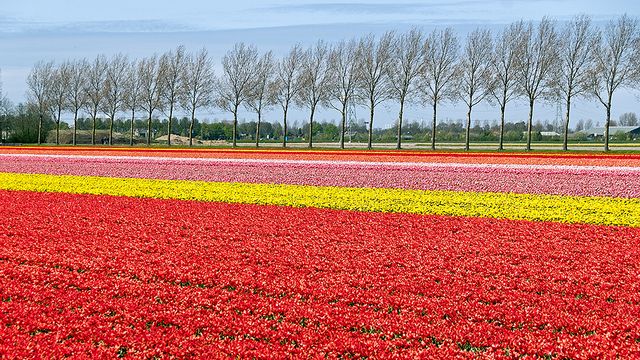
There are many positives emerging from the flower industry too. Most of the employees are women, as they are seen as more hard-working. This affords women more financial independence and equality. The bigger farms now have creches, and give the women three months’ maternity leave. But on other farms, the employees can be overworked and underpaid, as well as suffering health problems due to the harsh chemicals.

And with the influx of workers to the area, so too came problems. The population in the region swelled from 300,000 20 years ago to a projected one million in 2019. A shanty town has developed in the area, and those who cannot find work often turn to crime or prostitution. Illegal water use, pollution and deforestation are putting existing resources under even more pressure.

Conflict over water and other resources is common in Kenya. During the 2009 drought, flower farms built canals to irrigate the crops. Two children died falling into the canals, and Masai herder’s cattle were injured. This led to fighting between local pastoralists and the farms, with three deaths.

Smith is quick to point out that International Alert is not calling for any kind of boycott on Kenyan roses: “That would be devastating for so many, and there are some producers of flowers who are very careful with water and ensuring workers are treated fairly.”

International Alert hopes that in the future, the Kenyan government and farm owners will take steps to distribute natural resources more fairly, increase trust within communities and take steps to counter climate change. And, Smith points out, we as UK consumers have a part to play. “It can seem like a remote problem, but we are closely linked to this. We are using Kenya’s water and need to take steps to do that responsibly.”

Valentine’s Day has come around again. Far from a modern invention, pre-Christian Romans celebrated the Saint beheaded by Claudius II in Third Century Europe – apparently the martyr wrote a final letter before his execution signed ‘Your Valentine’.

index

North America did not embrace the holiday until Hallmark cards specialised in Valentine’s cards in 1910. Since then, the marketing of symbols of love has flourished. In 1939 the De Beers company made diamonds the ultimate gift of love; within three years, 80 per cent of engagement rings in the United States were diamonds. Much attention has been paid to the implications of ‘blood diamonds’, which led to the creation of the Kimberly Process in 2000 to attempt to stop the trade.

Gold too falls into this category. Gold has retained its social value for centuries, which can only partially be explained through its attractiveness and relative scarcity. Estimates of how much gold there is in circulation, in vaults and jewelry boxes, range from 155,244 to 2.5 million tons, with an estimated 52,000 tons minable gold still in the ground. Yet, the potential severe environmental degradation resulting from gold mining through soil erosion, deforestation, resource intensity, greenhouse gas emissions and cyanide pollution makes the appeal of gold less bright.

A more modest token – flowers – have also become a global industry. The connection between roses and love can be traced back to Aphrodite in Greece or Venus in Rome: the Goddesses of love. The cut-flower – or floriculture industry – was developed in England in the late 19th Century and now stands at an estimated US$33 billion. The Netherlands, United States and Japan account for nearly half of the world’s flower trade with the majority of the market being distributed via the Netherlands. The Netherlands makes up only 10 per cent of production volume but accounts for 60 per cent of global export. Since the 1990s, production has shifted towards countries where climatic conditions can provide year round production with low labour costs, with Colombia, Kenya, Ecuador and Ethiopia the world’s greatest producers. Whilst controls do exist, there are huge implications for the environmental impact of the industry.

Chemical pollution is an issue. The cut-flower industry is a short-cycle production process that requires the extensive use of agrochemicals which have a negative effect on the air, soil and water supply.

The industry has loose regulatory status because flowers are not edible crops and are exempt from regulations on pesticide residues, although they carry significantly more pesticides than allowed on foods. It is estimated that one-fifth of the chemicals used in the floriculture industry in developing countries are banned or untested in the US. In 2015, the Montreal Protocol (signed in 1987 to prevent the depletion of the ozone layer) deadline for changing floricultural chemical use of Methyl Bromide came into effect in all developing countries. Already 100 per cent phased out in the US since 2005, Methyl Bromide is a toxic chemical hazardous to humans, five times more potent than Carbon Dioxide and destructive to the ozone layer with an Ozone Depletion Potential of 0.6 (with CFCs classified as 1).

Water use is also an issue. Increasingly, virtual water is being exported through international trade from some of the most water-stressed countries. For example, cut flowers account for 45 per cent of Kenya’s virtual water exports. Controversy surrounds Lake Naivasha, with more than half of the water extraction coming from the floriculture industry. Yet, flowers provide livelihoods. In Kenya for example, the industry stands at US$141 million per year, which is the second largest foreign exchange earner for the country. Cut flowers in Kenya produce the highest economic return per unit of water exported. To maintain water balance going forward, Kenya may need to import water-intense crops, such as maize, to ensure food security, or for the price of water to be offset in a price premium by the consumer.

Regulation is needed. In Ethiopia, where serious environmental concerns have been raised, the total area of land covered with flowers has increased from less than 100 hectares in the late 1990s to more than 1200 hectares in 2008 (over 990 hectares or 82 per cent is for rose cultivation). The earnings from the floriculture sector amounted to more than US$131 million in the year 2009. Export value earned is expected to rise up to US$550 million by 2016. Whilst government guidelines and collectives have been created to ensure standards, the proportion of adopters is still low. Standards are arising through Fairtrade and sustainably certified flowers but much more needs to be done.

The market is fragile.  Proponents may argue that the floriculture industry employs thousands and takes the burden away from reliance on aid. Yet the industry is vulnerable to external factors such as currency rates, oil prices, climate change and the economic situation in the target markets.

As another Valentine’s Day brings a surge in demand for cut-flowers, and as the world edges towards a global population of 9.6 billion by 2050, which faces roughly a 70 per cent gap between the crop calories produced today and those that will be needed to feed the projected population, it is important to stop and ask whether the water, chemicals, land, air-miles and carbon footprint used for floriculture wouldn’t be better used elsewhere. For example, over 2,000 hectares of agricultural land in Kenya is used for cut flower cultivation and globally the area is expanding as countries like China make investments in the industry.

China has emerged as a large producer and exporter of floriculture products in Asia. According to official statistics, the estimated production value of flowers and plants in China increased by 150 per cent from €6 billion in 2009 to €15 billion in 2013. Of this, China’s cut flower industry had an estimated production value of €1.5 billion – the lily taking 42 per cent of the production value, followed by the rose at 24 per cent. Capitalising on this, as much as 90 per cent of the retail price of a rose is added after the flowers arrive in the United States or Europe.

Projecting into the future, China plans to become the largest flower exporter in Asia and the second globally after the Netherlands. Regardless of whether roses are grown in the greenhouses of Yunnan or elsewhere, we need to think about land use. Globally there is an estimated 2 billion hectares of degraded land, roughly twice the size of China, with opportunities for restoration. This Valentine’s Day it may be worth considering the value of this culturally constructed symbol of love, and looking at the thorns on your roses – which countries’ virtual water, chemicals, land and labour provide your love token.

This article was originally posted on http://www.wri.org
Posted in Uncategorized | Leave a comment

Arrest people practising open defecation

open-defecation

The Municipal Environmental Health Unit of the Savelugu/Nanton Municpal Assembly (S/NM) is to begin arresting residents, who practise open defaecation (OD) within the Municipality.

Mr Kombian Duut, S/NM Environmental Health Officer, who announced this, said it was to deter residents from practising OD to improve hygiene in the communities within the Municipality.

Mr Duut said already a resident was released on bail after being arrested for practising OD in the Municipality.

He was speaking at a forum organised by the Ghana Anti-Corruption Coalition (GACC) and Centre for Democratic Development-Ghana (CDD-Ghana) at Savelugu to discuss issues of health and sanitation as captured in the 2016 Open Defaecation free (ODF) League Table.

The forum, facilitated by the Savannah Integrated Rural Development Aid (SIRDA), formed part of the “I Am Aware” project being implemented by GACC and CDD-Ghana.

It was attended by officials from S/NM, residents and representatives of some civil society organisations.

The ‘I Am Aware’ project is an online platform where data on public service delivery in sectors including health, education, sanitation, water and security are published for all to access and use for evidence-based advocacy.

Mr Duut said OD was the major health problem in the Municipality as many houses did not have toilet facilities forcing residents to practice OD.

According to the 2016 ODF League Table, S/NM placed 15 in the Northern Region with 10 of its communities declared as ODF or having access to toilet facilities.

Mr Duut urged landlords to make provision for toilet facilities in their property to stop OD in the municipality.

Alhaji Mohammed Shaibu, S/NM Planning Officer urged residents to embrace the community-led total sanitation strategy to construct their own toilets to improve hygiene in their communities to avoid diseases.

Some community members, who took part in the discussions, appealed to S/NM to support households with subsidies to construct household toilets since they could not afford the cost of constructing the facility.

Others expressed need for sanitary inspectors to be deployed to communities to educate residents on OD as well as sanction those flouting rules on environmental sanitation.

Hajia Alima Sagito Saeed, Executive Director of SIRDA said efforts would be made to continue to mobilise residents to understand the issues as regards the I Am Aware project to promote accountability.

Source :GNA

Posted in Uncategorized | Leave a comment

2 Things to Consider When Measuring Your Company’s Health and Safety Performance

There’s a saying in business that “what gets managed, gets measured.” When it comes to occupational health and safety, however, it can be quite difficult to determine what performance measurements an organization should use to effectively and efficiently prevent workplace accidents, injuries, and illnesses. This may be due to the fact that occupational health and safety receives less attention from management when compared to other business priorities, such as profits and productivity.

This article will briefly discuss and highlight the advantages and disadvantages of the three most common safety performance indicators: negative lagging indicators, positive lagging indicators, and leading indicators.

Why Measure Health and Safety Performance?

Many organizations still make no attempt to measure their health and safety performance. But measuring this can be beneficial not only to the health and safety of the workers, but also to management themselves.

First, key performance indicators can be a useful tool in managing occupational health and safety, as it provides quantitative or semi-quantitative data that reflect the safety and health issues and activities in the organization. This data provides information on existing and emerging risks, exposures, and hazards, as well as on preventive activities aimed at reducing those hazards and risks (see Benefits of Expedited EHS Reporting and Technology Adoption in the Workplace to learn how to collect data more efficiently and use it more effectively).

Second, key performance indicators can be beneficial to management since it enhances the organization’s decision-making process. The information obtained has potential consequences for adapting to occupational health and safety policies, plans, and existing practices. It also helps the organization to decide where they are relative to where they want to be, as well as what progress is necessary and how that progress might be achieved against particular restraints, such as resources or time.

When Should Safety Performance Be Measured?

Measuring an organization’s health and safety performance is a continuous process. Therefore, safety performance should be measured at suitable intervals to ensure that specific planned milestones are achieved. Key performance indicators can be measured from a weekly basis to annually, depending on what is being measured.

Who Should Measure Health and Safety Performance?

An organization’s health and safety performance must be measured at each level of management, starting with the most senior management. The organization will also need to decide how to allocate responsibilities for monitoring health and safety performance at different levels in the management chain – who does what and when, and to what effect.

What Should Be Measured?

While finding the perfect measure of safety can be difficult task, it is advisable to measure both the bottom-line results of safety, as well as how well the company is preventing accidents and incidents. To obtain this data, the company must use a combination of indicators of safety performance (key performance indicators). According to Health and Safety Executive, the most frequently used indicators are lagging and leading safety performance indicators.

1. Lagging Safety Performance Indicators

What is a lagging indicator?

Lagging indicators measure an organization’s incidents in the form of past accident statistics. Data can be expressed in terms of percentages, rates, or absolute numbers. The most commonly used occupational health and safety lagging indicators are:

Negative lagging indicators:

Positive lagging indicators:

  • The number of hours worked (by the total work force) without lost time injury
  • The number of working days since the last accident
  • Employee satisfaction (survey)

Why use lagging indicators?

Lagging indicators are the traditional safety metrics used to indicate progress toward compliance with safety rules. They are the bottom-line numbers that evaluate the overall effectiveness of safety at the company.

Disadvantage of using lagging indicators

The major disadvantage of only using lagging indicators of safety performance is that they tell you how many people got injured and how badly, but not how well the company is doing at preventing incidents and accidents. While common, their reactionary nature makes them a poor gauge of prevention.

2. Leading Safety Performance Indicators

What is a leading indicator?

Leading indicators are measures preceding or indicating a future event used to drive and measure activities carried out to prevent and control injury. Leading indicators have predictive value and can, therefore, be used to improve occupational health and safety management in general. They also tend to focus on the positive rather than the negative.

Examples of leading indicators are:

  • The percentage of managers with adequate occupational health and safety training
  • The percentage of workers with adequate occupational health and safety training
  • The number of workplace inspections
  • Frequency of (observed) (un)safe behaviour
  • The number of occupational health and safety audits performed
  • Prevalence of certain health problems
  • Work Ability Index, which predicts the likelihood of early retirement
  • Safety climate and attitude (survey)

Why use leading indicators?

Leading indicators are focused on future safety performance and continuous improvement. These measures are proactive in nature and report what workers are doing on a regular basis to prevent injuries (find out more about How Proactivity in the Field Improves Worker Safety).

Disadvantages of using leading indicators

Although leading indicators measure what a company is doing to become better, they do not provide insight into the impact of the initiatives taken. Additionally, the positive nature of leading indicators can give management a sense of accomplishment, leaving them with a misleading perception of company safety performance.

Why Bother?

Measuring a company’s health and safety performance is not an easy task. Therefore, using key performance indicators are important for the effectiveness of an organization’s occupational health and safety management. While leading indicators have a greater potential for improving workplace health and safety, they are more difficult to standardize. Therefore, to improve the safety performance of an organization, using a a combination of leading and lagging indicators is ideal. Lagging indicators measure failure, while leading indicators measure performance, and managers need knowledge of both to ensure workplace safety.

Source: KeithBell/Dreamstime.com

Posted in Uncategorized | Leave a comment

Why Deforestation makes us Poorer in Africa

index

  • Trees are prevalent on farms across Sub-Saharan Africa: 30 percent of rural households surveyed in five countries reporting growing trees on their land.
  • Trees on farms contribute an average of 17 percent to annual household income for tree-growing households.
  • Trees are typically less susceptible to drought and other weather extremes than annual agricultural crops.
  • National governance context and distance to forest are key determinants of on-farm tree adoption and management.

Trees may be easy to spot on the plains of Africa but they are often overlooked as a source of income for farmers. A University of Illinois study shows trees on farms may help reduce rural poverty and maintain biodiversity.

“Trees on farms in Africa often fall through the cracks—they’re not forests and they’re not agriculture,” says U of I’s Daniel Miller, who studies environmental politics and policy. ”In our study, we found about one third of all rural farmers across five study countries have and grow trees on their farms. Among those farmers, trees on farms contribute 17 percent to their annual household income, so they’re very important for generating economic benefits for households.”

Miller’s study used satellite images showing forest cover and nationally representative household-level data gathered from in-person interviews in Ethiopia, Malawi, Nigeria, Tanzania, and Uganda.

One thing he learned is that there are more trees on agricultural lands than expected—about a third to more than half of the rural households report having on-farm trees. Fruit trees and cash crop trees such as coffee trees were the two most popular types of trees. Tree for timber and fuel were only reported by 5 percent of the households.

Here’s a short video of Miller discussing his research on trees on farms in Africa.

Ecologically, trees could act as biodiversity corridors, Miller says. “One of the findings is that trees on farms are more prevalent near forests. They can provide wildlife or bird habitat linking different forested or natural areas, while at the same time providing income potential to poor farmers. They promise a potential win-win for conservation and development.

“Overall, the results suggest that trees on farms should be given more attention in agriculture, food security and poverty-related policy debates in Sub-Saharan Africa, particularly as the need to tackle climate change becomes more urgent,” Miller says.

Trees can play an important role in both climate change adaptation and mitigation.

“Climate smart agriculture is a new buzzword,” Miller says. “The World Bank has committed to making their agricultural investments climate smart by 2019. Trees are climate smart because they aren’t as fragile as agricultural crops are to extreme shifts in climate. Oftentimes, trees can continue to produce when you might have a crop failure due to a drought. So, trees may provide a food source like mangoes or other fruit in times of difficulty.”

Trees on farms can also help mitigate some of the negative effects of climate change.

“Trees sequester carbon through photosynthesis, so by not clearing them, you’re not releasing the carbon into the atmosphere,” Miller says.

Because Miller looks at data from several angles, including the political implications, he is particularly excited about the national scale of the study. For policy makers, information presented at this scale—as done in this study—is especially useful in showing how trees benefit the five countries.

“One of the major findings from this work is that national-level differences explained a lot of the variation in whether people adopt or don’t adopt trees on their farms,” Miller says. “Particularly in Francophone countries, which I personally know better, central governments have historically claimed any tree as being the domain of forestry, which may shape farmer willingness to grow and use trees. For example, for a long time in Niger, farmers were wary of having trees on their farms because the central government had a legal right to come on their land and claim the trees as their own. It’s a legacy of colonial law in those countries.

“More recently, the law in Niger changed to allow greater farmer control of trees.  This change is a big reason for the exceptional re-greening that has happened across a large band of Niger,” Miller says. “That’s an extreme case, but it illustrates how national-level policies can affect farmer decision-making.  Tanzania, with its record of community forest management, provides a contrasting case.”

The research paper, “Prevalence, Economic Contribution, and Determinants of Trees on Farms across Sub-Saharan Africa,” is published in Forest Policy and Economics and is written by Daniel Charles Miller; Juan Carlos Muñoz-Mora, and Luc Christiaensen.

The Program on Forests at the World Bank provided partial funding for this work.

original article by Daniel Miller


Posted in Uncategorized | Leave a comment

Finally, Accra’s Lavender Hill Set for Permanent Closure

Residents and commuters along the Korle lagoon will soon enjoy new breath of fresh air as the new lavender faecal treatment plant is set to begin operations this week.

Exif_JPEG_420

Exif_JPEG_420

Exif_JPEG_420

Exif_JPEG_420

img-20170114-wa0004  video-8ab

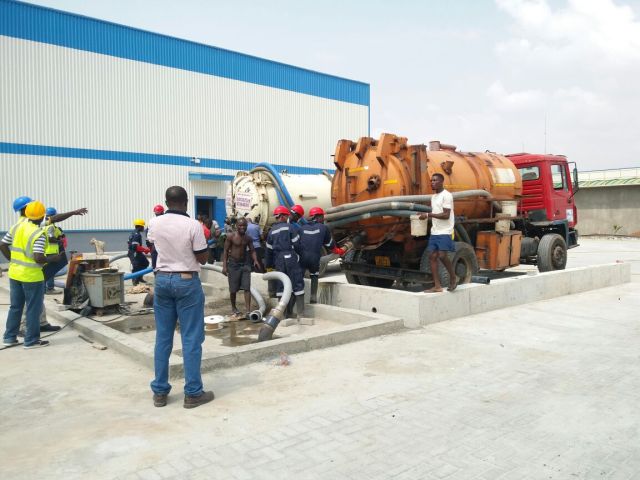
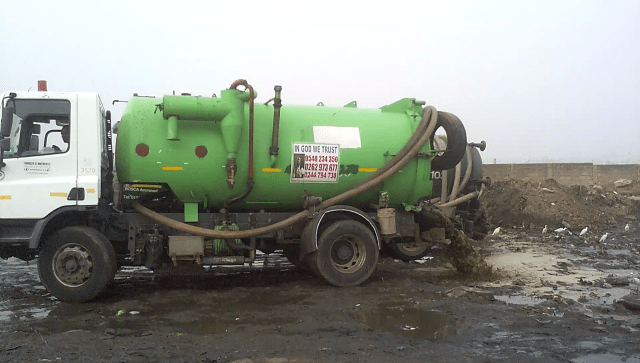
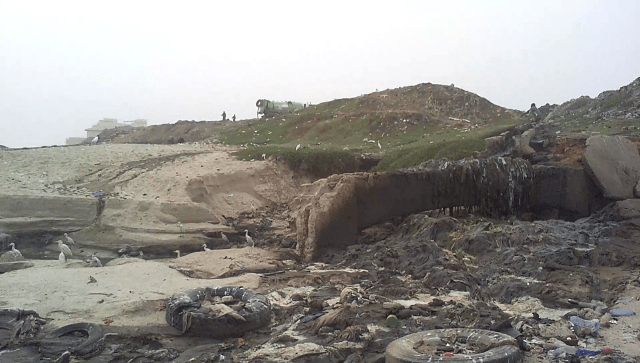
Prior to this installation, lavender hill beach served a s a dumping site for all liquid waste in the Accra Metropolitan Area. The liquid water is directly emptied into the beach without any treatment.

vlcsnap-2017-01-16-08h49m59s488vlcsnap-2017-01-16-08h49m05s581

These actions have had a negative impact o the populace living around the environs. It has also affected marine life and destroyed aquatic habitat for many organisms. Although the new lavender faecal treatment plant was commissioned on 25th November 2016, It has since not been operational. Sewage is still being dumped directly into the sea. Our visit to the lavender hill on 7th January 2017 attests to this fact. Follow the link to watch this video

Meanwhile, starting this week, a new modern and lawful disposal of sewage waste will be operational as the new lavender faecal treatment plant starts it full operations.

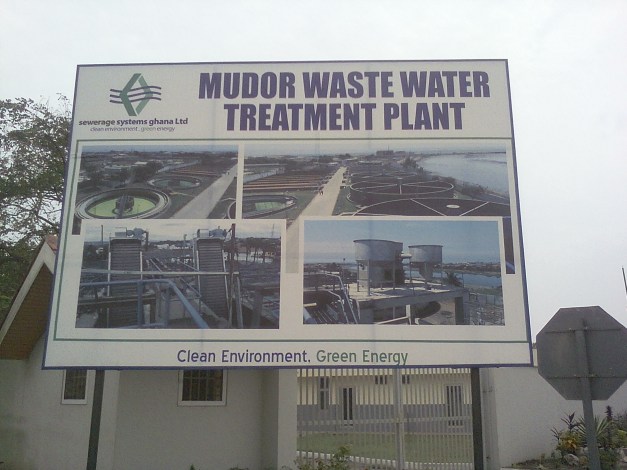
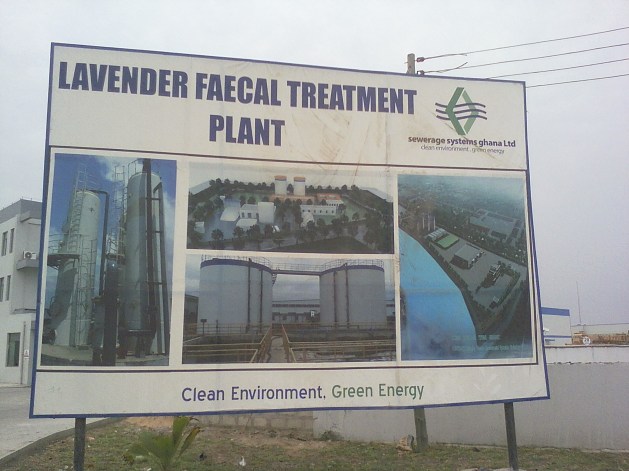
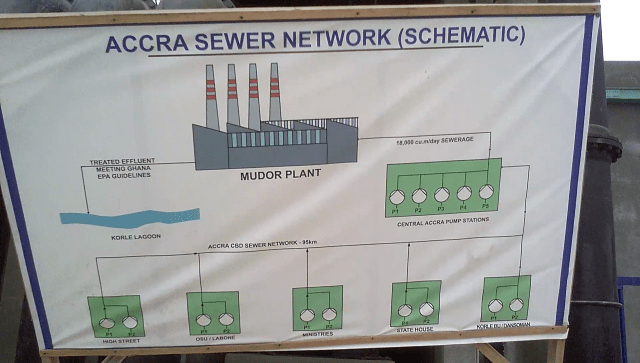
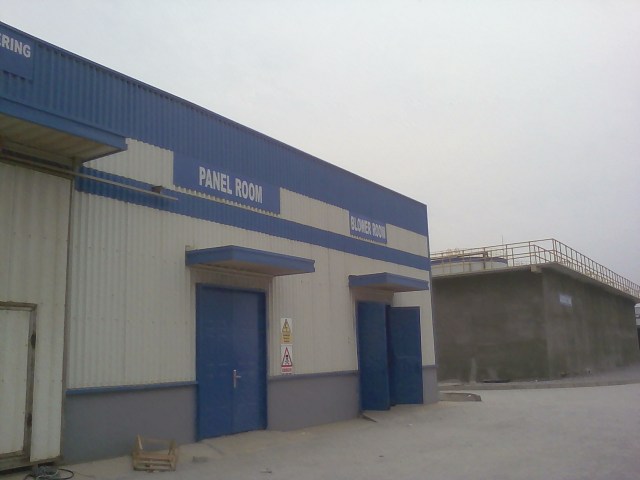
The entire project which commenced about three years ago is being undertaken by Sewerage Systems Ghana Limited and their Chinese contractors. The estimated cost of the project is about USD 25 million. The project is about 90% completion. The project involves the construction of two major sewerage treatment plants; the lavender faecal treatment plant and the mudor waste water treatment plant

vlcsnap-2017-01-16-08h39m50s215


Exif_JPEG_420

Exif_JPEG_420

Exif_JPEG_420

Exif_JPEG_420

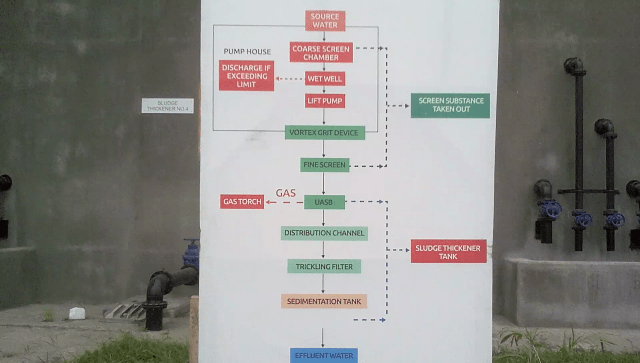
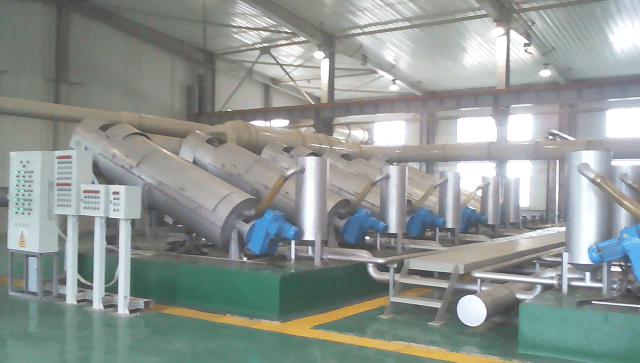
The first plant i.e. lavender faecal treatment plant is complete and set to start its operations this week. Over the weekend, it received over 120 liquid waste tankers for treatment. The treatment plant has a current operating capacity of 2,400m3/day. The plant consists of a primary treatment stage which includes screening, settling of solid particles and sludge dewatering. A secondary treatment stage will involve anaerobic digestion, anoxic-oxic digestion and secondary settling. The final stage will involve ultraviolet disinfection, Biogas utilization and digested sludge dewatering.After the final stage, by product of organic solids will be used as manure whereas effluent water will be treated to standard and reused in the plant and watering of lawns.

How the lavender sewage treatment plant works

The basic function of wastewater treatment is to speed up the natural processes by which water is purified. There are two basic stages in the treatment of wastes, primary and secondary, which are outlined below. In the primary stage, solids are allowed to settle and removed from wastewater. The secondary stage uses biological processes to further purify wastewater. Sometimes, these stages are combined into one operation.

vlcsnap-2017-01-16-08h40m26s010

Primary Treatment

As sewage enters a plant for treatment, it flows through a screen, which removes large floating objects such as rags and sticks that might clog pipes or damage equipment. After sewage has been screened, it passes into a grit chamber, where cylinders, sand, and small stones settle to the bottom. A grit chamber is particularly important in communities with combined sewer systems where sand or gravel may wash into sewers along with storm water. After screening is completed and grit has been removed, sewage still contains organic and inorganic matter along with other suspended solids.

vlcsnap-2017-01-16-08h33m19s694

These solids are minute particles that can be removed from sewage in a sedimentation tank. When the speed of the flow through one of these tanks is reduced, the suspended solids will gradually sink to the bottom, where they form a mass of solids called raw primary bio solids formerly sludge). Bio-solids are usually removed from tanks by pumping, after which it may be further treated for use as a fertilizer, or disposed of in a land fill or incinerated.

Secondary Treatment

The secondary stage of treatment removes about 85 percent of the organic matter in sewage by making use of the bacteria in it. The principal secondary treatment techniques used in secondary treatment are the trickling filter and the activated sludge process. After effluent leaves the sedimentation tank in the primary stage it flows or is pumped to a facility using one or the other of these processes. A trickling filter is simply a bed of stones from three to six feet deep through which sewage passes.

More recently, interlocking pieces of corrugated plastic or other synthetic media have also been used in trickling beds. Bacteria gather and multiply on these stones until they can consume most of the organic matter. The cleaner water trickles out through pipes for further treatment. From a trickling filter, the partially treated sewage flows to another sedimentation tank to remove excess bacteria. The trend today is towards the use of the activated sludge process instead of trickling filters.

Exif_JPEG_420

Exif_JPEG_420

The activated sludge process speeds up the work of the bacteria by bringing air and sludge heavily laden with bacteria into close contact with sewage. After the sewage leaves the settling tank in the primary stage, it is pumped into an aeration tank, where it is mixed with air and sludge loaded with bacteria and allowed to remain for several hours.

During this time, the bacteria break down the organic matter into harmless by-products. The sludge, now activated with additional billions of bacteria and other tiny organisms, can be used again by returning it to the aeration tank for mixing with air and new sewage. From the aeration tank, the partially treated sewage flows to another sedimentation tank for removal of excess bacteria.

To complete secondary treatment, effluent from the sedimentation tank is usually disinfected with chlorine before being discharged into receiving waters.

Chlorine is fed into the water to kill pathogenic bacteria, and to reduce odor. Done properly, chlorination will kill more than 99 percent of the harmful bacteria in an effluent. Some municipalities now manufacture chlorine solution on site to avoid transporting and storing large amounts of chlorine, sometimes in a gaseous form. Many states now require the removal of excess chlorine before discharge to surface waters by a process called dechlorination. Alternatives to chlorine disinfection, such as ultraviolet light or ozone, are also being used in situations where chlorine in treated sewage effluents may be harmful to fish and other aquatic life.

Exif_JPEG_420

Exif_JPEG_420


Posted in Uncategorized | Leave a comment

USAID’s Safeguarding the World’s Water Report

USAID proudly announces the release of its Safeguarding the World’s Water report for Fiscal Year (FY) 2015, documenting the Agency’s water sector activities and sharing progress made during the second year of implementing its Water and Development Strategysafeguarding_world_water_fy2015_cover_0

Highlights of some programs featured in this year’s report:

USAID reached 3.2 million children under 5 with nutrition-specific interventions in Ethiopia, where 30 percent of the people live on less than $1.25 a day and 40 percent of the children suffer from stunting, as of FY 2015.

By the end of FY 2015, working in 50 cities across Indonesia, USAID helped to facilitate improved access to safe piped water for more than 2.5 million people and continues to help more than 300,000 obtain access to improved sanitation facilities.

By FY 2015, in the West Bank and Gaza, Agency support for the construction and maintenance of vital water and sanitation infrastructure included the installation of 900 kilometers of water pipelines connecting 130,000 Palestinians to running water for the first time and improving access to clean water for more than a million people

Read more on the report https://www.usaid.gov/sites/default/files/documents/1865/safeguard_2016_final_508v4.pdf

Posted in Uncategorized | Leave a comment

EPA holds validation meeting on Biodiversity Offset and Business Scheme

Ghana’s biodiversity and ecosystems are being lost at an alarming rate with an aggregate pressure being from agricultural expansion, mining, timber extraction, construction and infrastructural development among other socio-economic factors and changes.

The Environmental Protection Agency (EPA) says the country has lost vast forest areas to wanton exploration by humans to satisfy their immediate economic needs without recourse to the regeneration capacity of the forest.

index

This reduces the closed forest cover of 145,000 square kilometres from the beginning of the 20th Century to 15,000 square kilometres.

Mr Ebenezer Sarpong, the Deputy Technical Director at the EPA, said an economic assessment of the cost of environmental degradation some two decades ago suggested that the country was losing over 54 billion dollars annually.

Thus there was every reason to believe that the figures have more than doubled, given the spate of unprecedented devastation currently being witnessed as a result of the manner in which artisanal mining or ‘galamsey’ is being carried out.

He said this called for urgent action and a change from the traditional methods of addressing those challenges using old biodiversity approaches and adopting current global methods such as Biodiversity Offset Business Scheme (BOBS).

Mr Sarpong was addressing stakeholders at a validation meeting in Accra on Thursday on the new BOBS, Framework and Guidelines that was being developed by the EPA in partnership with key stakeholders including the John Agyekum Kufuor Foundation, the NYCOB Enterprise Consortium, the Business Sector Advocacy Challenge (BUSAC) Fund, Forestry Commission and the National Biodiversity Committee.

He said the development of the BOBS by the EPA, in collaboration with key stakeholders, was to create a framework that would provide guidance for instituting a private sector-led offsetting programme in Ghana.

He said when implemented, the Scheme would help in mainstreaming biodiversity conservation actions into broader economic development activities and decision-making processes, ensure responsible management, sustainable utilisation, and also the equitable benefit sharing of biodiversity resources.

It would also encourage businesses to take responsibility for their impacts and generate additional private sector investments in biodiversity conservation, which was consistent with the agreement by Parties to the Convention on Biological Diversity in 2008.

This would enhance private-sector participation in biodiversity conservation and use appropriate tools such as biodiversity offset to account for impacts and further enhance the integrity of biodiversity wishing member States.

Mr Sarpong said the Scheme would further enable businesses to internalise the full cost of their impacts and ensure sustainability of their operations, employ market-based approaches which would be led by the private sector on an online portal.

The BOBS, he said, would empower biodiversity-based enterprises with the appropriate regulatory environment to attract more private investment into nature conservation and generate livelihoods for the populace along the value chain.

He said the EPA would work closely with its private sector partners to pilot the scheme in 2017 and implored all the stakeholders gathered to critic the documents to help fine-tune them for implementation.

Dr Yaw Osei-Owusu, the Chairman of the Advocacy for Biodiversity Offsetting Group (ABOG), said the scheme was seen as a new landscape of opportunity for business and biodiversity interface.

He said these engagements were meant to open up Ghana’s nature-based economic sector and attract more private sector investments in the Sustainable Utilisation, Management and Protection of the country’s Natural Capital Assets.

He said the ABOG, which was commissioned by the EPA a year ago as the first step towards the realisation of the initiative, would support the incoming administration to operationalise the BOBS and restore the target of 30,000 hectors of degraded area per year within the Offset Scheme.

Originally published by Christabel Addo, GNA

Posted in Uncategorized | Leave a comment

What Does 2017 Hold for Climate Change Policy?

President-Elect Donald Trump has said that “nobody really knows” if climate change is real. His nominee for the head of the Environmental Protection Agency is a noted climate skeptic. And his transition team has created a questionnaire for the Energy Department asking which employees have taken part in international climate negotiations and which programs are crucial for meeting President Barack Obama’s climate goals.

Given this drumbeat of news, climate scientists are worried. They’re blogging about the death threats they’ve received over their work. They’re warning about threats to future research funding. Some are even backing up public data on private servers because they fear that the Trump administration might cut the cord on federal climate research programs, The Washington Post reported. [The Year in Climate Change: 2016’s Most Depressing Stories]

climate-change

There are limits to what a president can do, however, and Trump’s position on climate change hasn’t always been consistent. On Dec. 11, for example, he told “Fox News Sunday” that he wasn’t sure what he’d do about the Paris Agreement, an international pact that aims to keep warming below 2 degrees Celsius (3.5 degrees Fahrenheit).

In other words, a Trump administration could do serious damage to climate research and policy — and even a few years of dithering could have real effects on things like drought and sea level rise, climate scientists say. Given Trump’s public statements and cabinet picks, few climate experts are optimistic that his administration will be friendly to the regulation of greenhouse gases. However, there is some economic and local momentum toward cleaner energy sources.

“I think local and state leadership will continue to be the beacon of light moving forward,” said Sarah Myhre, an oceanographer and climate scientist at the University of Washington in Seattle.

The overall mood in the climate science community is grim. After years of warning that the planet is warming, researchers are becoming increasingly outspoken about the effects already being seen. Average temperatures have risen by about 0.85 degrees Celsius (1.5 degrees Fahrenheit) over preindustrial norms, according to the Intergovernmental Panel on Climate Change. The Arctic is warming twice as fast as the rest of the globe, and scientists say Arctic sea ice will vanish during summertime by the middle of the century. At the other pole, the West Antarctic Ice Sheet is threatening to collapse, which could have major impacts on sea level rise.

“Our actions over the next four years will continue to alter the planet permanently,” Myhre told Live Science. “We’re talking about changing the entire planet forever. These are really serious, huge problems. They are not an abstraction.” [8 Ways Global Warming Is Already Changing the World]

Researchers are also becoming less reluctant to attribute weather events to climate change. The California drought of 2014 was partially due to greenhouse gas warming, according to a report in the journal Proceedings of the National Academy of Sciences. And when 22 separate research teams analyzed data over five droughts and heat waves in 2013, they found evidence of climate change’s impact on all of them.

Climate change raises the risk of unusual and extreme weather, scientists say. A common analogy is the use of steroids in baseball. It’s hard to attribute any one home run to a player’s steroid use, but the player is going to hit more balls out of the park overall.

“Realistically, we only have a few years to act if we are to limit warming below catastrophic” levels, Michael E. Mann, an atmospheric scientist at Pennsylvania State University, told Live Science.

Climate scientists consider 2 degrees C (3.5 degrees Fahrenheit) a dangerous level of warming that would send sea levels up by meters rather than feet, increase severe droughts and make some areas along the equator unlivable, Mann said. (Some scientists think even 2 degrees is too much — researcher and climate activist James Hansen has argued that even that level of warming will inundate coastlines and alter the environment irreversibly).

In this game of degrees, a single administration’s policy could have a big impact. Trump could withdraw from the Paris Agreement, in which the U.S. pledged to reduce its greenhouse gas emissions to 28 percent of its 2005 levels by 2025. A Republican-controlled Congress, paired with a climate-skeptical administration, could also damage fundamental climate research in the United States. In November, Trump adviser Bob Walker said that NASA should not be funded to do “politically correct environmental monitoring” of Earth and should instead focus on deep space. The statement frightened climate researchers, who use data from NASA satellites to monitor environmental changes. It also struck many as absurd.

“I think we’re aghast, honestly, that we would even politicize the observation of Earth or that we would differentiate it from planetary science because climate science is planetary science,” Myhre said. It’s impossible to understand the climate of other planets without understanding how Earth’s climate works, she said.

Funding is a major concern for climate scientists, Myhre said. Others are worried that the Trump administration will literally wipe out climate data by cutting funding to the federal agencies that maintain it. This month, meteorologist and climate journalist Eric Holthaus began spearheading an effort to archive governmental climate data to nongovernmental servers, just in case.

“It’s an extraordinary step to have to take, but we live in an extraordinary moment,” Holthaus wrote in The Washington Post.

Also in The Washington Post, Mann warned against “McCarthyist attacks” (i.e., those that lack proper evidence) on individual climate scientists. Mann has been something of a lightning rod for politicians who are hostile to climate change, and has been investigated and sued multiple times. He was the victim of a fake anthrax attack and has received multiple death threats.

“Such threats could spike again under a president and Congress hostile to climate science,” Mann wrote.

Trump’s cabinet picks signal that his administration might try to roll back previous attempts to prevent climate change. His choice for Environmental Protection Agency (EPA) head, Oklahoma Attorney General Scott Pruitt, has filed several lawsuits against the agency, USA Today reported. One lawsuit was against the Obama administration’s Clean Power Plan, which aims to cut carbon emissions from power plants. That initiative is currently on hold as the D.C. Circuit Court of Appeals reviews it, though some states are moving forward under its provisions. The other lawsuit, submitted in August, is an attempt to prevent the EPA from setting more stringent regulations on methane released from oil and gas drilling activities.

In this area, though, the Trump administration won’t have free rein. Even as head of the EPA, Pruitt might struggle to undo the actions that the agency has already taken. Rescinding rules takes time and would inevitably be stalled by litigation, Harvard law school professor Jody Freeman wrote for the Harvard Law School Environmental Law Program. For example, the EPA determined in 2009 that carbon dioxide emissions endanger health and welfare and can thus be regulated under the Clean Air Act, Freeman wrote. That finding has already been put through the crucible of the courts and has been upheld. It would be “extremely difficult, if not impossible” to reverse that finding at this point, she wrote. [6 Unexpected Effects of Climate Change]

The Clean Power Plan itself could be at risk if the D.C. Circuit Court doesn’t decide on the plan’s legality before Trump’s inauguration, Freeman wrote. In that case, the Department of Justice could remand the rule back to the EPA without a court decision, and then gut it. If, on the other hand, the D.C. Circuit Court strikes down the law, the Trump administration could choose not to defend it further, though some states and environmental organizations would likely attempt to appeal the D.C. court’s decision to the Supreme Court, Freeman wrote. If the D.C. court upholds the law, the Trump administration might refuse to defend it when state or industry actors appeal to the Supreme Court. Either way, if Trump appoints a conservative justice to the Supreme Court, as he is expected to, the bench would likely strike down the rule.

Even so, Freeman wrote, the momentum of the Clean Power Plan might live on. Many states are already committing to their own plans to increase renewable energy and to reduce greenhouse gas emissions, she wrote. States can also file their own lawsuits to push the federal government for climate action, just as Pruitt and some fellow state attorneys general have filed lawsuits trying to halt regulations.

California Gov. Jerry Brown, speaking at the annual meeting of the American Geophysical Union in San Francisco on Dec. 14, committed to just this sort of local pushback.

“We’ve got the scientists; we’ve got the lawyers,” Brown said, “and we’re ready to fight.”

Original article on Live Science.

Posted in Uncategorized | Leave a comment