How a tragic death could have been avoided: Safety lessons

A firm in the has been fined £175,000 following the death of an employee.Liam McArdle, from Gravesend, was fatally crushed by an excavator attachment. He worked for Erith Plant Services Limited at the time. The incident occurred on 21 September 2021.A demolition grab, attached to an excavator, fell onto the 24-year-old while it was loaded onto a lorry at Erith Plant Services Limited’s workshop at Eastern Quarry on Watling Steet, Swanscombe.

The Health and Safety Executive (HSE) investigation into the incident found Erith Plant Services Limited liable for the following :

1. Not ensuring a safe method of work while loading and unloading excavators and attachments.

2. Not ensuring steps were taken to ensure HGV drivers fully engaged the quick hitch when moving attachments during loading and unloading activities.

3. There was also no defined segregation between vehicles and pedestrians at the firm’s Eastern Quarry workshop, nor was there suitable supervision of work activities.

Erith Plant Services Limited, of Queen Street, Erith, Kent pleaded guilty to breaching Section 2(1) of the Health and Safety at Work etc. Act 1974. The company was fined £175,000 and ordered to pay £37,804 in costs at Woolwich Crown Court on 27 March 2024.

His death could have been avoided through proper adherence to health and safety regulations, such as:

1. Risk Assessment and Planning:A thorough risk assessment should have been conducted before allowing work on a fragile roof.Safer alternatives, such as using mobile elevated work platforms (MEWPs) or scaffolding, should have been considered.

2. Use of Fall Protection Measures:Guardrails, safety nets, or fall arrest systems should have been installed to prevent or minimize the impact of falls.Workers should have been provided with appropriate personal fall protection equipment (harnesses, lanyards, anchor points).

3. Training and Competency:Workers should have been adequately trained on working at heights and recognizing fragile surfaces.Supervisors should have ensured that all safety measures were being followed on-site.

4. Safe Access Methods:Roof access should have been controlled, and work should have been carried out using secure platforms, such as staging boards or crawl boards, to distribute weight safely.If possible, the task should have been performed from below or using alternative methods.

5. Strict Enforcement of Regulations:The company should have complied with the UK’s Work at Height Regulations 2005, which require employers to prevent falls where possible and mitigate risks where falls cannot be avoided.Regular inspections and monitoring should have been carried out to ensure safety protocols were being followed.

His death underscores the importance of strict adherence to health and safety protocols in construction, particularly when working at heights.
Posted in Uncategorized | Leave a comment

Heathrow shutdown:The hidden truth and safety lessons

We woke up on the 21st of March morning expecting regular flights in the skies of London but to be amazed with the stories headlines that Heathrow airport has been shut down.What is happening? Well on March 20, 2025, at approximately 11:23 PM GMT, there happened to be a fire break out at the North Hyde electrical substation in Hayes, West London. The fire was so  intense and massive that it severely disrupted power to Heathrow Airport, leading to its closure and affecting thousands of passengers.


What is the real cause of his fire?
There is still not a final investigative report yet but preliminary reports indicate that the fire could have resulted from a systemic failure of an oil-filled transformer within the substation. This may have been as a result of lack of maintaining aging equipment and insufficient investment in acquiring new infrastructure to replace worn out  equipment. While investigations are ongoing, authorities currently do not suspect foul play.


What are some safety lessons in this incident?
This incident has highlighted several critical areas for improvement in infrastructure resilience:
1. Redundancy Measures: The simultaneous failure of both primary and backup power systems at Heathrow underscores the need for more robust redundancy protocols. Implementing multiple independent power sources could mitigate the impact of similar incidents in the future.


2. Risk Assessment: The unexpected nature of the substation fire indicates potential gaps in current risk assessments. Regular evaluations and updates to hazard identification processes are essential to prepare for and prevent such occurrences.


3. Interdependencies: The cascading effects from a single substation failure leading to widespread disruptions emphasize the need for a comprehensive understanding of interdependencies among infrastructure sectors. A holistic approach to infrastructure planning and management is crucial to enhance resilience.
Paying attention to these fire safety issues is vital to prevent future disruptions and ensure the continuous operation of a critical international service such as the Heathrow Airport.

Posted in Uncategorized | Leave a comment

Top-Quality Safety Boots for Sale in Ghana-Shipped from the UK!

Looking for durable, comfortable, and affordable safety boots? Get premium UK-standard safety boots delivered straight to your doorstep in Ghana!

✅ Strong & Slip-Resistant
✅ Steel Toe Protection
✅ Affordable Prices
✅ Fast & Reliable Shipping

Place your order today and stay safe on the job!

WhatsApp only : [00233543438766 or 00233500161025]
DM to Order Now!

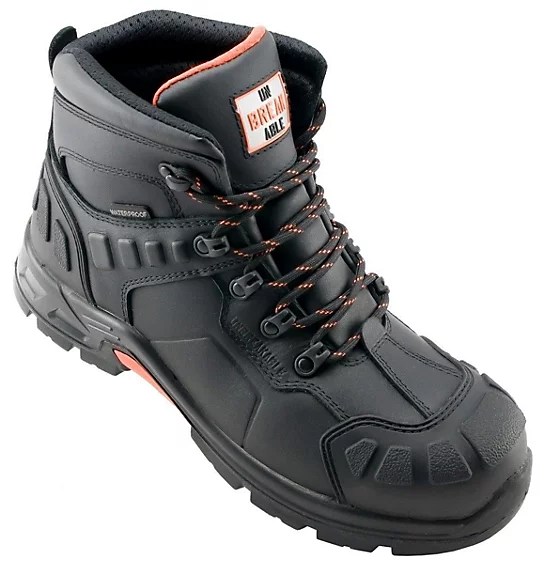
Unbreakable Hurricane S3 Black composite waterproof work safety boot U112. Price including shipping : Ghs 1500

New women ladies safety boots trainers work steel toe cap.Price including shipping Ghs 699.

Safety shoe trainers men/women lightweight steel toe cap work. Price including shipping Ghs 699.

Caterpillar Diagnostic 2.0 Safety boot black. Price including shipping GHS 2599

Site marble 2.0 men black safety boot. Price including shipping Ghs 899

Site marble 2.0 men black safety boot. Price including shipping GHS 799

Posted in Uncategorized | Leave a comment

Three years after the Bogoso Explosion:Are Lessons learnt and actions followed?

On the 20th January,2022, a truck carrying explosives which are used in mining collided with a motorcycle and blew up in a town called Apiate in the western region, Ghana. This caused the death of at least 17 people dead and injuring many people. Apiate, is near the city of Bogoso.The explosion resulted in dozens of buildings being reduced to piles of wood, brick and twisted metals. The explosion also blew off major road roads in the area.This caused a humanitarian crisis with indicated immediate need for water, food and other necessities including temporary shelter, beddings (blankets, mattresses and Cooking utensils) for the people in Apiate.

An independent three member committee was set up by the government to investigate the key findings and recommendations for the mineral commission.Three years after the incidence,are lessons learnt and recommended actions being followed and monitored by the mineral commission?

The investigation into the explosion at Apiate, near Bogoso, Ghana, identified several regulatory breaches and led to specific sanctions and recommendations.

The key Findings are

1. Regulatory Breaches by Maxam Ghana Limited: The company responsible for transporting the explosives was found to have violated regulations concerning the manufacture, storage, and transportation of explosives for mining and other civil works.

2.Inadequate Public Education: There was a noted lack of public awareness regarding the dangers associated with transporting explosives, which may have contributed to the high casualty rate.

The following recommendations and actions have been taken so far since this accident.

1. Financial Penalty: Maxam Ghana Limited was fined six million dollars for the regulatory breaches identified.

2. Operational Conditions for Maxam: The company must satisfy specific conditions before its operating license can be restored.

3.Prohibition on transporting Ammonium Nitrate and Fuel Oil (ANFO) on public roads to mines or civil worksites without explicit permission from the Chief Inspector of Mines.

4. Requirement for explosives to be escorted by two vehicles equipped with sirens to alert the public.

5.Obligation to notify the Chief Inspector of Mines 48 hours prior to transporting explosives.

6.Mandatory inspections by mine inspectors for each transportation to ensure compliance with regulations.

7. Suspension and Interdiction: The registration of Maxam Company Limited with the Minerals Commission was suspended, and the Chief Inspector of Mines was interdicted pending the outcome of the investigations.

8.Comprehensive Investigation: Calls were made for a thorough and independent investigation to identify systemic lapses and ensure accountability, with an emphasis on avoiding a blame game and focusing on uncovering the root causes of the disaster.

9. Enhanced Public Education: Recommendations were made to improve public education and sensitization regarding the transportation of explosives to prevent future incidents.

All these measures aim to strengthen

regulatory oversight, enhance safety protocols, and prevent similar tragedies in the future.

The Bogoso Explosion in Ghana
Posted in Uncategorized | Leave a comment

Do you have a Fall at Height Rescue Plan?

Benjamin Franklin’s quote, “If you fail to plan, you are planning to fail” emphasizes the importance of conducting an effective risk assessment and having a fall at height rescue plan on a Construction site. With over a decade managing health and safety on high risk construction projects, I have always highlighted on implementing emergency planning for hazardous work procedures at the workplace. It should be noted that just documenting emergency plan procedures without adequate training and drill testing for workers are not effective in preventing workplace injuries.

A fall at height rescue plan is crucial on a construction site because it ensures a swift and effective response in the event of a worker falling and being suspended in a harness or becoming trapped at height. I have listed below some key reasons why every site should have a fall rescue plan.

1. Prevents Suspension Trauma

After a fall, a worker suspended in a harness can experience suspension trauma (orthostatic intolerance), where blood pools in the legs, reducing circulation to vital organs. If not rescued promptly, this can lead to unconsciousness and even death.

2. Reduces Response Time

A well-prepared rescue plan minimizes delays in reaching the fallen worker. Waiting for emergency services may take too long, so having an on-site rescue strategy ensures immediate action.

3. Compliance with Regulations

Regulatory bodies like HSE (UK), OSHA (US), and EU Directives mandate that employers provide a rescue plan for work at height. Failure to comply can lead to legal consequences, fines, and site shutdowns.

4. Prevents Secondary Injuries

Improper or delayed rescue efforts can lead to additional injuries (e.g., spinal injuries if the worker is moved incorrectly). A structured plan ensures the rescue team is trained to use proper techniques to minimize harm.

5. Protects Rescuers

Without a clear rescue plan, untrained workers may attempt dangerous, improvised rescues, putting themselves at risk of falling. A structured plan ensures only trained personnel perform rescues safely.

6. Boosts Worker Confidence

Knowing there is a proper rescue plan in place improves worker morale and confidence, encouraging safer practices when working at height.

Subscribe to the YouTube channel for more health and safety news.

Posted in Uncategorized | Leave a comment

Safety Review of the Tyler Byrne Fatal Accident

In the latest news of Health and Safety Matters, a Rail company called Network Rail has been fined £3.4m and other costs of £43,096 for failing to ensure adequate safety measures which could have prevented a fatal incident on it’s worker.
This is after an investigation and prosecution was conducted on the incident by the UK responsible body the Office of Rail and Road(ORR).
This fatal incident occurred on 9th February 2021 The victim Tyler Byrne was fatally wounded Tyler Byrne while he was performing track inspections near Surbiton railway station in south-west London, he was struck by a passenger train and pronounced dead at the scene.
The investigation revealed that there was no protection and an inadequate warning system in place, which exposed all members of the working party to the risk of being struck by a train in the course of their work. In addition there were no systems of monitoring and supervision for workers undertaking this task.

The video reviews the Health and Safety lapses that caused this fatality. Subscribe to the YouTube channel for more health and safety news.

Posted in Uncategorized | Leave a comment

Searching for a construction job in the UK?

The UK construction industry remains a strong sector with high demand for skilled and unskilled workers.This is because of the drive by the government for  infrastructure projects, housing developments, and commercial construction. This means there will always be a demand for construction skilled and unskilled workers for the next decades ahead.


The construction industry here  faces a shortage of skilled trades people, including bricklayers, carpenters, electricians, and plumbers.
However there are some identifiable challenges in the industry such as
Economic uncertainty: High inflation and interest rates affect private investment, slowing some large-scale projects.
Skills gap: Many experienced workers are retiring, and fewer young workers are entering the industry, leading to a skills shortage.
Post-Brexit workforce changes: Stricter immigration rules have reduced the number of EU workers in construction.


Despite these challenges,the future is still bright with career prospects and good pay out when you have the right qualification and skill.
To give a fair idea of what you are in for. If you are an Entry-level (CSCS Labourers, Site Operatives), you could earn  £12-£15 per hour on your job.
For skilled Skilled trades (Electricians, Plumbers, Carpenters), they tend to land temporary to permanent roles which could range from £35,000-£50,000 per year. This is the salary bracket that qualifies for obtaining a Certificate of Sponsorship from employers.


Not many employers provide COS recently, but some companies who are in demand for skilled workers highly employ international workers with this offer. It is worth starting obtaining the right qualifications and applying on the job boards for interested workers.


Once you have your card, look for jobs on these platforms:
Job boards: Indeed, Totaljobs, Reed, CV-Library
Construction recruitment agencies: Daniel Owen, Hays Construction, Randstad, Fawkes & Reece
Company websites: Check career pages of large construction firms like Balfour Beatty, Kier Group, and Laing O’Rourke.
Subscribe and watch the video showing more CSCS jobs and how to apply for it.

Posted in Uncategorized | Leave a comment

Accessing the right type of CSCS card

The CSCS card acquisition process is quite simple and easy. The key point is definitely knowing which card you qualify to apply for. This is because each card has specific requirements to meet professional or academic status. This write up highlight the steps in a simple way to help you follow easily the process to acquiring your CSCS card.

To obtain the right Construction Skills Certification Scheme (CSCS) card in the UK, follow these steps:

Step 1: Identify the Right CSCS Card.There are different CSCS cards based on job roles and qualifications. Some common ones include:Labourer (Green Card) – For general construction workers.Skilled Worker (Blue Card) – For workers with an NVQ Level 2 or equivalent.Gold Card (Supervisory or Advanced Craft) – For supervisors or those with NVQ Level 3+.Black Card (Manager) – For construction managers with NVQ Level 6+.Academically or Professionally Qualified Person (AQP/PQP Card) – For degree holders or members of professional bodies (e.g., IOSH, CIOB).

Step 2: Obtain the Required Qualifications.Most CSCS cards require an NVQ/SVQ or equivalent qualification in construction.Labourers can complete the Level 1 Award in Health and Safety in a Construction Environment instead.AQP/PQP applicants need proof of professional qualifications or membership.

Step 3: Pass the CITB Health, Safety & Environment (HS&E) TestBook and pass the relevant CITB HS&E test (e.g., Operatives, Specialists, or Managers & Professionals).The test costs £22.50 and is valid for two years.

Step 4: Apply for the CSCS Card once you have the qualifications and passed the CITB test, apply

Posted in Uncategorized | Leave a comment

What are employers duties under the UK Manual Handling Operations Regulations?

Manual handling is a key aspect of many jobs in the UK, especially in industries such as construction, logistics, warehousing, healthcare, and manufacturing. However, poor manual handling practices can lead to serious injuries, particularly musculoskeletal disorders (MSDs) affecting the back, shoulders, and limbs. To reduce the risks associated with manual handling, the UK government introduced the Manual Handling Operations Regulations 1992 (MHOR 1992) under the Health and Safety at Work etc. Act 1974.

I would like to provide an overview of the MHOR 1992, including its key requirements, employer and employee responsibilities, and best practices for compliance.

What Is the Manual Handling Operations Regulations 1992?The Manual Handling Operations Regulations 1992 (MHOR 1992) is a piece of legislation that aims to reduce the risk of injury from manual handling tasks in the workplace. The law applies to any lifting, carrying, pushing, pulling, or moving of loads that could pose a risk of injury. It requires employers to assess and minimize manual handling risks to protect workers from short-term and long-term injuries.

What Is Considered Manual Handling?Manual handling includes any activity that involves:Lifting or carrying heavy objects,pushing or pulling loads,moving loads over long distances,repetitive lifting or awkward postures.

Why Was MHOR 1992 Introduced?According to the Health and Safety Executive (HSE), manual handling injuries are one of the leading causes of workplace illness in the UK. By introducing these regulations, the government aimed to:Reduce musculoskeletal disorders (MSDs) such as back pain and repetitive strain injuries,improve workplace safety and reduce the number of lost Workdays and ensure that employers take a proactive approach to manual handling risk management.

The regulations follow a hierarchical approach to risk reduction, often referred to as “Avoid, Assess, Reduce.”

1. Avoid Manual Handling Where Possible.Employers must first eliminate the need for manual handling if it is reasonably practicable. This can be achieved by:Using mechanical aids such as forklifts, conveyor belts, or lifting equipment,redesigning work processes to reduce manual effort,automating tasks that involve heavy or repetitive lifting.

2. Assess the Risks of Manual HandlingIf manual handling cannot be avoided, employers must conduct a risk assessment to evaluate potential hazards. The risk assessment should consider:Task – The type of movement involved (e.g., twisting, bending, reaching)Load – The weight, size, and shape of the objectEnvironment – Workplace conditions (e.g., confined spaces, uneven flooring, lighting)Individual Capabilities – The worker’s physical fitness, training, and experienceA proper risk assessment should help identify high-risk tasks and determine appropriate control measures.

3. Reduce the Risk of Injury.Once risks are identified, employers must implement control measures to minimize them. These may include:Providing lifting aids such as trolleys, hoists, or pallet jacks.Training employees on safe lifting techniques,adjusting workplace layout to reduce the need for bending or reaching using team lifting for heavy loads.

Employer Responsibilities Under MHOR 1992

Employers have a legal duty to:

✔ Eliminate or reduce manual handling risks where possible

✔ Conduct manual handling risk assessments and review them regularly

✔ Provide employees with proper training in manual handling techniques

✔ Ensure workplace conditions support safe manual handling (e.g., clear walkways, proper lighting)

✔ Provide lifting aids and mechanical handling equipment when necessaryFailure to comply with these duties can result in HSE enforcement actions, fines, or legal claims from injured workers.Not forgetting about Employees, they also have responsibilities Under MHOR 1992.

Employees also have responsibilities under the regulations, including:

✔ Following manual handling training and safe lifting techniques

✔ Using mechanical aids or lifting equipment provided by the employer

✔ Reporting hazards or unsafe manual handling conditions to supervisors

✔ Avoiding risky manual handling tasks unless properly trained

Employees must take reasonable care of their own health and safety and cooperate with their employer’s safety measures.

More details of the relevance of the MHOR 1992 is detailed in the link below.Follow and subscribe to our YouTube channel for more updates and information on Health and Safety related topics.

Posted in Uncategorized | Tagged , , , , , , , | Leave a comment

CSCS card: A pathway to COS construction jobs in the UK

The UK construction industry faces an ongoing shortage of skilled workers, leading employers to recruit talent from overseas. Despite this fact, employers in the UK do not value only the experience of foreign job applicants without key consideration of meeting their industry required certification standards. My present experience in my job search in the construction industry is a testament that recruiters’ essential requirements is the CSCS card. Another key essential requirement often with good paying jobs is having a Full UK Drivers license as companies do not pay extra to hire you a driver for your trips and site inspections as a Manager or Director.

For foreign construction workers to legally work in the UK, they must secure a Certificate of Sponsorship (CoS) from a licensed employer under the UK’s Skilled Worker visa scheme. One way to improve the chances of obtaining CoS sponsorship is by acquiring a Construction Skills Certification Scheme (CSCS) card. This article explores how a CSCS card can enhance a worker’s employability and eligibility for CoS sponsorship in the UK construction sector.

What Is a CSCS Card?A CSCS card is an industry-recognized certification proving that a construction worker has the necessary training, qualifications, and health and safety awareness to work on a UK construction site.I must say that this is not a legal requirement but almost every UK construction employers and contractors require workers to hold a valid CSCS card before allowing them on-site.Having this card demonstrates that the worker has acquired the minimum training on Health and safety expected for working in his field on the construction site.

What Is a Certificate of Sponsorship (CoS)?A Certificate of Sponsorship (CoS) is an electronic document issued by a UK employer who is licensed to sponsor foreign workers under the Skilled Worker visa route. To obtain a CoS, the employer must prove that the job meets the required skill level and salary threshold and that the worker has the necessary qualifications.I will try to highlight some key relevance of how a CSCS Card can improve the chances of getting a CoS sponsorship.

1. Demonstrates Competence and Qualification.To be eligible for a Skilled Worker visa, foreign construction workers must prove that they meet the skill level required for the job they are applying for. Having a CSCS Skilled Worker card shows that the worker has an NVQ Level 2 or higher qualification, which aligns with the eligibility requirements for sponsorship under the UK Shortage Occupation List.

2. Enhances Employability with UK Construction Employers.Employers prefer hiring workers with a CSCS card because it assures them that the worker is competent and has a basic understanding of health and safety regulations. For a UK employer to sponsor a worker for a Skilled Worker visa,all they need to justify why they are hiring a foreign worker instead of a local one. A CSCS card strengthens a candidate’s profile by showing that they have already met industry standards, making them a more attractive choice for sponsorship.

3. Aligns with Health and Safety Requirements.Health and safety compliance is a top priority in UK construction. Holding a CSCS card proves that a worker has passed the CITB Health, Safety & Environment (HS&E) test, demonstrating their awareness of on-site risks and safety protocols. Since UK employers must comply with strict Health and Safety Executive (HSE) regulations, they prefer workers who already understand and adhere to these standards.

4. Eases the Sponsorship Process for Employers.UK construction companies must go through a rigorous process to sponsor a foreign worker. They must prove to the Home Office that the candidate meets skill, qualification, and safety requirements. If a worker already has a CSCS card, it reduces the burden on the employer to justify their hiring decision and speeds up the CoS application process.

5. Helps Meet Skilled Worker Visa Requirements.For a foreign construction worker to qualify for a Skilled Worker visa, the job must meet the required skill level (RQF Level 3 or above). Many construction roles, such as bricklayers, plasterers, and welders, are on the UK Shortage Occupation List, but candidates must still prove their competency. A CSCS card, particularly a Skilled Worker or Advanced Craft card, provides evidence of the necessary training and qualifications, increasing the chances of visa approval.

In my subsequent write up, I will provide information on the types of CSCS cards that are accessible based on your trade or qualifications. Please subscribe to our YouTube channel and obtain update and key information on accessing CSCS card and COS sponsored jobs.

https://youtu.be/0vqjDqLFHb8?si=pesIE5zYmn5xCzqn

Posted in Uncategorized | Tagged , , , , , , , | Leave a comment