1 in 4 Children Worldwide Facing Extremely Scarce Water By 2040

 Warning that as many as 600 million children – one in four worldwide – will be living in areas with extremely scarce water by 2040, the United Nations children’s agency has called on governments to take immediate measures to curb the impact on the lives of children.

In its report, Thirsting for a Future: Water and children in a changing climate, the UN Children’s Fund (UNICEF) explores the threats to children’s lives and wellbeing caused by depleted sources of safe water and the ways climate change will intensify these risks in coming years.

“This crisis will only grow unless we take collective action now,” said UNICEF Executive Director Anthony Lake announcing the report, which was launched on World Water Day on March 22.

“But around the world, millions of children lack access to safe water – endangering their lives, undermining their health, and jeopardizing their futures.”

According to the UN agency, 36 countries around the world are already facing extremely high levels of water stress.

Warmer temperatures, rising sea levels, increased floods, droughts and melting ice affect the quality and availability of water as well as sanitation systems, warns the report.

These combined with increasing populations, higher demand of water primarily due to industrialization and urbanization are draining water resources worldwide.

“On top of these, conflicts in many parts of the world are also threatening access to safe water.”

According to a UN-Water: World Water Development Report, about two-thirds of the world’s population currently live in areas that experience water scarcity for at least one month a year.

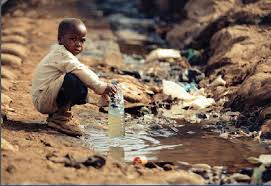
All of these factors force children to use unsafe water, exposing them to deadly diseases like cholera and diarrhoea, UNICEF’s report reminds.

“Many children in drought-affected areas spend hours every day collecting water, missing out on a chance to go to school. Girls are especially vulnerable to attack and sexual violence during these times.”

However, the impact of climate change on water sources is not inevitable, noted the report, recommending actions to help curb the impact of climate change on the lives of children.

One of the points it raised is for governments to plan for changes in water availability and demand in the coming years and to prioritize the most vulnerable children’s access to safe water above other water needs to maximize social and health outcomes.

It also called on businesses to work with communities to prevent contamination and depletion of safe water sources as well as on communities to diversify water sources and to increase their capacity to store water safely.

“Water is elemental – without it, nothing can grow,” said Lake, urging for efforts to safeguard children’s access to water. “One of the most effective ways we can do that is safeguarding their access to safe water.”

,Rome

Posted in Uncategorized | Leave a comment

Six African Countries Switch to Green Business Development for Sustainable Growth

Stakeholders from six African countries are meeting in Accra, Ghana on March 23-24 at a Regional Policy Dialogue of the Switch Africa Green project.

The objective of this dialogue is to create a common understanding of policy landscape to enable countries strengthen their institutions with appropriate tools and legal instruments for green business development targeting four key sectors – agriculture, integrated waste management, manufacturing and tourism.

“Through the European Union’s technical and financial support, the six countries implementing Switch Africa Green are well positioned to integrate climate change issues in a wide range of sectors. All stakeholders should actively contribute to translate these innovative policies into concrete actions,” said Paolo Salvia, European Union. “The European Union will continue supporting the six countries transition towards a greener economy, benefiting all citizens.”
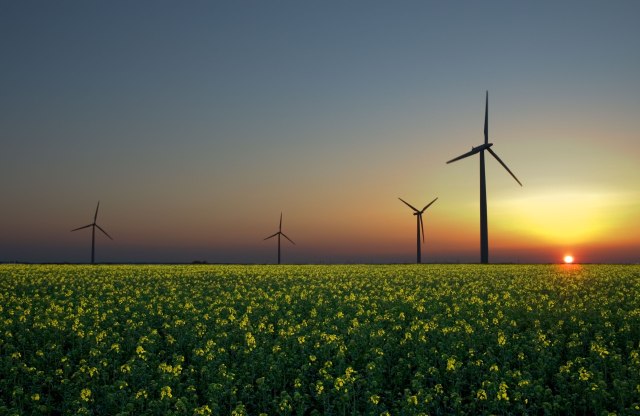
Alternative_Energies
The countries namely Burkina Faso, Ghana, Kenya, Mauritius, South Africa and Uganda, selected three sectors for implementation based on their respective needs and priorities. They have already developed their national Sustainable Consumption and Production programmes and national green economy strategies. Green economy investment is one of the ways through which Africa can achieve economic growth that is sustainable, inclusive, and transformative.

The policy dialogue will provide a platform for policy-makers, partners and investors to identify concrete opportunities for further cooperation in green business entrepreneurship, eco-innovation and sustainable consumption and production in the region. The opportunities identified are implemented in line with the country policies.

“We have developed policies on Sustainable Development and Green Economy for Ghana to transition to a green economy through the promotion of sustainable consumption and production practices. Switch Africa Green project is supporting us to implement these policies and translate them into action,” said Hon. Prof. Kwabena Frimpong Boateng, Minister of Environment, Science, Technology and Innovation, Ghana.

Switch Africa Green is developed and funded by the European Union to support African countries in their transition to an inclusive green economy. These transitions are envisaged to materialize by adopting and implementing Sustainable Consumption and Production patterns and practices.

“Switch Africa Green has demonstrated that it is possible for micro, small, and medium enterprises to green their businesses through the application of sustainable consumption and production practices,” said, Frank Turyatunga, UN Environment.

“With support from the European Union and in collaboration with UNDP and UNOPS, UN Environment continues to work with these countries to put in place policies that support green business development in Africa.”

Source:http://gh.one.un.org

Posted in Uncategorized | Leave a comment

Why waste water?

Paying closer attention to the way Ghanaians treat and dispose wastewater in their homes, farms and industries, can move the country a step farther in reaching all the targets of the Sustainable Development Goal on Water, says UNICEF.

Wastewater simply refers to water that been used in the home (for bathing, toilets, dishwashing, laundry etc.), on farms (mixed with pesticides or chemical fertilizers) or as part of an industrial process.

According to the Progress on Drinking Water, Sanitation and Hygiene Report (2014 update) produced by the World Health Organization in collaboration with UNICEF, globally, 1.8 billion people use a source of drinking water contaminated with faeces, putting them at risk of contracting cholera, dysentery, typhoid and polio. Unsafe water, poor sanitation and hygiene causes 842,000 deaths each year.

In Ghana, three out of every five people drink water contaminated with faeces, risking contracting diseases which include diarrhoea and cholera. Diarrhoea causes the deaths of over 3,600 Ghanaian children every year with cholera outbreaks occurring too frequently in our cities. Despite recent positive developments, the majority of our household wastewater continues to be discharged untreated, much of it polluting our rivers, groundwater and coastal waters.

“It’s important to consider how we dispose of water we use at home and in our companies. We must realize that this is putting the lives of Ghana’s children at risk. Let’s keep working together to ensure that every child has access to safe water,” says Susan Namondo Ngongi, UNICEF Representative in Ghana.

In reality, most of the wastewater that is produced remains untreated causing widespread water pollution, especially in developing countries like Ghana.  A global estimate by UNDP and UN-Habitat states that 90% of all wastewater generated and released into the environment is untreated. In many developing countries, the bulk of domestic and industrial wastewater is discharged without any treatment or after primary treatment only.  Currently, Ghana as a country lacks adequate wastewater treatment systems and majority of households and communities nationwide lack basic sanitary facilities.

Today, as the world marks the twenty-fourth celebration of World Water Day, it must be noted that the costs associated with wastewater management are greatly outweighed by the benefits – protection of human and public health, environmental sustainability and economic development. Specific benefits include valuable resources such as biogas, organic fertilizers and treated water for irrigation for farms, landscapes and public parks.

Source: UNICEF GHANA

Posted in Uncategorized | Leave a comment

Kofi Annan Urge Governments to Close Africa’s Energy Deficit

The Chair of the Africa Progress Panel and former UN Secretary-General, Kofi Annan, and the President of the African Development Bank, Akinwumi Adesina, have called on African governments and their partners to do everything possible to close the continent’s huge energy gap.

They made the call on Monday, March 13, 2017 in Abidjan, Côte d’Ivoire, at the launch of the Africa Progress Panel Report on “Lights, Power, Action: Electrifying Africa,” which calls for the adoption of every available on-grid and off-grid solution to light up and power Africa.

“The electricity deficit in Africa is immense,” said Adesina. “Today, 645 million people do not have access to electricity.

“Yet the continent has abundant supply of solar, hydropower, wind and geothermal potential, as well as significant amounts of natural gas and in some countries coal deposits. Africa has energy potential, yes, but we need to unlock that potential. And we must do so quickly, because Africans are tired of being in the dark.”

Adesina stated that he drew inspiration from the Panel’s previous report in developing the Bank’s High 5 development priorities, which places energy as the top priority, and which has, through the Bank’s New Deal on Energy for Africa, committed to investing US $12 billion on energy in the next five years and leveraging US $45-50 billion from the private sector and other partners. The goal is to connect 130 million households via the grid, 75 million people via off-grid and provide some 130 million households with access to clean cooking energy.

The AfDB President commended the Africa Progress Panel for another very insightful report which, he said, will help Africa think through how to achieve the off-grid electricity revolution, as part of the comprehensive New Deal on Energy for Africa.

Lights, Power, Action notes that more than 620 million Africans without access to electricity cannot wait for grid expansion. While grid-connected megaprojects such as large dams and power pools are essential to scale up national and regional energy generation and transmission, they are slow and expensive. Therefore, governments must also increase investment in off-grid and mini-grid solutions, which are cheaper and quicker to install, the report says.

“What we are advocating is for African governments to harness every available option, in as cost-effective and technologically efficient a manner as possible, so that everyone is included and no one is left behind,” said Kofi Annan.

Of the 315 million people who will gain access to electricity in Africa’s rural areas by 2040, it is estimated that only 30 per cent will be connected to national grids. Most will be powered by off-grid household or mini-grid systems.

“Lights, Power, Action” is an in-depth follow up to the influential 2015 Africa Progress Report, “Power, People, Planet: Seizing Africa’s Energy and Climate Opportunities“. It urges governments to put in place the incentives needed to encourage greater investment in off-grid and mini-grid systems, protect consumers, and facilitate demand among disadvantaged groups.

Above all, governments need to foster an environment in which companies can enter energy generation, transmission and distribution markets, climb the value chain, and build the investment partnerships that can drive growth and create jobs.

“Traditional approaches to extending the grid are no longer viable as the main option for African countries,” Annan said. “They will take too long and will not meet the needs of our growing economies and societies. Instead, governments and their partners need to seize the opportunity to re-imagine their energy futures.”

For more information or to download the report, please visit: www.africaprogresspanel.org

Posted in Uncategorized | Leave a comment

Turning farming into business through agricultural skills and entrepreneurship development

The Government of Ghana has identified agricultural growth and transformation as a driver of jobs and industrialisation. Along with meeting needs in infrastructure, technology, water management, and the business environment, success will hinge on the availability of vocational and entrepreneurship training for young people.

The Ministry of Trade and Industry (MoTI) and the Ministry of Food and Agriculture (MFA) are helping prepare the agro-businessmen and businesswomen of the future by providing them today with opportunities to acquire the right training and experience in agro-processing, machinery, and business management. The International Fund for Agriculture Development (IFAD) and the African Development Bank are among the partners in this endeavour.

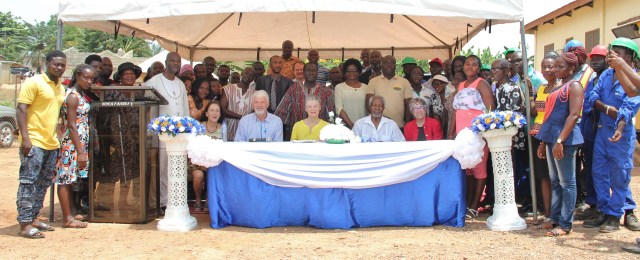
To draw attention to the importance of skills and entrepreneurship development as a success factor in agricultural development, UN Resident Coordinator to Ghana, Ms. Christine Evans-Klock, invited former UN Secretary-General Kofi Annan and Mrs. Nane Annan, and EU Ambassador to Ghana, Mr. William Hanna, to visit one of MoTI’s Rural Technology Facilities (RTF) and Business Advisory Centres (BAC) in Mankessim, in the Central Region. The visit was arranged by Esther Kasalu-Coffin, Country Director for IFAD, and her team. 

Through the RTFs and BACs, MoTI offers apprenticeships and training for master crafts persons in agribusiness and appropriate technology for micro and small-scale enterprises. The Mankessim facility builds low-cost machines that help farmers improve their productivity, for example fufu-pounding machines, and teaches welding, machining, and production skills to students in the process.

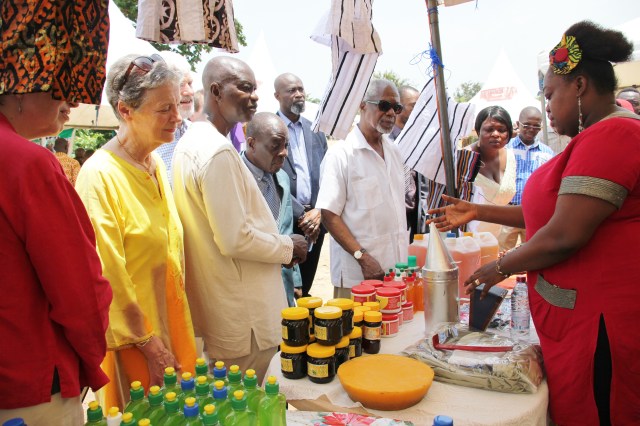
Students, graduates, trainers, and local officials explained how this training is transforming subsistence farming into productive agro-businesses – producing and marketing soaps, honey, leather goods, and food stuffs.

For the Mankessim site visit, former students displayed their products and talked about their business models and future plans. When asked what constrained their business growth, they spoke about difficulties acquiring start-up and operational capital, lack of skilled young people to hire, and specific gaps in the supply chain. One business’s difficulty acquiring packaging could well become a business opportunity for someone else, as value chains in agriculture expand. Ease of getting their products certified, meeting food safety requirements for example, is another important success factor in gaining consumers’ confidence and even entering export markets.

Mr. Annan expressed his appreciating for this kind of training that prepares young women and men for careers as agri-businessmen and agri-businesswomen, and called for scaling up such opportunities so that more young people, and their parents, can see technical and entrepreneurship training as a viable pathway to productive livelihoods. He pointed out that “instead of joining the ranks of unemployed graduates, these young people are creating and growing businesses.”

William Hanna, EU Ambassador to Ghana, complimented the Ministry of Trade and Industry for their commitment to skills and entrepreneurship training in the agriculture sector. Referring to support by the EU and the German government elsewhere in Ghana for vocational training, he said: “This is the kind of partnership that should continue, helping Ghana help itself through training its young people.”

Mfantseman Municipal Coordinating Director, Mr. Joseph Nyankumawu, shared the ambition to invest in youth as the way forward through the Rural Enterprises Programme’s “Enable Youth Programme”, targeting youth employment in the agribusiness sector that ultimately benefits the community.

21 RTFs have been established and 15 additional ones will be set up across Ghana as part of the Rural Enterprise Programme (REP). Supported by IFAD and the African Development Bank, the REP is part of the Government of Ghana’s efforts to reduce poverty, create wealth and improve living conditions in the rural areas. The National Programme Coordinator for REP, Mr. Kwasi Attah-Antwi, explained how the REP is improving livelihoods and incomes of rural poor micro and small entrepreneurs.

The visit followed Ghana’s celebration of International Women’s Day, on 8 March, under the theme “Women in the Changing World of Work: Planet 50:50 by 2030”. Ghana’s Ministry of Gender, Children and Social Protection led Ghana’s celebration by calling for the “economic empowerment of rural women.”

Gender parity is a cornerstone of the 2030 Agenda for Sustainable Development. Sustainable Development Goal 5 specifically calls for gender equality and women’s empowerment, but it is central to the achievement of all 17 Goals for economic, social and environmental development, for achieving food security and promoting sustainable agriculture, and for leaving no one behind.

“To accelerate Ghana’s agricultural transformation we need to first recognise the hard work and the economic contributions of women in the agriculture sector. We need to support their efforts to transform their farms, learn new skills, and grow their businesses,” said Ms. Christine Evans-Klock.

Original article from http://gh.one.un.org/content/unct/ghana/en/home/media-centre/news-and-press-releases/turning-farming-into-business-through-agricultural-skills-and-entrepreneurship-development.html

Posted in Uncategorized | Leave a comment

Ghana’s largest Landfill- Agbogloshie dumpsite

Agbogloshie landfill is the largest Land fill in Ghana. Rubber and plastic products are the most common materials found on the dumpsite.This explains the siting of a rubber and plastic recycling industry on the dumspsite. What this means is that if recycling starts at the source of creation,there would be no or few plastic and rubber materials here. Waste is indeed a dirty gold considering the cost savings on disposal and revenue from recycling.But this is never the case, these young men and women would have to make ends meet by gathering and sorting out the waste on the dumpsite.Though recycling is a livelihood,these young men and women does it in an unprotective and unhygienic way.What this means is that individual households could make money out of their waste just by separating plastics from organic waste.he most prominent waste on the Agbogbloshie dumpsite is E waste. Most common among them are broken television sets,refrigerators,computers, printers ,and automobile parts.
Most of these machines are often broken but are still allowed through our ports into the country.

Broken down vehicles and spare parts are also abandoned here.
The Odawna river which flows through this dumpsite is highly polluted. It has been a stagnant pool of water over a decade due to pollution.This is the root cause of flooding during heavy rainfall in Accra.It is filled with waste and infiltration of chemicals from the burning of electronic waste materials.

Jonathan is 15 years old and a school drop out. He tells me he started this work when he was ten years old.He collects electronic waste and burns it for the copper in them for sale.He does this without a protective mask.
Not only does Jonathan, but this is the life of many other teenagers in Ghana.The fumes consists of sulpher dioxides and other gases which causes lung diseases in humans.

Meanwhile many of the people have found use for the broken refrigerators. They have used them to create shelters where they live with their families.
Yes the stone that the builder rejected has become the corner stone. Similar it portrays how every waste that is created could be turned into a commodity for use. Let us develop the concept of recycling waste from origin.
Remember the three Rs. Reduce ,Reuse and Recycle


Posted in Uncategorized | Leave a comment

Gov’t bans export of rosewood

John-Peter Amewu, the Minister of Lands and Natural Resources, has revealed a ban has been placed on the export of rosewood across the country as part of efforts to bring sanity in the forestry sector. He said the ban also gives a directive to the Forestry Commission to stop the issuance of felling permits for rosewood.

“We will embark on tree nurseries establishment, forest plantation development, development of the bamboo and rattan industry, conservation of biodiversity, protection of water bodies and promotion of eco-tourism,” he said. Mr Amewu said this when he toured the agencies under his ministry on Wednesday and assured them of the ministry’s commitment to solving their challenges. The tour was to enable him to familiarise with the agencies, access their working conditions and share with them the vision of the Government in the next four years. Addressing the staff of the Forestry Commission, Mr Amewu said the high levels of illegal logging chainsaw, mining activities, poor farming practices, annual wildfires, population pressure, the complex nature of Ghana’s land tenure system and weak law enforcement had further worsened the situation. He said the effects of deforestation and forest degradation were beginning to manifest in the extinction of water bodies, loss of important timber species like odum and wawa, loss of wildlife habitat, rise in temperatures and unpredictable rainfall patterns due to climate change. “The forestry sub-sector is one of the key sectors that has a huge potential for driving the economic development of this country, forests are among the world’s most productive land-based ecosystems and are essential to life on earth. “I expect hard-work from every staff of the Commission, punctuality, discipline, corruption-free environment and dedication to service to drive the sector forward,’’ he said. He, therefore, reassured them of his commitment to facilitating the competition of processes for the effective implementation of the Voluntary Partnership Agreement, the passage of the Wildlife Bill, the approval of Timber Procurement Policy and ensuring the availability of funds to undertake the planned activities.

Source: GNA

Posted in Uncategorized | Leave a comment

3 Predictions for Solar Energy in 2017

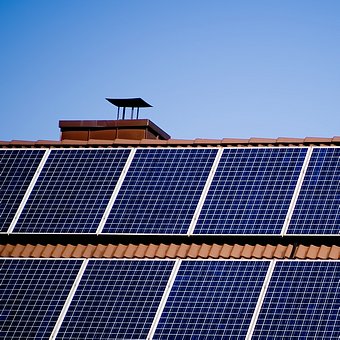
Non-hydropower renewables are estimated to grow to 9% of generation by 2018, according to the Department of Energy. So how big of a part will solar energy play in that total? The solar industry is coming off a record-breaking year, with an estimated 13.9 gigawatts (GW) of installed capacity in 2016, by both big business and private citizens.

193083-stock-photo-sun-environment-energy-energy-industry-electricity-roof

Corporations installed nearly 1,100 MW of capacity at 2,000 different facilities across the country as of October 2016, and more than 1 million homeowners in the U.S. have chosen to install solar panels on their personal properties. Experts agree that solar power is finding its place in the U.S. energy marketplace, but what’s in store for this hot commodity in 2017? Here are some predictions for this year and what it means for solar power.

Cost of Solar Panels Will Continue to Drop

Solar panel technology has never been more affordable than it was last year, and it’s likely to continue to decline in price. The cost of manufacturing solar panels, and thus the cost to consumers, dropped by roughly 30 percent in 2016 and is even expected to become the cheapest form of new electricity for 2017. This will make solar energy a much more compelling and viable investment for all types of households. As the market become more competitive, homeowners can benefit even more by taking advantage of the best deals. By comparing several systems and installers at once with services like 123SolarPower, the homeowner gets the most suitable offer possible.

The decline in cost also applies to the corporate solar market. “Unsubsidized solar is beginning to out-compete coal and natural gas on a larger scale, and notably, new solar projects in emerging markets are costing less to build than wind projects,” according to data from Bloomberg New Energy Finance. In the last decade solar installations have grown by 60 percent per year while the cost has fallen by more than 70 percent, says SEIA.

More Technologically Advanced Solar Panels

As with most new technologies, the look and functionality of solar panels continue to develop. Some of the latest types of panels look nothing like the original crystalline silicon cells strapped to people’s roofs. A new product launch by Sunflare brought us “sticky and flexible” solar panels. This new type of panel can be placed onto walls and roofs and does not use glass substrate like traditional panels. The company also boasts that the panel is more environmentally friendly, because it requires less energy to manufacture.

New panels are not only more functional but are also designed to be aesthetically pleasing. Due to criticism for the way solar panels look on top of homes, their appearance has undergone quite a makeover and will likely continue to change in 2017. For example, several manufactures are producing frameless solar modules to streamline the look, and last year, Tesla’s new roof panels blew innovation out of the water with its shingle designs that are practically indistinguishable from a traditional roof. This expansion of solar panel styles will be an additional benefit for homeowners who are looking for a smart investment that will also increase their property value.

Solar Energy Storage Will Become More Affordable

Experts predict that energy storage will become more affordable in 2017. The accessibility to storage devices is a critical piece of the puzzle for widespread renewable energy adoption. The technology of choice thus far has been battery energy storage, lithium-ion batteries to be exact. These types of batteries saw significant price declines in 2016 and can be used in a variety of applications, all of which will help foster solar power adoption this year. Similarly to the solar panels themselves, pricing is a major element in the position of energy storage.

The good news is, a report from Deutsche Bank projects the cost of lithium-ion batteries could fall by 20 to 30 percent a year, bringing commercial or utility-scale batteries to the point of mass adoption before 2020. The energy storage market is forecast to exceed the 2-gigawatt mark in 2021 and valued at almost $3 billion, reports GTM Research.

Several states have introduced policies and programs to support energy storage technology markets with the intent to promote emerging technologies. In 2010, California signed Bill 2514 into law, which adopted a 1.325 GW procurement target for electricity storage by 2020, with targets increasing every two years from 2016 to 2020. States like Florida, which have high exposure to natural disasters, are also recognizing the role that energy storage can play in disaster planning. 115 emergency shelters in the state have installed PV systems with battery storage, which will most likely continue to spread.

The coming year should prove to be another record-breaking one for solar power with the advancement of technologies, making it more affordable and accessible for both commercial and residential uses. If you’d like to see how much it would cost to install solar panels on your home, visit a solar panel marketplace.

Original article by : Sarak kezer,123 solar power

Posted in Uncategorized | Leave a comment

The True State of Ghana’s Environment

As the President of the Republic of Ghana read his maiden state of the nation’s address, many Ghanaians looked up to major changes in two main sectors ,the financial and the power sector as those were the  main campaign messages that won the presidency. Naturally we are more perturbed about what affects our immediate existence and typical of a Ghanaian campaign slogans” What affects my pockets wins my vote”. Meanwhile a more relevant and a cause to sustaining our power and economic sector is most often ignored and less attended to in the President’s state of the nation’s addresses. Notwithstanding, the success or failure of these sectors is dependent on the state of our environment. The effect of environmental degradation affects health, livelihoods and entrenches the poverty cycle.
extreme-pollution

In my opinion, the use of the Heritage fund for financing free SHS is susceptible to debate. Similarly, environmental degradation activities such as bushfires, deforestation and use of convention fuels lead to climate change which undermines the capacity of resource base for our future generations. It is therefore important that Ghanaians would seek to tasking politicians to provide sound environmental policies and actions in their manifestos as a sign of a political will because where there’s a will there’s a way .Indeed this is one area where most politicians agree on issues and share a common vision.

In this article, I will try to review on the state of environmental problems such as deforestation, mining, water, sanitation. These sub headings are picked from a broad array of environmental problems because they are common and prevalent to every Ghanaian.

Water and Sanitation

Exactly a year ago today, a major water crisis hit the nation particularly in the Nsawam areas and its environs. Worst affected areas in Ghana included Nsawam Adoagyiri, the Nkwanta North District, Kulungungu in the Upper East region, Ho and some coastal sections of the Western Region and Ningo Prampram where it was reported that students bathed with sea water.

Despite efforts to curb the situation through water development projects by the previous government, the situation is far from over. It seems the water crisis is a seasonal problem in our country.

On January 20th 2017, Citifmonline report by Frederick Awuni indicates a water crisis in the Upper East Region which severely affected The Upper East Regional Hospital, leaving patients to their fate in search for water for health care delivery.

The Korle Bu teaching hospital in Accra had its own fair share of the periodic problem. Water shortage hit the Neo natal Intensive Care Unit for over a week. This was a general problem around the Korle Bu and its environs. Similarly in this month, Parts of Sunyani, the Brong-Ahafo Regional capitals have been hit by serious water crisis and this is making things uncomfortable for many of the residents. The worst affected areas are Nkwabeng North and South, Penkwasi, New-Dormaa, SSNIT Residential and Airport Residential Areas .

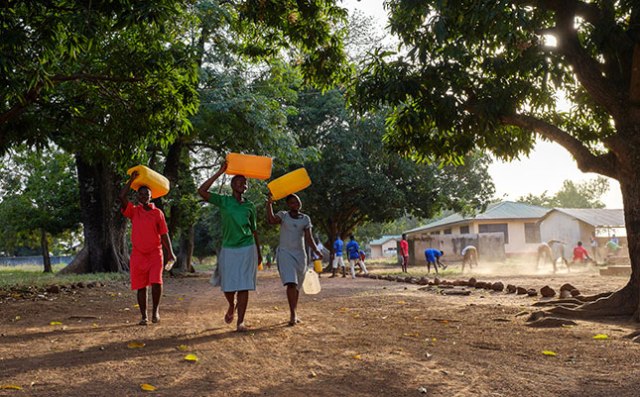
Also in the Volta region, students of Mawuli Senior High School at Ho have been complaining about inadequate supply of food, water and electricity, as the school struggles to meet payment demands from their service providers. According to the students, they have been living without adequate potable water for the past four weeks, and survive on contaminated water from the school’s well and dugouts.  Really these problems are far from over and needs to be curtailed. This is the true state of Ghana’s environment.
students_collecting_water_645

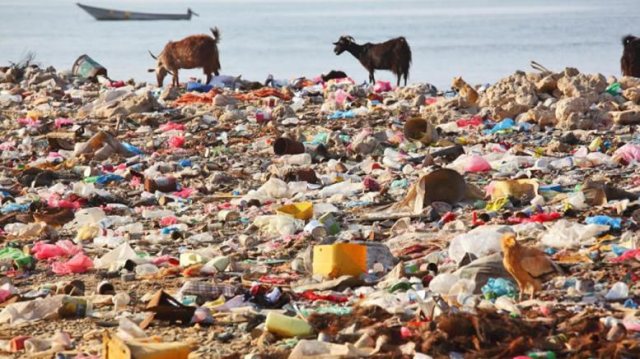
Sanitation and waste management is another area of concern in Ghana particularly the urban areas of Accra and Kumasi. Three out of five Ghanaians practice open defecation. It could take 500 years to eliminate the practice due to the slow pace at which strategies, laws and interventions are being implemented as opined by the Chief Officer at the Water, Sanitation and Hygiene, WASH, Unit of UNICEF Ghana, David Duncan.

The practice of open defecation is a key sanitation challenge because people do not have access to key basic facilities. According to Water aid Ghana, out of the 27 million populations; 22 million people don’t have access to improved sanitation in Ghana. Over 3 million people in Ghana lack access to an improved water source and over 2,100 Ghanaian children under five years old die annually from diarrheal diseases caused by poor water and sanitation. 80% of all diseases in Ghana are caused by unsafe water and poor sanitation. This is the true state of Ghana’s environment.

open-defecation

Our problems have been primarily caused by weak environmental sanitation monitoring and enforcement systems as well as rapid urbanization and population pressure.

Human activities such as mining, illicit disposal of plastic waste into drains, open defecation which must be managed to prevent environmental and health problems. Policies for the establishment of waste water treatment plants in urban districts (One district one plant) should be encouraged.

Deforestation and Mining

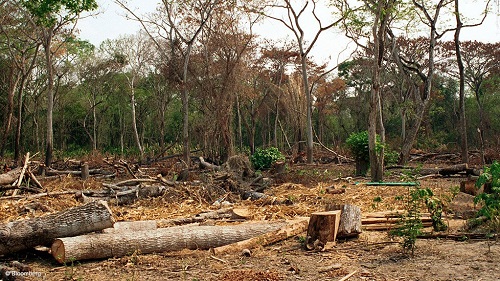
The illegal act of felling trees has become one of the commonest offences in Ghana today. According The Ghana Millennium Development Goals 2015 report, in 1990, Ghana had a total forest area of 9.2 million hectares made up of 1.79 million hectares of close forest and 7.4 million hectares of open forest. It said Ghana lost 2.51 million hectares (or 33.70 per cent) of its forest cover between 1990 and 2010, representing a 2.03 per cent average annual loss over the period. The annual rate of deforestation for 2015 and 2016 is estimated at 1.40 percent whereas efforts of afforestation through tree planting have been very slow.
deforest

The principal drivers of deforestation and forest degradation are (agricultural expansion 50%), wood harvesting (35%), population and development pressures (10%), mining and mineral exploitation (5%) according to the Forestry Commission. Additionally, weak enforcement and inadequate community forestry involvement is a key factor to the woes of the forest degradation.

Strategic forest management policies are relevant in curbing this menace. In 2016, the Forestry Commission launched its Forestry plantation policy strategy for 2016 to 2014. The GFPS advocates the incorporation of food crops during the establishment of forest plantations (Taungya System) and promotion of under-storey planting or alternative livelihood activities (e.g. cultivation of spices and medicinal plants, apiculture, etc.) to provide additional short-term income to improve livelihoods and enhance household incomes. It is projected that a total of 3,039,500 jobs will be created over the 25-year strategy period. Another key development of the Forestry commission to arrest the situation is the REDD+ Strategic policy for 2016. In spite of these efforts a key set back factor to accomplish these policies is inadequate finance for implementation of programs. For instance the total cost of implementing the GFPS over the 25-year period (2016 – 2040) is US$4,064,389,800.Government (GoG) funding is expected to come from direct budget support, levies, pension funds, and contributions from development partners (DPs).
Meanwhile an illegal mining activity in the country which poses a major threat to our environment has not been properly handled. It is for the obvious reasons of alleged involvement of many politicians and chiefs in the act. This is the true state of Ghana’s environment. About 13% of land in Ghana had been deforested as a result of small-scale mining, both legal and otherwise, according to a January 2015 report from the University of New England. Galamsey has caused widespread destruction of farms and farmlands, water bodies, flora and fauna and the unregulated use of dangerous chemicals such as cyanide. The operations of illegal small scale miners have left several acres of land across the country, especially in mining areas desolate and degraded, leaving in their wake trenches and holes which have become death traps. Water bodies close by that serve as a source of drinking water used for other domestic use for communities downstream suffer massively from pollution. For instance, the Birim and Densu rivers in the Eastern region of Ghana which serve as a source of drinking water for several communities have been severely affected by small-scale mining activities.

Exif_JPEG_420

In the foregoing paragraphs, the environmental challenges that confront us as a country and extension, the world has been highlighted. We at Grenotek energy and environmental services believe that one cannot expect perfection from an imperfect process where imperfect people are involved and that complaining is an easy thing to do. In our candid opinion, we need to go beyond identifying problems of the environment and offer pragmatic solutions. We believe that advocacy to bringing policies that can proactively solve the myriads of environmental problems identified must be a major step. And in this we are prepared to work with government to bring this to reality. It is our fervent hope that all stakeholders of making the environment safe will come on board to make the call of the president H.E. Akuffo-Addo on making the environment safe a reality for the benefit of us and generations to come.

Grenotek Team  February 21, 2017
Posted in Uncategorized | Leave a comment

Deforestation helping animal-human disease transmission

Deforestation is creating “disease reservoirs” in west and central Africa that resulted in the deadly Ebola outbreak and could cause other possible epidemics, a New Zealand veterinary scientist said Monday.

Logging activities leading to deforestation

In order to avoid future outbreaks of Ebola and other viruses, it was necessary to understand the processes that lead to infection emergence as well as produce intelligence that aided monitoring and surveillance, Massey University Associate Professor David Hayman said.

“The destruction of tropical forests in many regions of the world is causing human populations and wild animals to come into close proximity to one another,” Hayman, who contributed to an international study, said in a statement.

“This has been going on for decades, but the links to Ebola virus were not well understood. Our findings suggest that there is an increased risk of Ebola virus disease where there are hotspots of forest fragmentation as animals are brought into contact with people,” said Hayman.

“Effectively through our own encroachment into their space, we are bringing disease reservoirs – the habitat in which the carrier normally lives, grows, and multiplies – closer to ourselves.”

The researchers conducted an analysis using land coverage data and Ebola virus outbreak records to establish this association in west and central Africa and demonstrated that the spillover of Ebola virus from wildlife to people occurred mostly in hotspots of forest fragmentation.

“Decision-makers in Africa and the wider world could be taking vital steps to change their behaviors to avoid further forest fragmentation and help reduce the risk of more outbreaks, as well as improve surveillance in those regions already fragmented, because fragmenting the habitats of wild animals could be contributing to human disease,” he said.

Hayman was previously involved in research that identified evidence of Ebola virus in west African bats. Enditem

Source: Xinhua/NewsGhana.com.gh

Posted in Uncategorized | Leave a comment