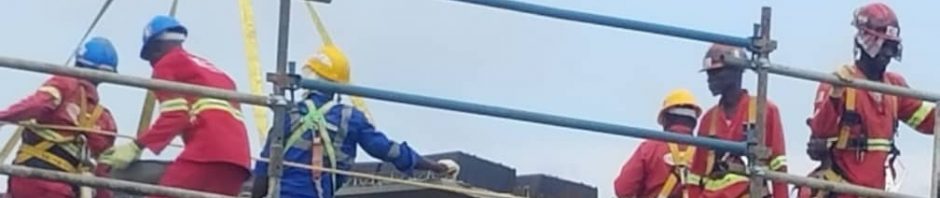
Are construction companies in Ghana doing “reasonable” in avoiding fall injuries on construction sites?


This is in no doubt the most high risk hazards and fatality caused in most construction sites in Ghana. From working on external scaffolding undertaking activities of plastering,painting etc. to working on unsecured and unprotected form works within the building,there have been much created safety awareness in recent times by safety practitioners with regards to these works. However, the core of the crust of whether the fall prevention and protection installations engineered are adequate is the bone of contention.


My visits  and experience on construction sites that I have engineered fall protection for puts me to agree with the assertion that many fall protection and prevention installations are inadequate to support the ultimate function of these installations.
While structural engineers are particularly concerned about the physics of the structure that is being constructed,there is little or no regard for consideration of the physics of the working scaffolding and formwork that will be useful in the undertaking of the works. This is where the competence and advice of the health and safety engineer should be deployed on the project advising tentative fall protection measures that are rigid and adequate to function.


For example, the Ghana building codes do not have consideration of the engineering measures for installation of fall protection and prevention devices when constructing a building. This leaves many health and safety practitioners to fall on general and international standards of health and safety bodies such as the OSHA and the UK HSE.
Due to the fact that these international standards are not legally binding to Ghanaian construction companies,it often takes a hurdle for health and safety practitioners to convince project managers in installations of these reasonable fall protection and prevention devices for use for the safety of their workers on the construction sites. Many international companies are very much aware of these provisions to ensure maximum protection to workers as these are enshrined in EU laws. Despite this, some of these companies may decline to practice this on observation of the lapses and inadequacies in the provisions and enforcement of the general health and safety laws particularly guiding construction industries in Ghana.
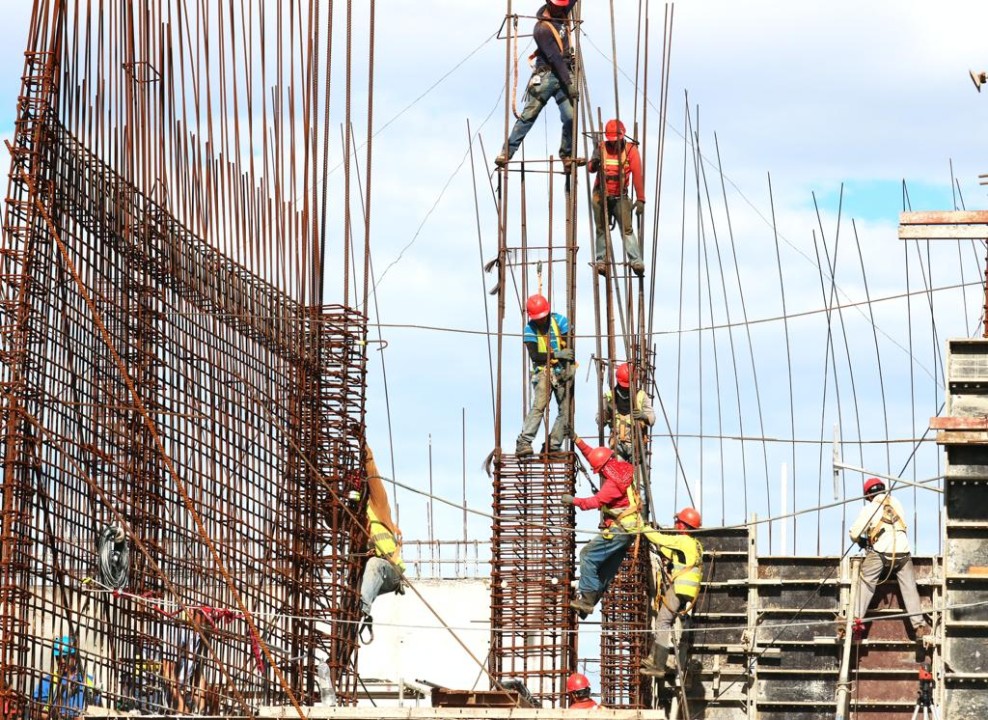
Photo credit :Josue Isai Ramos Figueroa on Unsplash


It is commendable that some major international companies in Ghana that I have worked for take a more serious approach and provide adequate resources in budget and promote safety culture for the provisions of maximum fall protection and prevention according to international health and safety laws and standards.
My gist for improvement according to the Ghanaian law:
Many local construction workers are not aware of this general provision of responsibility of their companies on ensuring that they are protected from fall while working on their projects. In other cases, they are duly aware but lack the motivation to demand for their rights due to the intimidation of losing their job.
Should this not be a culture of all Ghanaian workers to grow to know their health and safety rights? Should this not be seriously advocated as a curriculum for schools right from the primary school?


According to the Ghana labour law,the employer is responsible for putting in adequate and reasonable measures to prevent the injury or death of the employee while working on their site.
The Ghana Labour Act, 2003 (Act 651) governs the labor laws in Ghana. The Act provides provisions aimed at protecting employees from injury and promoting occupational health and safety. Here are some key points concerning the protection of employees from injury under the Ghana Labour Act:
General Duty Clause: The Act imposes a general duty on employers to ensure the health, safety, and welfare of all employees at the workplace as far as is reasonably practicable.


Safety Provisions: Employers are required to provide and maintain a safe working environment, free from hazards that may cause injury or harm to employees. This includes ensuring the safety of machinery, equipment, and tools used in the workplace.


Risk Assessment: Employers are obligated to conduct regular risk assessments to identify potential hazards in the workplace and take appropriate measures to mitigate or eliminate risks to the health and safety of employees.


Training and Information: Employers are required to provide employees with necessary information, instruction, training, and supervision to ensure their health and safety at work. This includes educating employees on safe work practices, emergency procedures, and the proper use of personal protective equipment (PPE).

Photo showing Work at height trainings conducted by Grenotek Engineering Services.


Accident Reporting and Investigation: The Act mandates employers to report workplace accidents, injuries, or incidents to the appropriate authorities and conduct thorough investigations to determine the root causes and prevent recurrence.
Employee Rights: Employees have the right to refuse work that they reasonably believe to be unsafe or poses a risk to their health and safety without fear of victimization or discrimination.


Health Surveillance: Employers may be required to provide health surveillance for employees exposed to occupational hazards to monitor their health status and detect any adverse effects early.
Workers working at height are required to be healthy to avoid any fall occurrence due to their illness. Appropriate health and safety supervision will conduct specific health surveillance such as BP checks and alcohol test for all workers working at height.


Worker’s Compensation: The Act provides for the payment of compensation to employees who suffer work-related injuries, illnesses, or disabilities. Employers are required to provide adequate compensation, medical treatment, and rehabilitation services to affected employees. Employers are responsible to ensure good life of workers after injury of fall hazards.


It’s essential for employers and employees in Ghana to be familiar with the provisions of the Ghana Labour Act, 2003, and adhere to its requirements to ensure a safe and healthy working environment for all.
It is advisable that the Occupational Health, Safety and Environment bill is passed into law specifically to control HSE issues in this sector.
Posted in Uncategorized | Tagged , , , , | Leave a comment

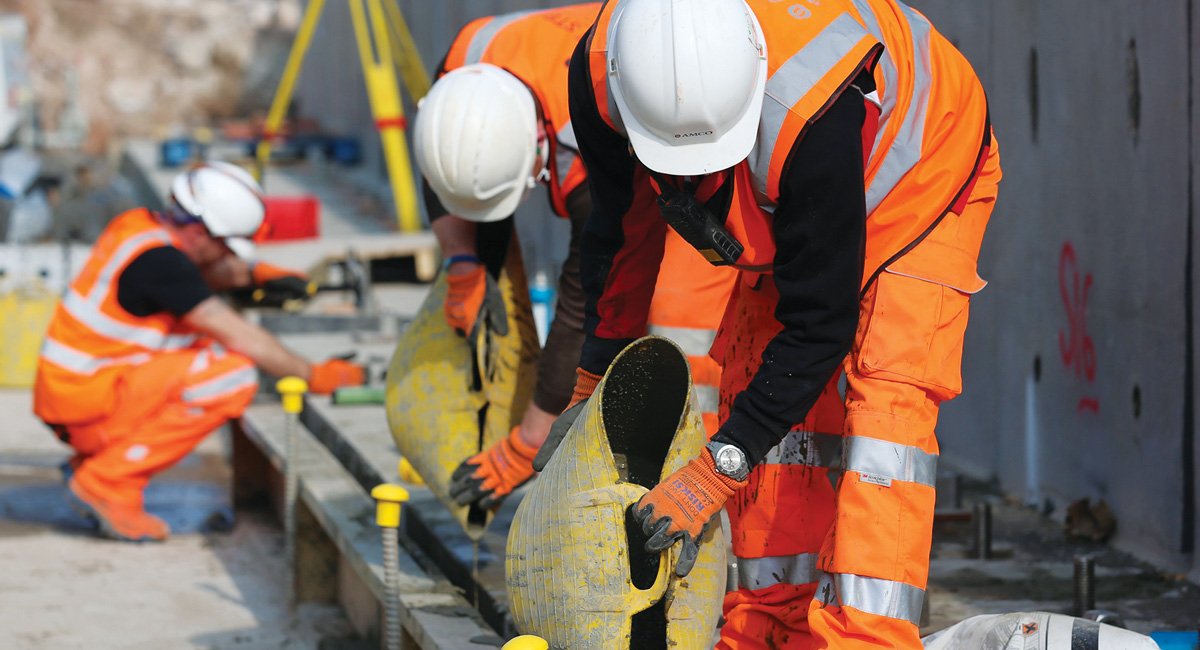
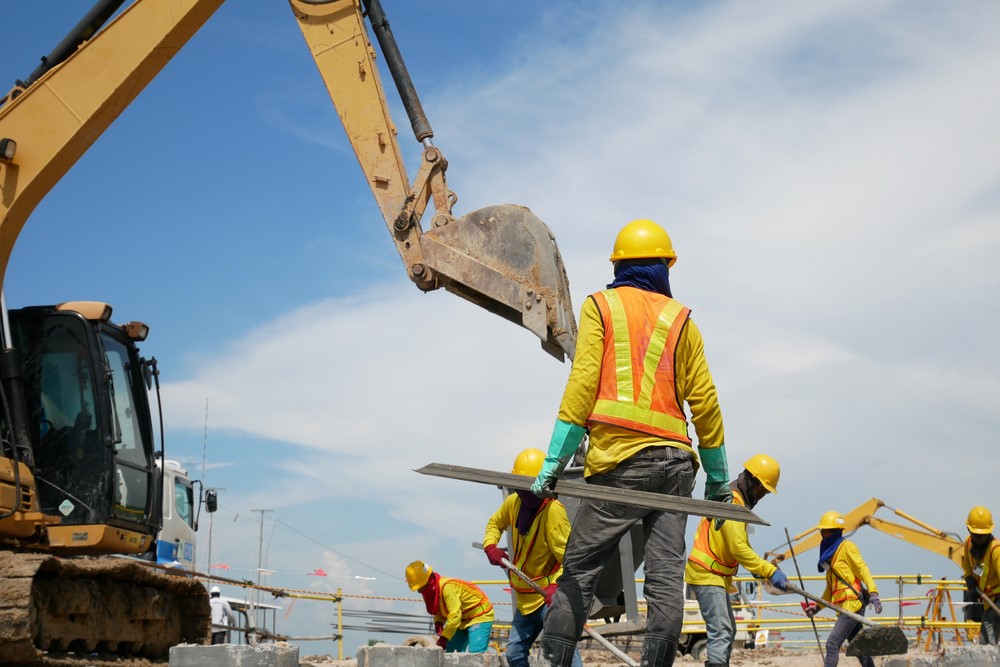
Fundamental “watch outs” to avoid construction site accidents

Working on the construction site always requires continuous attention to movements of people and machines. As much as the timelines and project quality is relevant,the safety of the workers undertaking the project should never be compromised. Changes happen very quickly on construction sites. However whatever the changes, it is important that a careful consideration and discussion of the impact of these changes on the safety of the workers and the quality and timeline of the project to be affected be communicated to the workers.
This principle can improve safety, efficiency and overall morale on worksites.In this piece , I want to highlight two fundamental controls every construction site should consider the following key controls to ensure safety of it’s workers.


Ergonomics and balance:
Ergonomics involves designing the work environment and tasks to fit the capabilities and limitations of the human body.
Proper ergonomic design reduces the risk of musculoskeletal injuries, such as back strain or repetitive strain injuries, which can occur from awkward postures or overexertion during construction tasks.


Construction workers are often working in tight spaces or maneuvering themselves into irregular positions. Knowing how to properly use and move their bodies is one of the best ways to prevent injury. Splitting up workers based on their functions allows stretch and flex programs to get even more specific in addressing body movements and usage.


By ensuring that workspaces are ergonomically optimized,workers can perform their duties  safely, avoiding the chances of accidents and injuries.
Maintaining proper balance reduces the risk of slips, trips, and falls, which are common causes of accidents in construction sites.


Workers can improve their balance through exercises and training programs that focus on strengthening core muscles, and enhancing spatial awareness.
By incorporating principles of ergonomics, practicing hand-eye coordination techniques, and enhancing balance, midwives can minimize the risk of accidents and injuries in the workplace. Creating a safe and supportive environment not only protects construction workers  but also promotes visitor safety on sites.

Photo credit : Industrial safety and hygiene news


Balance refers to the ability to maintain stability and equilibrium while standing, walking, or performing tasks. On site, good balance is crucial for navigating potentially hazardous environments, such as working on scaffolds and elevated working platforms.


Sense Coordination:
Sense coordination is the ability to synchronize sensual input with  movements to perform tasks accurately and efficiently and to avoid danger.This is critically the ability to be mindful and paying attention to the environment of the workers. A construction worker should pay enormous attention to all his key senses of sight,hearing and smell.
In construction, precise hand-eye coordination is essential for performing procedures such as dressing of columns, casting of beams etc.Accurate hand-eye coordination helps construction workers handle tools safely, minimizing the risk of errors or accidents during construction activities.

Photo credit : SHEQ Management

Due to loud background noises of different working machines and people, it is important that every worker observed critically all ongoing activities at intervals during working hours. This keeps the worker in sight of any danger.
Regular practice and training can improve sensual coordination, ensuring that workers can perform tasks confidently and effectively in fast-paced and demanding situations whilst being aware of their environment.

Posted in Uncategorized | Tagged , , , , | Leave a comment

Safe Fueling and Gasoline Handling Guidelines

Gas and Petrol explosions in the country have been caused by lack of safe handling and safety precautions by regulators,fire station managers and individual users of the petrol and gas stations. Petrol gives off highly flammable vapour even at very low temperatures. Because of the flammability of petrol vapours, service stations carry a risk of fire or explosion not common to other types of retail outlets. Ignition of petrol vapours can happen if vapour comes into contact with a heat source capable of igniting it. An ignition spark might come from an electrical switch, a cigarette or food vendors using naked fire for heating.

In order to prevent the risk of ignition, the service station must be zoned and protected from activities as such on its boundaries and within on the basis of the probability of an explosive vapour mixture forming

Most of these explosions have been known to occur during the delivery and supply form tankers to the fuel stations. Are there local regulations controlling supply and delivery of fuel to these stations. My observations are that these deliveries are not properly monitored by Safety technicians but the fuel station workers and tanker drivers.

Another aspect of neglect is the environmental concern during delivery. If released into the environment, petrol and diesel pollute the soil and water supplies. Whenever petrol escapes from an underground storage tank or pipelines, it can travel significant distances. Petrol vapours can find their way into basements of buildings and public drains with serious consequences should the vapours come into contact with an ignition source. The level of risk associated with fuel leakage means early detection of leaks is essential. Immediate corrective action must be taken when leaks are detected. Therefore there is need for consistent and accurate monitoring of fuel delivered, stored and dispensed at any service station in order to detect leaks from each underground tank and connected pipeline.

A major cause of these explosions is neglect of basic safety rules such as

  • Turn off your vehicle engine. Put your vehicle in park and/or set the emergency brake. Disable or turn off any auxiliary sources of ignition such as a camper or trailer heater, cooking units, or pilot lights.
  • Do not smoke, light matches or lighters while refueling at the pump or when using gasoline anywhere else.
  • Use only the refueling latch provided on the gasoline dispenser nozzle. Never jam the refueling latch on the nozzle open.
  • Do not re-enter your vehicle during refueling. If you cannot avoid re-entering your vehicle, discharge any static build-up BEFORE reaching for the nozzle by touching something metal with a bare hand — such as the vehicle door — away from the nozzle.)
  • In the unlikely event a static-caused fire occurs when refueling, leave the nozzle in the fill pipe and back away from the vehicle. Notify the station attendant immediately.


Posted in Uncategorized | Leave a comment

Waste segregation is necessary tool for waste management

Mr Mohammed Adjei Sowah, the Accra Metropolitan Chief Executive, has called for the intensification of public education in waste segregation to help protect the environment.

He said continuous awareness creation of proper waste segregation, especially among children, is a positive way to ensure sustainable adherence to environmental sanitation.

Mr Sowah said this during a presentation of 268 waste bins to basic schools in the Osu Klottey Korle District.

The effort was aimed at pushing an agenda for proper sanitation among school children by practicing waste segregation.

He said the effort was in collaboration with Jekora Ventures Limited, a waste service provider in the Klottey Korle District, to help reduce the quantum of wastes that go to the landfills and also make waste a resource.

Mr Sowah said the environmental protection vision required a change in action plans, city cleansing approach, enforcement mechanisms and attitudinal mindset change.

He said the city of Accra must look clean and attractive at all times to give residents and visitors a sense of pride, adding that “beautiful cities attract talents, investments and economic activities and increased the cities’ unique contributions to national development.”

“Some of the pressing challenges faced by the Accra Metropolitan Assembly (AMA) in waste management are inadequate final disposal options, illegal dumpsites and most crucially the attitude of the people which needs change,” he said.

The MCE expressed regret that out of daily generation of 2,385 tonnes of waste in the metropolis only 1,665 tonnes was collected through door-to-door and communal systems.

He said children are the future leaders and any major social behaviour modifications should start with them as they are the requisite ambassadors of the effort.

He called on the teachers to shape the behaviours of the future generation who have the major role to play in the effort at making the metropolis clean.

Mr Immanuel Nortey-Tokoli, the Managing Director of Jekora Ventures, said the company would continue to do its best to ensure a clean environment and reminded the children on the need to properly dispose of their waste.

Miss Cindy Badoe, the Deputy Director of Bailty Environment of the Environmental Protection Agency, said plans are far advanced for more collaboration with the AMA.

Miss Georgina Rabbles, the Circuit Supervisor of the Osu Doku Ghana Education Service, who received the items, promised that they would abide by the rules surrounding the process of segregation

Posted in Uncategorized | Leave a comment

Government’s Blueprint to Fight Against Galamsey Ready

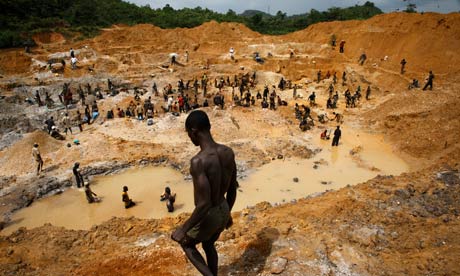
The government’s blueprint for a sustained fight against illegal mining, popularly known as galamsey, and environmental protection is ready but needs President Nana Addo Dankwa Akufo-Addo’s endorsement before it can be rolled out.

The Minister of Environment, Science, Technology and Innovation, Prof. Kwabena Frimpong-Boateng, made this known when members of the Steering Committee of the Media Coalition Against Galamsey paid a courtesy call on him.

Sketchy details of the plan include using the Marine Police to patrol the country’s major rivers, reviving district mining committees and zoning mining areas where small-scale miners will be allowed to mine under strict supervision.

Additionally, the University of Mines and Technology (UMaT) will be tasked to train about 2,000 people to ensure that good environmental practices are observed in the concessions to be given out to small-scale miners.

The plan

Prof. Frimpong-Boateng, however, declined to disclose the role the security services would play to curtail what had become the country’s number one environmental canker.

The plan also includes the reclamation of hundreds of hectares of land destroyed by illegal miners.

“I have met some of the small-scale miners and they have agreed to fill the trenches,” the minister said.

He said apart from the involvement of traditional rulers, district chief executives (DCEs) and members of Parliament (MPs), the plan would revolve around the involvement of indigenes of mining communities, especially in the reclamation exercise.

The NPP, in its 2016 manifesto, stated that it would annually target 30,000 hectares of degraded areas within and outside forest reserves for reforestation and plantation development, using fast-growing indigenous and exotic species.

Protecting water bodies

With growing public concern over the chemicals used by the miners, Prof. Frimpong-Boateng said the Crops Research Institute of the Council for Scientific and Industrial Research (CSIR) would be tasked to test soils in mining communities to prevent the growing of poisonous foods.

Ghana’s mining laws require that mining companies treat water used for mining activities before it is discharged into the environment, but in the case of illegal miners, water bodies are the centre of their operations, a situation that makes communities living along water bodies vulnerable to the risks of dangerous chemicals.

Communities along the Birim, Pra, Offin and other rivers depend heavily on the water bodies for both domestic and agricultural purposes, a situation that makes them vulnerable.

“In years to come, our fight will not be about electricity. We can solve the power problem with even small hydro dams, but water supply is limited and getting worse,” the minister said.

He commended the media for their fight against galamsey, which he said was yielding results, with the turbidity of some of the water bodies improving.

Alternative livelihood

According to the Ministry of Lands and Natural Resources, statistics from the government’s five-year Multilateral Mining Integrated Project (MMIP), an alternative livelihood programme for illegal miners, indicate that the project will cost $10 million.

Prof. Frimpong-Boateng stated that some mining companies, including Newmont Ghana, had expressed interest in supporting the alternative livelihood programmes.

When the Convener of the coalition, Mr Ken Ashigbey, drew the minister’s attention to seeming contradictions between the ministers of Defence and Lands and Natural Resources on the military’s protection of Russian and Ukrainian miners at a small-scale site in the Ashanti Region, the Environment Minister said the government’s front on the fight against galamsey was not divided.

“The front is tight and not broken. The plans are solid and the President is fully behind us. He has always insisted that we have the mandate of the people to deal with this issue,” he stressed.

Media interest

Earlier, Mr Ashigbey had said that the media were interested in the plan to fight galamsey and that it was important that the fight was sustained.

He expressed satisfaction with the news that there had been some improvement in the turbidity of some water bodies in mining communities but said the danger of pollution was still around, since some of the galamseyers were said to be working on the Bia and the Pra rivers in the night.

He proposed that the Ministry of Health be involved to do an analysis of disease and death patterns in mining communities, while the Ministry of Education could find out what was happening to school enrolment and attendance figures.

The Chairperson of the National Commission on Civic Education (NCCE), Ms Josephine Nkrumah, made a case for the commission to be included in the blueprint to lead the education campaign, as it was on the ground and in touch with the people in all the mining communities.

Source: Daily Graphic
Posted in Uncategorized | Leave a comment

Collective efforts needed to protect our natural resources-Minister

By Beatrice Asamani-Savage, GNA

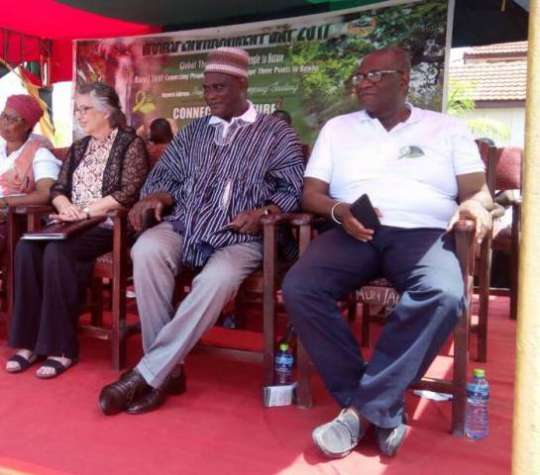
Kyebi (E/R), June 5, GNA – This year’s World Environment Day has been observed with a call on all stakeholders to collectively protect the lands, forest and water bodies from further destruction.

The Minister of Science, Environment, Technology and Innovation, Professor Kwabena Frimpong- Boateng , who delivered the keynote address at a durbar in Kyebi in the East Akim Municipality in the Eastern Region, said the fight against negative environmental practices required collaboration of all Ghanaians towards an integrated approach to natural resource management.

He said it was time for the nation to act collectively to curb the environmental degradation and water pollution so that posterity would not blame the current generation for negligence.

He said humans would not survive without the environment and, therefore, encouraged the citizenry to treasure nature by protecting and preserving it.

The World Environment Day is marked June 5 every year across the globe by member countries of the United Nations, to create awareness on various environmental issues ranging from marine pollution, climate change, to sustainable consumption, protection of wildlife and the management of hazardous waste, among other environmental challenges that are threatening human existence.

The global theme for this year’s celebration is: “Connecting People to Nature in the City and on the Land, From the Poles to the Equator.”

Ghana adopted as its national theme:” Connecting People to Nature from Cape Three Point to Bawku,” with the slogan “Connect to Nature.”

Prof Frimpong-Boateng noted that Kyebi was the home of political heavyweights in the country and mighty personalities like Dr J.B Danquah, Ofori Atta and the current President Nana Addo Dankwa Akufo-Addo, and, therefore, urged the inhabitants not to allow migrants to destroy the Atewa Forest Reserve, which abound in biodiversity with rear species like primates, plants, butterflies, flora and fauna.

In addition, the forest reserve host major rivers like Birim, Densu, Ayensu and others that served as sources of water for treatment to more than five million people in the area.

The Minister charged the people to ensure that the water bodies had been restored to their original state.

“I want to see Birim, Densu and Ayensu like how they use to be clean and pure in the 1970s where you could see the bottom of the river with rocks while mud fish swim in them, “he said.

He called for the restoration of the degraded lands and forest through massive afforestation programme.

“The time has come for us to appreciate nature. As a country, we have always demonstrated strong and constant connection with nature in our socio-cultural activities.

“But through our activities, we have exhibited gross disrespect for nature, “he noted.

The Minister said the absence of these essential ingredients of life such as water, forest, mountain, flora and fauna, mankind ceased to exist as humans, adding: “When the last plant dies, the last man will die.”

Prof Frimpong-Boateng said the natural resources had high potential for ecotourism promotion, which would create employment and generate revenue for the nation.

Mr Eric Kwakye Darfour, the Regional Minister, called for a collective sense of responsibility and efforts to redeem the degraded natural resources and protect the undestroyed ones for sustainable development.

He expressed appreciation to the planning committee for selecting Kyebi for the national celebration and assured that the Regional Co-ordinating Council would work and collaborate with all relevant stakeholders in reversing the negative trend and restore sanity in the Region.

Osagyefo Amoatia Ofori-Panin, Okyehene, who chaired the function, had dedicated many years of his life advocating the preservation of the environment.

The event attracted people from all walks of life including traditional rulers, assembly members, representatives of civil society organisations interested in environmental sustainability and youth groups.

As part of efforts to preserve the environment, the Lands and Natural Resources Ministry, has developed a five-year multi plan to deal with illegal mining.

The project dubbed: “Atewa Till Eternity Video,” campaign spearheaded by Rocha Ghana an NGO in environment protection and supported by the Royal Netherlands Embassy in Accra, featured 10 artistes.

The musicians performed at the function to thrill and educate the gathering and also presented copies of the CDs to the Okyenhene, who commended them for a job well done.

The ambassadors include Osei Tufour (OBOUR), President of Musicians Union of Ghana, Sherifa Gunu, Mzvee, Kojo Rana, X,Heleen and Kuami Eugene.

GNA

Posted in Uncategorized | Leave a comment

How is EPA assisting Akuffo Addo’s projects?

Beatrice Asamani Savage, GNA,

Kyebi (E/R), June 6, GNA – The Environmental Protection Agency (EPA) is developing procedures and structures to support Government’s priority initiatives, such as the Planting for Food and Jobs; and the One District One Factory, to embrace sustainable environmental practices.

Mr John A. Pwamang, the Acting Executive Director of the Agency, who announced this at a durbar to mark the World Environment Day, explained: “Experience has shown that such interventions could cause adverse impacts on the environment if not well planned and implemented.

“The Agency is, therefore, developing simple tools under the Environmental Impact Assessment Process to be used to conduct rapid assessments of projects under these initiatives to ensure that they are permitted promptly and they are implemented in environmentally sustainable manner.”

Under the national theme: “ Connecting People to Nature from Cape Three Points to Bawku”, the durbar was held to bring the point home at Kyebi, in the Eastern Region, which is host to the Atewa Forest Reserve.

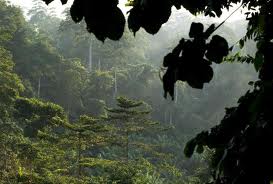
Atewa, which is ranked first as Ghana’s upland evergreen forest, and the third in the West African Sub-region, boasts of many unique and rare species of biodiversity, which could be protected for also ecotourism forex earnings.

Important water bodies such as the Birim, Ayensu and Densu, which benefits more than five million people, also derive their sources from this national treasure.

Atewa is, however, under the threat of degradation and landslides by the activities of illegal miners because of its large deposits of gold and bauxite. Illegal logging by chain saw operators, uncontrolled hunting and encroachment for farmlands also threaten its sanctity.

To resolve some of the environmental problems, Mr Pwamang said the EPA was going through a procurement process to automate all the permitting processes to hasten them and ensure transparency.

Additionally, the EPA Boss said his outfit had upped the monitoring of small scale mining projects throughout the country to ensure that operators respected the terms of their permits.

“The issuance of environmental permits for some categories of projects has already been decentralised to the regional level,” he stated.

To create alternative jobs for the youth, without compromising the environment, he said the EPA was working on the operationalisation of the Hazardous and Electronic Waste Control and Management Act, 2016 – Act 917.

The beneficiaries, Mr Pwamang explained, would be collecting waste from electrical and electronic equipment to feed modern state-of the art recycling facilities.

On dealing with the menace of plastic waste, he said the EPA was collaborating with the Ghana Standards Authority and the other stakeholders towards the use of biodegradable plastics.

The regulatory body is also seeking partnerships with development agencies to promote renewable energy, such as solar and biogas and to reclaim degraded land and water bodies.

The rate of Ghana’s deforestation stands at about 22, 00 hectares annually, Mr Pwamang pointed out, saying, “Very little closed forest remains outside the forest reserves. It is estimated that less than one per cent forest cover is found outside the forest reserves.”

To salvage the dire situation, 16 per cent of Ghana’s land area has been set aside to conserve the representative samples of natural ecosystems in the form of forest reserves, national parks and wildlife reserves.

Mr Emmanuel Kyeremanteng Agyarko, the Chairman of the Parliamentary Select Committee responsible for the Environment, said if Ghanaians did not stop the wanton destruction of their forest resources, they would send into extinction those medicinal plants that could cure the cancers and other diseases that would eventually emerge from their negative actions.

“As a pharmacist, I can attest that at least one out of every 10 medicines prescribed in the hospital is plant-based; while our herbal medicines and especially the bitters that we relish as men, are from the forests. We need to wise up and save ourselves”.

Madam Christine Evans-Klocke, the United Nations Coordinator in Ghana, urged the local and national governments to merge their socioeconomic and environmental actions to towards the achievements of the Sustainable Development Goals that ensure a safe and healthy environment.

These include ensuring the availability and sustainable management of water and sanitation for all by 2030; ensuring affordable and clean energy; and promoting sustainable cities and communities.

Osagyefo Amoatia Ofori Panin, the Okyenhene, who chaired the ceremony, stated that the environment had no boundaries in terms of its impacts on the health of human beings, animals and plants that habit.

Therefore, everybody must be involved in the actions to ensure a clean and healthy one, he advised.

For more than 20 years, we cannot find the cure for HIV/AIDS, how do we know if we have not sent into extinction those plants that could have cured HIV/AIDS and Ebola?”

Posted in Uncategorized | Leave a comment

Government to establish Renewable Energy Authority

The government wants to increase energy produced from renewable sources from the current one per cent to 10 per cent by 2030.

In order to achieve this target, the government has developed some policy guidelines that it will use to raise power produced from solar, wind and other renewable energy sources to 10 per cent of national production.

In addition, the ministry will establish a Renewable Energy Authority to oversee, execute and manage the country’s renewable energy resources, the Minister of Energy, Mr Boakye Agyarko, said in Accra.

He was speaking at the luncheon meeting of the American Chamber of Commerce.

“The specific policy actions of the Ministry will be to periodically review the Renewable Energy Act to reflect changing trends in the industry,” he said.

He added that it will establish a center for the training of technicians in renewable energy installations, operation and maintenance.

To help raise consumption of renewable energy, the minister said his outfit will also promote distributed solar power for government and public buildings through net metering. It will also encourage power consumers to invest in renewable energy to meet a portion of their energy requirements, he explained.

Additionally, Mr Agyarko said the government would also accelerate the development of mini-grid solutions in off-grid and island communities for lighting, irrigation and other economic activities.

Compact II programme

On the Ghana Compact II, Mr Agyarko said the government was still committed to the programme, particularly with regards to the private sector participation in the Electricity Company of Ghana (ECG).

“Despite the challenges that arose as a result of differences between stakeholders, particularly between labour, ECG and the Millennium Development Authority (MiDA), I wish to note that we are making good progress as the stakeholders make efforts to address their differences,” Mr Agyarko said.

He mentioned last month’s bidders’ conference as a fine opportunity for the shortlisted companies to submit detailed proposals for the concession.

“The stakeholder deliberations will continue to ensure the smooth implementation of the Programme,” he said.

Investment opportunities

Mr Agyarko outlined several untapped investment opportunities aimed at improving the energy sector.

“There are indeed many and one is constrained only by one’s imagination. It is our responsibility to produce the needed environment for more investments to take off,” he added.

He stated that in the power sub-sector the investment opportunities exist in the transmission and distribution of infrastructure and energy sector bonds.

He included that renewable energy technologies for power generation, waste management among others could be attractive to investors.

He said, “We intend tackle renewable energy in a big way and we urge all investors to shift attention to this sector”

Also he added that the sale and supply of renewable energy to private and public buildings are all opportunities where the ministry with the help of investors would migrate all private and public companies and institutions from the National grid as far as possible to solar which produces its own power.

Finally he identified the production and assembly of renewable energy components and the solar and wind irrigation deployment as opportunities that investors could take advantage of. — GB

Posted in Uncategorized | Leave a comment

Global warming isn’t about Trump; it’s all about ourselves

Are fossil fuels the new slavery, the new Jim Crow?

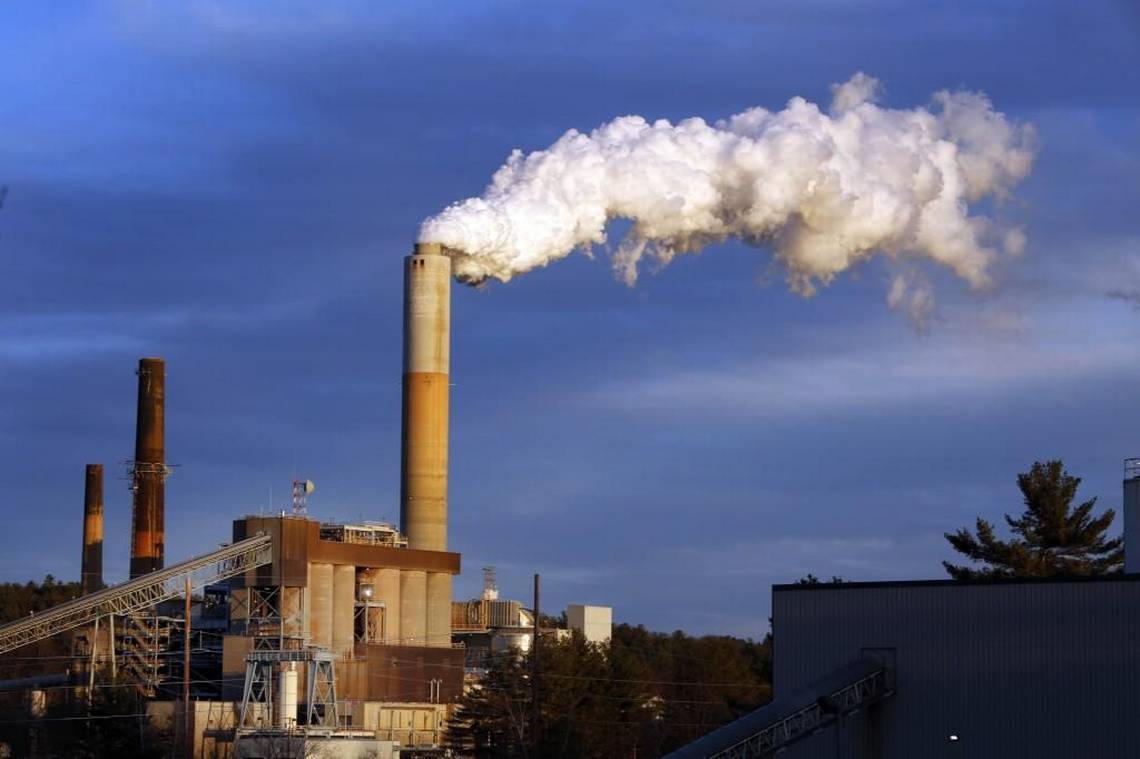
If you believe the dire predictions of world leaders and many top scientists, it’s hard not to conclude that the burning coal, oil and gas might even be worse. It is not just immoral; it poses an existential threat to life as we know it.

While you may be angry that President Donald Trump pulled us out of the Paris climate accord, you are probably horrified that the agreement is a symbolic gesture that will only slow the rise in greenhouse gas emissions. The inconvenient truth is that the best we could do collectively is not nearly enough to thwart what many see as a looming catastrophe.

What are people who know and care to do?

Our history offers some guidance. Slavery and Jim Crow were not just brutal practices – they were all-encompassing systems that implicated every non-black citizen. Even if one recognized them as evil, it was almost impossible to avoid complicity. That was the price society exacted of all born into it.

The late journalist and scholar Roger Wilkins addressed this moral prison in his insightful book, “Jefferson’s Pillow: The Founding Fathers and the Dilemma of Black Patriotism.” As an African-American, he was angry at those who declared that all men are created equal while enslaving his own ancestors.

Without forgiving them, Wilkins recognized that George Washington, Thomas Jefferson and James Madison would have had to turn their backs on all they knew and given up all they had to live up to those ideals. They “might have freed all their slaves in their lifetimes and thereby lost enough status, wealth, and leisure to be rendered anonymous,” he wrote. “But financially – and probably psychically as well – they were incapable of such sacrifices. … they had been shaped, like all of us, by inherited culture.”

A movement has been building in recent years to no longer honor those who participated in slavery and Jim Crow by razing their statues and erasing their names from boulevards and buildings. I have repeatedly called for the removal of the Confederate monument that towers before our state legislature in Raleigh.

But that effort points the finger outward; it doesn’t suggest how we might use that moral argument to examine our own lives in areas outside of race.

Fossil fuels shape our world just as surely as Jim Crow and other forms of systemic racism once defined America. Almost all we do, our ease and comfort, depends on them. They are both the immovable object and the irresistible force.

And yet, many believe they are leading toward unimaginable horrors. Wilkins anticipated this point when he wrote: “Privilege is addictive. The most natural thing in the world is for each human being to view the privilege he enjoys as, well, the most natural thing in the world.”

Our privilege is not realized through slavery or immoral laws that deny the humanity of others but through our cars, planes, air conditioners and factories mostly powered by fossil fuels.

It is clear that, at least in the short-term, our leaders are not going to take the action climate activists deem necessary. As a result, people who care deeply about this issue will be forced to participate in a form of slow-motion suicide.

If we can look at the past and ask why our ancestors didn’t do more to confront an acknowledged evil, how might we interrogate our own behavior?

Is it enough just to support the right policies? Are people living up to their values when they support bike lanes, but drive everywhere? When they rail against climate deniers but then fly hither and yon? When they build houses with bonus rooms and own summer homes?

Of course, the actions of a single individual will not make a bit of difference. Jefferson could have told himself the same thing if he ever thought about freeing his slaves.

But the only thing any of us can truly control is ourselves; the most valuable thing we have is our conscience.

That great American novel, “Adventures of Huckleberry Finn,” featured a decent protagonist born into a corrupt society. Huck remains a powerful example not because of what he said, but what he did to help Jim. That is the one true measure of every person

Posted in Uncategorized | Leave a comment

Sparta targets Africa clean power

Investment manager New Sparta Asset Management (NSAM) has set up New Sparta Energy to develop renewable energy projects in Africa.

William Barry has been hired as managing director to lead the new unit and grow a team of Africa specialists.

New Sparta Energy’s role is to advise NSAM on the management of the underlying assets and implementation of an investment strategy.

Barry has over 20 years’ experience as an emerging market-focused financial and business development professional and was previously regional manager, East Africa at eleQtra, a private infrastructure project developer with a focus on Africa.

NSAM chief executive Jerome Booth said: “At NSAM we aim to unlock value in the emerging markets through sector specialism in private markets.

“By bringing together a team of seasoned Africa power experts, we will be able to get involved at a very early, development stage in the investment cycle of projects, thereby giving investors access to superior returns.”

Barry said: “Investors are increasingly eager to invest in the renewable and conventional energy sectors in Africa but have struggled to access suitable opportunities.

“We are excited about working with the strong and growing team at NSE and NSAM to meet such a clear investor demand.”

Posted in Uncategorized | Leave a comment