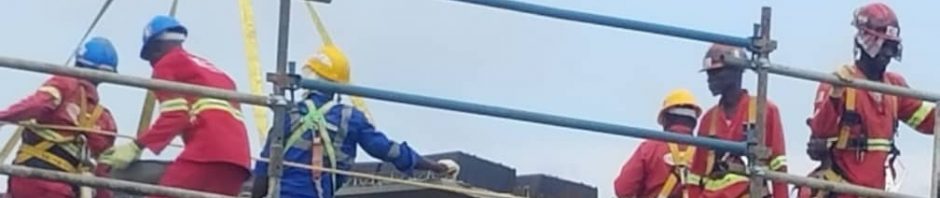
Open holes on construction sites are dangerous.

source credit:US dept. of labor

Openings in floors and roofs are often part of the work environment during construction, renovation and demolition. They must be guarded and securely covered so no one can accidentally step on it.

A hole is defined as a gap or void two inches or more in its least dimension, in a floor, roof, or other surface.

  • Conduits, trenches, and manhole covers and their supports, when located in roadways, and vehicular aisles must be designed to carry a truck rear axle load of at least two times the maximum intended load
  • Hole covers must be capable of supporting, without failure, at least twice the weight of employees, equipment, and materials that may be imposed on the cover at any one time

Securing and Labeling

  • All covers must be secured when installed to prevent accidental displacement by wind, equipment, or employees
  • All temporary covers must be color coded or they must be marked with the word “hole” or “cover” to provide warning of the hazard

Barriers

  • Barriers must be of such construction and mounting that, when in place at the opening, the barrier is capable of withstanding a load of at least two hundred pounds applied in any direction (except upward), with a minimum of deflection at any point on the top rail or corresponding member
  • Screens must be of such construction and mounting that they are capable of withstanding a load of at least two hundred pounds applied horizontally at any point on the near side of the screen
    • They may be of solid construction of either grill work with openings not more than eight inches long, or of slat work with openings not more than four inches wide with length unrestricted.

Control Measures and Safeguards

Implement the following safe work practices to reduce injuries:

  • Assess work site for opening and holes (secured or unsecured), prior to work starting
  • If the hole must be open, install permanent barriers around the perimeter
  • Communicate any hazards with other workers in the area
  • Notify your supervisor of any new openings and maintain a register/ permit system
  • Develop a fall protection plan
  • Develop safe practice procedure

Ensure covers do the following:

  • Completely cover the opening
  • Are securely fastened
  • Are labelled correctly
  • Can support any load that may be encountered on the work site
  • Protected with a standard toe board or solid enclosing screen to prevent materials falling through
  • Guard rails installed entirely around the opening
Posted in Uncategorized | Leave a comment

Some causes of accidents on construction sites

Video credit : Flame institute of fire and safety management

Falls

OSHA describes accidents involving falls as injuries sustained when dropping from a higher level to another below. This includes falling from stairs, roofs, upper floors, ladders, scaffolding, large stacks of materials, and more. The main reasons falling injuries occur are failure to mark hazards, nonuse of safety harnesses or lanyards, and ignored recommended safety protocols. Falls are presently the leading cause of catastrophic injury and death in the construction industry.

Examples of falls:

  • Scaffolding collapse due to exceeding recommended weight limits
  • Improper ladder usage
  • Falling through open-sided or unsecured flooring
  • Stumbling from stairs without guardrails
  • Following through open skylights
  • Slipping on unsecured roofing materials to the ground below

2. Caught-In or Caught-Between

Caught-in or caught-between injuries occur when a worker is caught between two heavy pieces of machinery or objects, or when clothing or body parts are caught in the moving parts of a machine. These injuries are nearly always devastating, often resulting in crushing, amputation, strangulation, or even death. Caught-in and caught-between injuries are the fourth most common catastrophic injury in construction and can often result in death.

Examples of caught-in/between injuries:

  • Being caught in a soil trench cave-in
  • Loose clothing, dangling articles, or body parts being pulled into power tools such as saws, drills, grinders, or sanders
  • Working under a vehicle when loose clothing is caught in moving motor parts
  • Crushed between a vehicle and a wall
  • Crushed under a hydraulic truck frame as it is lowering
  • Crushed under a collapsing, unsecured wall
  • Caught between heavy sheets of metal when securing bands failed

3. Struck-By Injuries

Struck-by injuries are injuries in which a moving object strikes a person. As opposed to caught-in or caught-between injuries, these injuries are incurred by forcible contact or impact, not crushing or pinning. These injuries are usually the result of lack of training, ignorance of recommended safety measures, or PPE failure or nonuse. Struck-by injuries are the second leading cause of catastrophic injury and death for construction workers.

Examples of struck-by injuries:

  • Struck by a moving vehicle
  • Objects slipping from hands and falling
  • Swinging or falling equipment
  • Falling overhead materials
  • Discharged nail from a nail gun
  • Materials launched by a saw
  • Flying debris from striking tools

4. Electrocutions

Electrocutions are defined as catastrophic injuries resulting from exposure to potentially lethal amounts of electrical energy. Electrical hazards are usually the result of worker miscommunication, lack of situational awareness, and PPE nonuse. While electricity-related injuries can vary in severity, it isn’t a risk to be taken lightly—it’s the third most common cause of construction workplace fatalities.

Examples of electrocutions:

  • Relocating an aluminum ladder when it makes contact with overhead power lines
  • Raised moving arms or baskets on heavy machinery coming into contact with power lines
  • A coworker flipping the power on during electrical work
  • Crossed wires during electrical service box installations
  • Coming into contact with damaged wiring during construction

Credit: Cooney and Conway

Posted in Uncategorized | Leave a comment

Prevention of exposure to construction dust

video credit : HSE,UK

Regular inhalation or breathing in of construction dust can cause diseases like lung cancer, asthma, Chronic obstructive pulmonary diseases and silicosis. Construction workers have a high risk of developing these diseases because many construction activities can create high dust levels.

These diseases cause permanent disability and early death.

Construction dust is the generic name given to dust that is found on a construction site. It usually refers to three main types of dusts:

Silica dust. Silica is a natural substance present in many commonly used construction products, like bricks, tile and mortar. Silica dust is produced when construction and mineral processing activities are carried out on silica-containing materials, including sanding, cutting and drilling. These activities release very fine silica dust particles, known as respirable crystalline silica (RCS), which are fine enough to penetrate deeply into the lungs when breathed in.

Wood dust. Wood dust can be created when carrying out work activities on hardwood, softwood and wood-based products.

Lower toxicity dust, also known as non-silica dusts. These types of dusts are created from work activities on materials containing very little, or no, silica. For example, construction activities carried out on marble, limestone and gypsum.

It is very important that employers take reasonable measures to prevent occupational illness caused by these hazards to workers. All construction site managers should follow these steps to preventing these risks.

1..Assess the risks – identify the hazards associated with your workplace and work activities and assess the risks. You must consider:

    The task itself. For example, consider the type of tools and materials that are being used to carry out the work activity.
    The conditions of the work environment.
    The duration and frequency with which a task is carried out.


    2. Control the risks – select controls to effectively eliminate or reduce the risks associated with your workplace and work activities. You must consider controls in line with the hierarchy of control. The hierarchy of control is outlined below:

    a. Eliminate the hazard. Consider ways in which you can eliminate the hazards. For example, you can eliminate dust-creating processes by ordering materials that are pre-cut, pre-prepared or pre-finished.


    b. Substitute for a less hazardous alternative. Consider if you can change the process or materials used to reduce the risks. For example, choosing wet methods over dry methods, such as using wet coring instead of dry coring, or using no-drill fixings.


    c. Engineering controls. Consider how you can alter or change the equipment used to reduce the risks. For example, could you use on-tool dust extraction, general mechanical ventilation or water suppression systems?


    d.Administrative controls. Consider how you can amend your work procedures to reduce the risks. Types of administrative controls include ‘designing out’ hazards, installing warning signs, enforcing job rotation and safe systems of work, and ensuring employees are appropriately trained in their responsibilities.


    e. Personal protective equipment (PPE). PPE should only ever be used as a last resort to reduce any residual risk to below an acceptable level. There is a legal duty on employers to consider the first four methods of the hierarchy of control to eliminate or reduce exposure to dust to below the workplace exposure limit (WEL). However, there are some situations where the use of one or more of the above controls can’t reduce dust exposure to below the WEL. Where this happens, suitable respiratory protective equipment (RPE) should be considered and used, alongside other controls, to reduce the risks to below the acceptable level.

    Posted in Uncategorized | Leave a comment

    The use of mobile phones on construction sites

    Video credit : Studio Rositter

    One of the leading causes of accidents on construction sites is due to lack of attention by workers undertaking activities. The use of mobile phones with the increasing access to social media platforms poses a lot of risk to many construction site workers. It is very important that construction site managers develop and ensure that no phone use policy is in place and adhered to by workers on the construction sites.

    The use of mobile phones can be dangerous on construction sites for several reasons:

    Distraction: Workers may become distracted by their phones, leading to lapses in attention and potentially hazardous situations.A worker using their phone while climbing up or down the scaffold may lose their balance and fall.

    Reduced awareness: Being engrossed in their phones can reduce workers’ awareness of their surroundings, including moving equipment, falling objects, or other hazards.While engrossed in their phone, a worker may fail to notice hazards such as uneven surfaces, loose fittings, or objects protruding into their path, increasing the risk of tripping or slipping.

    Interference with communication: Important communication devices, like two-way radios or walkie-talkies, may be interfered with by mobile phone signals, leading to miscommunication or missed instructions.If a worker is distracted by their phone, they may miss important safety instructions or warnings from colleagues, increasing the likelihood of accidents.

    Risk of damage: Construction sites can be harsh environments where phones are at risk of being dropped, crushed, or exposed to dust, water, or other harmful elements.

      To mitigate these risks, many construction sites implement strict policies regarding mobile phone usage, including designated areas for use during breaks and prohibiting usage in active work zones.

      Posted in Uncategorized | Leave a comment

      Floor Openings accidents on Construction Sites

      video credit : Ask Ehs engineering and consultants

      Floor openings on construction sites can pose significant safety hazards if not properly managed. Here are several ways in which floor openings can cause accidents:

      Trips and Falls: Workers may accidentally trip and fall into floor openings if they are not adequately marked or protected. This can happen if workers are not paying attention to their surroundings or if the openings are not clearly visible.

      Unprotected Edges: Floor openings that lack guardrails or protective barriers can result in workers accidentally falling from heights. Without proper fall protection measures in place, workers can suffer severe injuries or even fatalities from falls.

      Material or Equipment Falling Through: Objects such as tools, construction materials, or equipment can accidentally fall through floor openings if they are not properly secured or if the openings are left uncovered. This can endanger workers below and cause injuries or damage to property.

      Inadequate Lighting: Poor lighting around floor openings can make them difficult to see, increasing the risk of accidents, especially in low-light conditions or during nighttime work. Workers may inadvertently step into openings or misjudge their surroundings, leading to accidents.

      Inadequate Signage and Communication: If floor openings are not clearly marked with warning signs or if workers are not adequately informed about their presence, there is a higher likelihood of accidents occurring. Lack of communication and awareness can lead to workers inadvertently walking into hazardous areas.

      Failure to Follow Safety Procedures: In some cases, accidents involving floor openings occur due to a failure to follow established safety procedures and protocols. If workers neglect to use personal protective equipment, disregard safety guidelines, or bypass safety measures, they increase their risk of accidents and injuries.

      To mitigate these risks, construction sites should implement proper safety protocols, including installing guardrails and barriers around floor openings, providing adequate lighting, ensuring clear signage, conducting regular inspections, and providing comprehensive safety training for all workers. Additionally, supervisors and site managers should enforce safety protocols and address any hazards promptly to maintain a safe working environment.

      Posted in Uncategorized | Leave a comment

      Importance of wearing quality safety helmet.

      Video credit : We are the navigators

      Hard hats are the main piece of head protection that protects us from potential brain damage or other head injuries that results from the impact of falling or flying objects. It also protects the head from electric shock. To provide maximum protection, head protection hard hats must be fitted correctly and worn according to manufacturer’s instructions and country standards.

      When should head protection be worn? 

      • In areas where there is potential of being hit or struck by falling, fixed or moving objects e.g. scaffolding or crane operations
      • Where there is potential to fall from height e.g. elevated work platforms
      • If there is a potential of head contact with electrical hazards 
      • When exposed to UV, weather and extreme temperatures 
      • Wearing head protection is one of the easiest ways to protect your head from injury 
      • Inspect your hard hat each time you wear it, or at least weekly 
      • Do not wear the head protection over thick beanies or over “hoodies”
      • Always replace hard hat if it sustains an impact, even if damage isn’t noticeable .

      Grenotek deals in the sales of quality PPE with EU standard certifications.

      Contact us for all your PPE sales and delivery.

      Posted in Uncategorized | Leave a comment

      Preventing accidents using rebar caps

      Video credit: Visuals for law

      Rebar caps, also known as rebar safety caps or rebar protection caps, play a crucial role in construction projects by ensuring the safety and integrity of reinforced concrete structures. Here are five important reasons why rebar caps are essential:

      Rebar caps provide a protective covering for exposed reinforcing bars, preventing injuries to construction workers who may come into contact with them. Without rebar caps, workers risk impalement or serious injuries from accidental contact with protruding rebars.

      By covering the exposed ends of rebar with caps, construction sites become safer environments. This helps reduce the number of workplace accidents and incidents, which, in turn, lowers the potential for worker injuries and workers’ compensation claims.

      Rebar caps help prevent concrete spalling, which occurs when the exposed ends of reinforcing bars corrode and expand, causing the concrete to crack and chip. This can compromise the structural integrity of the concrete. Rebar caps act as a barrier, shielding the rebar from moisture and environmental elements that can lead to corrosion.

      Contact us for all your sizes of rebar caps needed for your construction site

      Posted in Uncategorized | Leave a comment

      Ghana at 67, Time to managing it’s e-waste.

      Photo credit: Bloomberg

      Managing electronic waste (e-waste) in Ghana  requires adherence to certain technical guidelines to minimize environmental impact and ensure safe disposal. In my previous article on e-waste,I featured the Agbogloshie e-waste dumpsite . In furtherance to this , in this short article, I will list some key points of focus including some scenarios for change and adaptation which will prevent the environmental pollution emanating from the dumping of e waste on landfill in Ghana inappropriately.Here are some key guidelines:


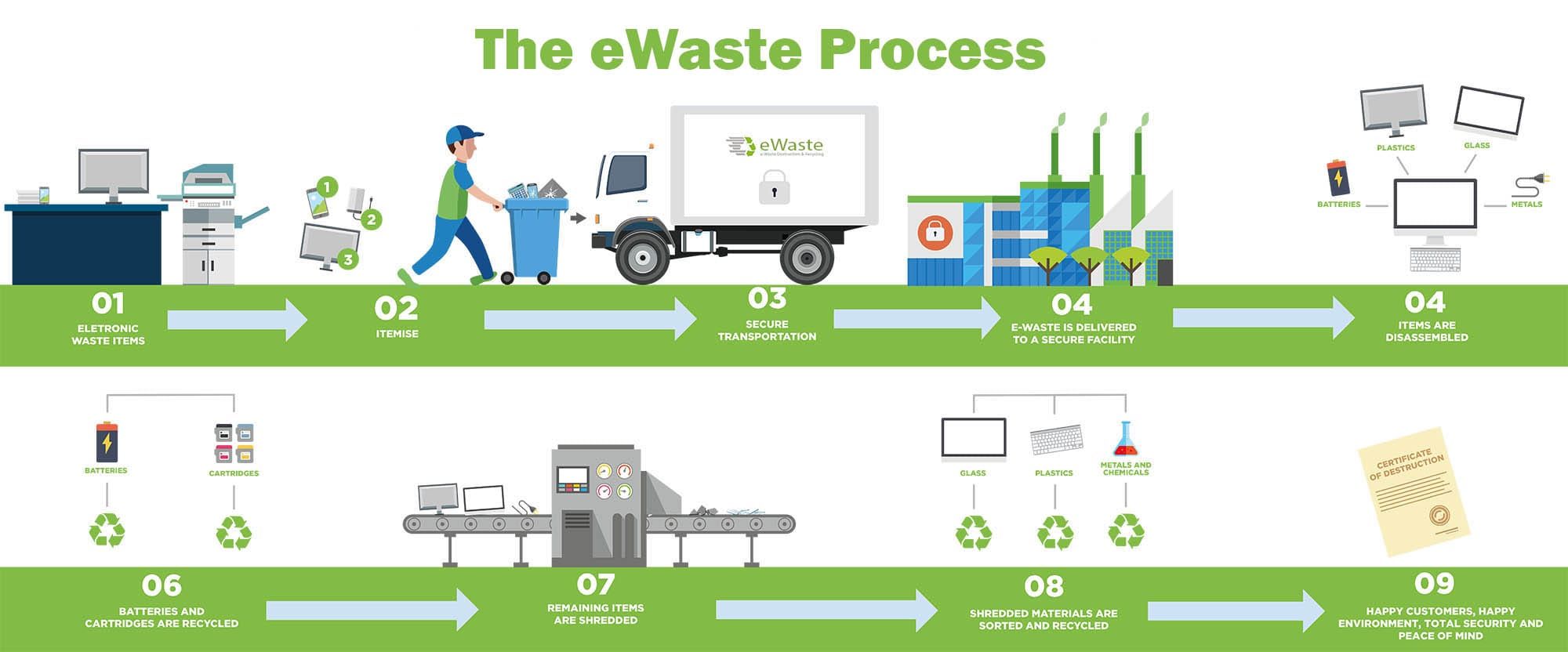
      Segregation and Collection: Separate e-waste from other types of waste at the source to facilitate proper handling and disposal.Individuals and companies should not discard electronic waste together with other types of waste. These should be kept separately to be sold off or given to appropriate persons expertized in disposing off e-waste. A major concern is that many of the e-waste collected by our  local scrap dealers end in drainage and on the streets. These scrap dealers dismantle the equipment to take the useful component and leave other components any where.Just imagine how appropriate it will be if a company upgrading its office computers instead of discarding old computers along with general waste, they designate collection bins specifically for e-waste. Ghanaians should also be educated on what constitutes e-waste, such as old computers, printers, and peripherals, and should be encouraged to deposit them separately.
      Also  e-waste should be stored in  designated areas that are secure and protect against environmental hazards like moisture, heat, and fire. This will prevent soil contamination and subsequent water pollution of underground water systems as a result of direct deposition of metallic dissolved components into the soil where e-waste is stored. These will have a fire consequence on aquatic biodiversity typically at areas of dump sites close to river bodies. The contamination at the Agbogloshie e-waste site is a typical example of such a situation.


      Transportation: Transport e-waste using authorized carriers to licensed recycling facilities or treatment centers.Consider a scenario where a recycling company specializes in e-waste disposal. They use specialized vehicles equipped with proper packaging materials and safety measures to transport collected e-waste from collection centers to recycling facilities.Approved refuse collection companies should consider investment in e-waste scrap collection from house to house and from companies in order to prevent unauthorized scrap dealers from inappropriately disposing off e- waste.

      Photo Credit:ECS

      Treatment and Recycling: Employ environmentally sound methods to recycle and treat e-waste, including dismantling, shredding, and recovery of valuable materials like metals, plastics, and glass. At the recycling facility, e-waste undergoes various treatment processes. For example, old computers are dismantled by trained technicians to separate components like metal casings, circuit boards, and cables. Valuable materials such as gold, silver, and copper are extracted through safe and efficient recycling techniques.


      Hazardous Material Handling: Handle hazardous components such as batteries, mercury-containing lamps, and printed circuit boards separately and dispose of them according to regulations.Many electronic devices contain hazardous materials like lead, mercury, and cadmium. A scenario could involve a recycling facility equipped with specialized equipment and trained personnel to handle hazardous components safely. Batteries are removed and disposed of separately, while mercury-containing lamps are treated to extract mercury for proper disposal.


      Data Security: Ensure data security and privacy by implementing procedures to erase or destroy sensitive data stored on electronic devices before recycling or disposal.Before recycling or refurbishing electronic devices, data security is paramount. A company upgrading its laptops ensures that all sensitive data stored on hard drives is securely erased using certified data wiping software or physically destroyed through shredding. This prevents the risk of data breaches and protects sensitive information. There have been several issues of leak audios and videos and personal information recently in the social media that resulted from the act of inappropriately discarding these electronic devices.


      Compliance: Comply with local, national, and international regulations regarding e-waste management, including proper documentation and reporting.Individuals and corporate organizations must comply with local, national, and international regulations governing e-waste management. This includes obtaining necessary permits, adhering to waste disposal laws, and maintaining detailed records of e-waste collection, transportation, and disposal activities.


      Public Awareness and Education: Thee public and stakeholders should be educated about the importance of responsible e-waste management and the potential environmental and health risks associated with improper disposal.Public awareness campaigns play a crucial role in promoting responsible e-waste management. Governments, NGOs, and businesses conduct outreach programs to educate the public about the environmental and health hazards of improper e-waste disposal. This encourages individuals to participate in e-waste recycling programs and make informed choices about electronics consumption.

      Posted in Uncategorized | Leave a comment

      Fall from leading edge accidents Prevention

      Video credit: OSHA/US department of labour
      Posted in Uncategorized | Leave a comment

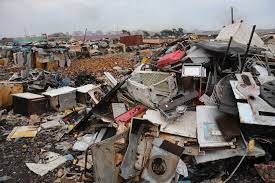
      Ghana’s Largest landfill-Agbogloshie dump site

      This feature video was done seven years ago by Grenotek.Both the guardian and Bloomberg in their feature articles also described the place as the world’s largest electronic waste recycling site.In July 2021, the city authorities undertook a demolition of all structures on the land leaving the area as a cleared piece of land.

      Hazardous waste is regulated internationally by both the Basel and Bamako Conventions. The Basel Convention entered into force in 1992. Its main objective is to protect human health and the environment against the adverse effects of hazardous waste by regulating the transboundary movement and disposal of hazardous and other waste. Sometimes parties engage in bilateral or multilateral agreements on hazardous waste management with other parties or non-parties, under the condition that such agreements are ‘no less environmentally sound’ than the Basel Convention (Article 11).

      Ghana is mandated to ensure proper disposal of e-waste as a measure of protection of the environment and the health and safety of populates especially those living in the immediate surroundings or conducting business around this area.

      To avoid the accumulation of e-waste, a major action for Ghana is to prevent the importation of second hand electronic equipment. Countries that export these e-waste should be

      The country’s national legislation and enforcement capacities must be strengthened, including equipping its seaports with more efficient technologies and training its ports’ personnel to detect hazardous waste.

      German government through the German Development Cooperation (GIZ) and the government of Ghana in 2019 set up three facilities as a measure to create a safe environment for merchants there and to solve the e-waste problem.

      What is the current situation of the Agbogloshie landfill? In our subsequent article on this subject,we will discuss any current trend of public or private investment in the landfill. We will also showcase the current situation of any improvement in the conditions of the environment and the merchants working with the e-waste disposal especially with the burning of metals leading to health risk of merchants involved in this activity.

      Take time to reflect on the situation of the area seven years ago.

      Posted in Uncategorized | Leave a comment