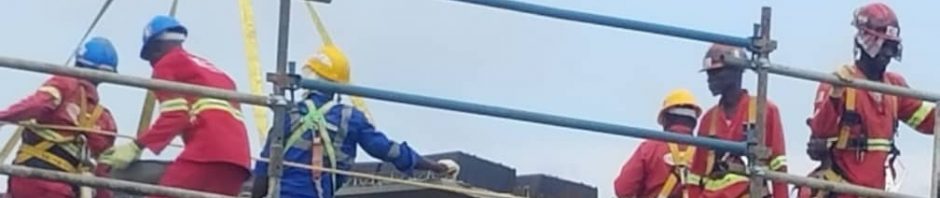
The Independence of the HSE department within an organization.

For most construction project management,the HSE office is always a functional department which works directly under the project manager for the successfully completion of the project. Certain jurisdictions have clear responsibilities of all parties of a construction project.For instance,the HSE regulations of Construction (Design and Management)2015 makes it a legal obligation on the designers of a project to ensure assessment of all significant risks,to eliminate and control all foreseeable health and safety risks.

In real terms during the construction phase,it is absolutely clear that the HSE department ensures enforcement on work practices and conformation to the site safety rules in order to achieve this feat. Ironically, the principal designer is not visible in terms of health and safety on the construction phase as many designers conclude their tasks even before the start of the construction phase as per contract terms. The task of the HSE office is therefore relevant in this case especially as the designer may not be available and it’s duties automatically relinquished to the client. One of the challenging decisions of the project manager is dealing with determination of which health and safety risks controls with bearings on cost and time delays on the project are proportionate and reasonable to allow.It is normally a case of disagreement between the HSE office and the Production office. The cue to an ideal project decision is definitely an understanding of the cost benefit analysis of these actions and it’s overall impact on the successful completion of the project.

The Independence of the judgement of the HSE office is thus very important in ensuring that it is firm to enact corrective actions and prohibition notes on certain activities or work procedures that may inadvertently cause a major injury or risk of fatality on the project. Certainly,where there are no specific laws on procedures for undertaking key high risk activities,it definitely becomes a difficult task for the HSE office.Being a health and safety officer on a project where you’re also an employee can indeed be challenging. Balancing firmness with professionalism while maintaining independence involves a few key strategies which I have analysed and summarized as below. These points I have noted are based on my personal experiences having worked in similar roles and also working in HSE consulting auditing some projects in Ghana.

Firstly,when you are employed in an organisation,it is important to clearly define and communicate your role and responsibilities. Make sure that both management and employees understand that your role is to ensure safety and compliance, not to serve as a disciplinary figure.Your renumeration are as a result of your absolute fair judgement and performance of your duties. You are not employed to “close your eyes” to non conformance and get paid at the end of the month. Whether you will be consulted, respected and seen as diligent in your work will be dependent on you performing your duties firmly and providing appropriate judgement to the level of significant risks that you able to identify.

Always base your decisions and recommendations on facts, regulations, and industry standards, rather than personal opinions.Before you make a decision to discuss any safety issue with management,it is important to assess critically the level of risks and examine all options of control and their consequences. Your decisions should not be based on your personal opinion when all other persons do not share your opinion of the level of risk. The suitable way to convince your management is finding appropriate basis of law, international standard or case study similar to the identified risk. This helps in maintaining objectivity and reducing potential conflicts of interest.

Do not compromise on safety at all where there is a foreseeable risk of injury. The ultimate decisions on projects are with the project manager. However,you should always make your diverse opinion and decision known to the project manager.If there is an eminent foreseeable risk of life or injury,it is very important to highlight the disapproval of the HSE office on such works to the project manager.If the project management decides to undertake the task without any controls to the risk where there is still a foreseeable risk to severe injury ,it is important to inform all workers about such risks as well. All workers have the right to avoid safe work and therefore would desist from such work knowing that the HSE office disapproves the work.It must be emphasized that workers rely much on the decision of what is safe work and unsafe work as determined by the HSE office.

Apply safety rules consistently across all levels of the organization. Enhance management to understand that every worker including management staff shall follow all site rules.When other employees are exempted on following rules which other workers may be met with disciplinary actions when the breach,it does not create a positive safety culture among workers. This helps in establishing credibility and demonstrates that safety policies are not optional but are important for everyone.

Ensure to communicate clearly and regularly with both management and staff. Keep everyone informed about safety procedures, updates, and the rationale behind certain policies. Transparency helps in fostering trust and respect.Ensure you have the backing of senior management on health and safety issues.Their support can empower you to enforce policies more effectively and make it clear that safety is a top priority for the organization.The best way to achieve management support is by training. When management members are trained on health and safety,they also become champions of health and safety issues.

Regularly provide training and educational sessions on health and safety. This not only helps in keeping everyone informed but also reinforces the importance of safety in the workplace.

Implement a system for receiving and addressing safety concerns or suggestions from employees. This demonstrates that you value their input and are committed to continuous improvement.

I will advise you to also subscribe to a professional health and safety membership to stay updated on the latest safety regulations, best practices, and industry trends. This enhances your expertise and helps you remain confident and authoritative in your role.You can also learn from other industry experience on solving similar health and safety issues you might face.

Keep detailed records of safety inspections, incidents, and communications. This documentation will help management relies the importance of maintaining a no accident information on the project. Discuss regularly with management on the investigation recommendations of accidents that may occur on the site and actions for improvement.

Combining these approaches as a safety officer can help you to maintain your independence and enforce safety measures effectively while navigating the dynamics of being an employee within your firm.

Posted in Uncategorized | Leave a comment

Good rest prevent workplace accidents

Resting on weekends plays a crucial role in preventing workplace accidents. A well-rested individual is more alert, focused, and less prone to errors, which significantly reduces the risk of accidents. Adequate rest helps replenish mental and physical energy, leading to improved concentration and decision-making skills. When employees take time to unwind and disconnect from work, they return refreshed, mitigating the effects of fatigue that can impair judgment and reaction times.

Moreover, weekends offer a valuable opportunity to manage stress and recover from the demands of the workweek. Chronic stress and exhaustion can lead to burnout, which negatively impacts performance and increases the likelihood of safety lapses. Regular rest helps maintain overall well-being, enhancing both physical health and emotional resilience.

Additionally, sufficient rest allows employees to maintain good physical health, reducing the risk of injuries related to strain or overexertion. When individuals are well-rested, they are more likely to adhere to safety protocols and remain vigilant to potential hazards.

In summary, prioritizing rest on weekends is essential for maintaining workplace safety. It ensures that employees return to work rejuvenated and capable of performing their duties with greater attention and care.

Ergonomic injury risk factors include forceful movements, repetitive motions, awkward postures, and lack of rest.  Rest periods give the body time to recover from work; breaktime exercises and stretches strengthen the body.  Workers should think of themselves as Industrial Athletes; athletes wouldn’t participate in a sport without proper rest and warm-up, so use the same preparation on the job.

Maintaining overall health reduces your risk of injury.  Get a good night’s sleep to rest your body and maintain alertness.  Eat healthy foods and drink fluids to boost energy and stay hydrated.  Aerobic exercise and weight training increase strength and vitality.  Stretching, yoga, and pilates improve flexibility and build core body strength.

Pay attention to signs of discomfort and fatigue on the job; these are warning signs from your body.  As muscles tire during a work task, slouching can lead to poor posture, sloppy, uncontrolled movements, and injuries. Rest breaks mean recovery for the body.  During a job task, take micro-breaks lasting 10-15 seconds every ten minutes.  Take mini-breaks lasting 3-5 minutes every thirty to sixty minutes.  These short breaks give the body a rest, reduce discomfort, and improve your performance.

Alternate your work activities and postures throughout the day.  Rotating tasks may seem inefficient, but the rest and use of different muscle groups increases energy and maintains productivity.  For example, if you are a landscaper, don’t trim all of the shrubs, sweep up the trimmings, and then leaf-blow the whole area; work in sections and trim, sweep, and leaf-blow in alternating tasks.  If you work at a single workstation and job task all day, move into different postures while you work: first standing, then standing with one foot resting on a stool, then sitting.

Stretches help you warm-up before work and relax during breaks; they increase flexibility and boost blood flow and oxygen to muscles.  Perform stretches slowly and gently; avoid extreme postures and stop stretching if you feel pain or discomfort.  Physical and Occupational Therapists are the most qualified individuals to generate a specific stretching and warm-up program.

Overall fitness and flexibility, adequate sleep, task rotation, and rest breaks can help limit the overall risk of injury.

Source: https://www.statefundca.com/Home/StaticIndex?id=https://content.statefundca.com//safety/safetymeeting/SafetyMeetingArticle.aspx?ArticleID=357

Posted in Uncategorized | Leave a comment

Working around cranes safely

Cranes are one of the most versatile, powerful, and important pieces of equipment commonly found on construction sites. They can be used to accomplish a lot of heavy lifting tasks, saving time and energy spent on a project. However, they can also be one of the most dangerous pieces of equipment on site since they can lift heavy loads over large areas of a project, require workers to perform work at great heights, and pose the risk of electrocution. Employees who work with and around cranes need to understand the hazards of moving parts and rigging loads. Hazards relating to this type of equipment can include:

  • Striking injuries from moving equipment, raising or dropping loads
  • Crushing injuries from equipment overturning, breaking, or rigging failures
  • Falls from performing work at heights
  • Electrocution from contact with overhead power lines

There are many different types of cranes that play an important role in lifting heavy loads, No matter which piece of equipment is being used, below are some general safety rules in regard to the maintenance and operation of cranes.

Before moving a load:

  • Check first for overhead obstructions such as power lines, trees, structures, etc.
  • Verify the load rating for slings, chains, and straps meet or exceed the lift’s rating
    • All slings, straps, and chains must have tags identifying the safe working load
  • Understand potential pinching and crushing hazards around the crane and the load landing area
    • Mark each area with paint or chalk so they are visible to the construction crew and bystanders
  • Barricade the swing radius surrounding the crane to ensure unauthorized persons do not knowingly or unknowingly enter the pinch-point areas
  • Check for proper balance of the load and that all items are clear of the path of travel
  • Follow a lift plan for all critical lifts
    • Make copies of the plan and distribute them to the persons on the site
    • Modifications to the plan should be communicated to all relevant team members

While moving a load:

  • Never allow crew or bystanders to travel or work beneath a suspended load
  • Keep all persons at a minimum safe distance away from the crane while a load is being raised, moved, or lowered
  • Crane operators must keep their focus and attention on the crane when it is in motion
    • The operator should not talk on the phone or text for unrelated matters
  • A trained signalman is required and the signaller and operator must use common industry hand signals
    • The operator and signaller must be able to see each other and communicate at all times
  • Only one person should operate a lift or give signals at a time unless it is required due to a specific hazardous situation
    • This prevents conflicting messages that could cause confusion
  • Use an air horn to signal a lift is in motion to alert personnel of what’s overhead
    • It should be loud enough to alert persons in the general vicinity who might not be watching the crane
  • Never raise a load higher than necessary
  • Never leave a load suspended in the air unattended

Controlling Contractor

The controlling contractor on site is responsible for exercising reasonable care to detect and prevent hazards on the site. If a subcontractor brings a crane on site, the controlling contractor must:

  • Ensure that a qualified person is designated as the lift director
  • Ensure that a qualified rigger supervises work performed by the rigging crew (see WAC 296-155-53406)
  • Allow crane operation near electric power lines only when the requirements of WAC 296-155-53408 have not been met
  • Ensure that an assembly/disassembly director supervises work involving the assembly and disassembly of a crane (see WAC 296-155-53402)
  • Identify and evaluate hazards (such as ground stability, hidden tanks, voids, and utilities) in the area where the crane will be set up
    • Inform subcontractors of any hazards found

source:garco.com

Posted in Uncategorized | Leave a comment

Key points to avoid accidents after weekends

Coming back from holidays or weekend might still create some joy or excitement hang over.However construction activities are such robust that workers needs to always keep their focus and alertness in order to avoid accidents.Safety is the priority and a core value to avoid sanctions and continuity of business. Every worker coming from holidays must ensure to follow these simple responsibilities in order to ensure accident free site .


Reacquaint Yourself with Safety Procedures: Review workplace safety protocols and emergency procedures to ensure you’re up-to-date.


Check Equipment and Workspaces: Inspect your work area and equipment for any issues that may have developed while you were away.


Adjust Gradually: Take time to ease back into your workload, avoiding overexertion and managing tasks gradually to prevent accidents caused by rushing.


Update Yourself on Changes: Be aware of any changes in procedures, policies, or team structure that occurred while you were away.


Communicate Effectively: Discuss any concerns or uncertainties with your supervisor or colleagues to ensure a smooth transition.


Prioritize Rest and Well-being: Make sure you’re well-rested and alert. Fatigue can impact focus and increase the risk of accidents.


Stay Organized: Keep your workspace tidy and organized to prevent trips, slips, and Certainly! Here are some safety precautions to help refocus after returning to work from holidays:


Reacquaint Yourself with Safety Procedures: Review workplace safety protocols and emergency procedures to ensure you’re up-to-date.


Check Equipment and Workspaces: Inspect your work area and equipment for any issues that may have developed while you were away.


Adjust Gradually: Take time to ease back into your workload, avoiding overexertion and managing tasks gradually to prevent accidents caused by rushing.


Update Yourself on Changes: Be aware of any changes in procedures, policies, or team structure that occurred while you were away.


Communicate Effectively: Discuss any concerns or uncertainties with your supervisor or colleagues to ensure a smooth transition.


Prioritize Rest and Well-being: Make sure you’re well-rested and alert. Fatigue can impact focus and increase the risk of accidents.


Stay Organized: Keep your workspace tidy and organized to prevent trips, slips, and falls.


Follow Ergonomic Practices: Adjust your workstation to maintain good posture and reduce strain, especially if you’ve been away from your desk for a while.


Stay Hydrated and Nourished: Drink water and eat balanced meals to maintain energy levels and cognitive function.


Practice Mindfulness: Use techniques to manage stress and maintain focus, such as taking short breaks and setting clear priorities for your tasks.
By following these precautions, you can help ensure a smooth and safe transition back to work after the holidays.

.
Follow Ergonomic Practices: Adjust your workstation to maintain good posture and reduce strain, especially if you’ve been away from your desk for a while.


Stay Hydrated and Nourished: Drink water and eat balanced meals to maintain energy levels and cognitive function.


Practice Mindfulness: Use techniques to manage stress and maintain focus, such as taking short breaks and setting clear priorities for your tasks.


By following these precautions, you can help ensure a smooth and safe transition back to work after the holidays.

Posted in Uncategorized | Leave a comment

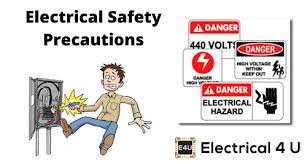
Check regularly Electrical devices

As an employer, it’s your legal responsibility to ensure collective employee protection and safety. The Health and Safety at Work Act 1974 stipulates all employer responsibilities in this regard, and within that lies the Electricity at Work Regulations 1989.

While most commercial and industrial spaces can go years without any severe electrical faults or issues, that is not to say that they shouldn’t be mitigated. If not properly managed, electricity can have severe consequences, with faulty installations and equipment sometimes being the root cause of fires, explosions, electrocutions, and serious human injuries or even death. 

Conducting regular electrical safety checks is therefore vital; having them professionally tested will ensure that all personnel and your business remain harm- and risk-free. As part of any company’s health and safety policy, regular electrical testing and assessments should be conducted in line with HSE Regulations .

Key Assessments and Inspections

Maintaining electrical safety requires a multifaceted approach involving both proactive checks and reactive incident investigation. There are two main categories of tests you can conduct to assess the safety and stability of electrical systems. They are:

  1. Fixed Wire Testing
  2. Portable Appliance Testing (PAT)

Fixed wire testing (commonly referred to as EICR testing) refers to the assessment of the main electrical wiring systems under BS 7671. Detailed periodic electrical inspections will usually involve visual inspections, operational testing (including RCDs) and reporting of all compiled faults and issues.

PAT testing is a process where all electrical appliances and equipment undergo individual testing and evaluation to ensure they are safe to use. All portable appliances need to be in good working order, while being reliable for earth continuity, insulation resistance, and polarity. If any problems are identified, the appliance must be repaired or replaced. 

While not compulsory, it’s recommended that all commercial property owners conduct PAT tests every few months, depending on the nature and use of the appliance or portable device. Meanwhile, fixed wiring installations must be tested and inspected every 5 years or sooner if there is a substantial change in the use or structural layout of the building. In other words, if any renovations or alterations have affected the electrical wiring composition, a fixed wire test must be commissioned. The

Some of the main risks of faulty electrical wiring or devices include: for

  • Electric shocks: Direct contact with live parts or “leakage” from faulty insulation, tools and cords can result in shocks, burns and even severe health issues.
  • Arc flashes and blasts: Short circuits can trigger explosive blasts which can cause immediate serious injuries and burns, particularly if metals and flammable chemicals are nearby.
  • Fires: Faulty electrical installations and overloaded circuits are a major cause of workplace fires. Electrical fires warrant the use of specific extinguishers and prevention methods.
  • Explosions: Certain industrial environments with combustible dust, vapours and gases can literally fuel an electrical explosion if equipment is not properly rated and maintained.

To enable complete electrical safety across your organisation, consider the following:

  • Avoid overloading circuits, by spreading the use of portable devices to multiple sockets.
  • Use properly grounded outlets and quality-marked extension cords to reduce the risk of fires and shocks.
  • Keep flammable materials away from electrical outlets to prevent any from catching fire and posing an immediate safety risk.
  • Ensure all appliances are in well-ventilated areas for the proper dispersion of heat.
  • Verify that all fuses and units are installed correctly and functional; disconnect and replace any faulty equipment as soon as you suspect a fault.
  • Remove any electrical cords from areas of high foot traffic to reduce the chances of slips, trips, and falls, while ensuring the integrity of the cords.
  • Report and follow HSE recommendations if employees suffer electric shocks, burns, or other injuries.
  • If an electrical fire cannot be immediately treated using the correct fire extinguishing equipment, call the fire and rescue services immediately.

Source: HSE network

Posted in Uncategorized | Leave a comment

Mental health among construction workers

The construction industry moves quickly with many projects being worked on at once, in dangerous and physically demanding environments. There’s one area that can be often overlooked however, which is employee’s mental health. According to WTW, more than half, nearly 60%, of construction workers suffer from a mental health issue during their career, showcasing how many people are affected by bad mental health.

Everybody is aware of the significant physical impacts working in construction, due to the endless physical demands in complex work environments as well as the high risk nature. Over the years, this is bound to have an impact on workers reducing their productivity and workflow. It’s important to remember that physical and mental health are related, so a construction worker that is struggling with physical health may be impacted mentally too.

Addressing the stigma

One of the first steps is to address the stigma surrounding mental health. Because it’s overlooked, workers will automatically focus on prioritising physical health over emotional wellbeing, demonstrating that emotional vulnerability is a sign of weakness. There are a variety of ways the stigma can manifest itself in the workplace, with jokes around mental health, dismissive attitudes towards seeking help and the culture of “toughing it out”.

As a result, many will keep their struggles quiet and not seek help when they need it, leading to a higher number of individuals taking their own lives. According to the Office for National Statistics (ONS), workers in construction are four to five times more likely to die by suicide than any other sector. This statistic alone is a sign that something needs to change.

How can the stigma be addressed? One of the key ways to address this is through talking openly about mental health, educating others and reducing the amount of negative comments surrounding mental difficulty.

Educating your team

It’s important to educate your team and train them to be mental health aware, promoting a positive mental health culture and willingness to open up at work. A first step could be to provide workers with information about common mental health challenges like stress, anxiety and depression. Training courses could also be provided to supervisors and managers so they can implement support when needed.

Self Care

Promoting self care across the team inside and outside work can help improve the mental wellbeing of employees, leading to better productivity and safety across the workplace. Especially in the construction industry, this would be normally pushed aside due to the need to meet project deadlines and completing physical tasks.

Disconnecting can be an effective way of promoting self care, and understanding the barrier between work and personal life. Workers can decide to take time off and go on a holiday, giving them time to revive and relax before returning to work.

If there is an attitude towards self care across the whole team, more employees are going to feel happier and work better together.

The negative effects on construction

As well as the effect on your workforce, there is a financial cost to ignoring mental health in construction. Some of these impacts can include:

  • Increased absenteeism: Workers may have the need to take time off work due to mental health struggles.
  • Presenteeism: This is defined as reduced productivity thanks to workers being physically present but mentally checked out, due to feeling unwell.
  • Accidents: Like mentioned above, mental health issues can have a negative impact on the way people act at work, reducing the level of concentration.
  • High turnover rates: Industries with high levels of bad mental health are more likely to leave the industry altogether. With the construction industry critical for infrastructure, its vital employees are retained to complete projects.

source: HSE network

Posted in Uncategorized | Leave a comment

Adopt a hearing conservative program at your workplace

Noise-induced hearing loss (NIHL) is a prevalent workplace hazard, affecting millions of workers worldwide. However, with proper awareness and proactive measures, it’s largely preventable.This article provides important information on how to create an effective hearing conservation program.

Hearing conservation is a systematic approach aimed at preventing occupational hearing loss. It involves identifying workplace noise hazards, implementing measures to control noise exposure, providing appropriate hearing protection devices (HPDs), and conducting regular monitoring to ensure compliance and effectiveness.

Any workplace with decibel noise levels exceeding PELs established by occupational health and safety regulations needs a hearing conservation program. Manufacturing, construction, mining, transportation, agriculture, and entertainment are susceptible to hazardous noise.

Designing a Hearing Loss Prevention Program
Here are the basic steps to get your hearing conservation program started.


1. Conduct a comprehensive noise assessment to identify areas of concern. Utilize sound level meters to measure noise levels across different workspaces and tasks.


2. Implement engineering controls to reduce noise levels at the source. These controls may involve machinery modifications, acoustic enclosures like audiometric sound booths, or soundproofing materials.

3. Develop administrative controls to limit exposure to hazardous noise. This includes job rotation, scheduling noisy tasks for quieter periods, and establishing designated quiet zones.

4. Use earmuffs or earplugs to protect employees from loud noise. Ensure proper fitting and educate employees on the importance of consistent use. Regular fit testing to verify the actual attenuation level of your employees’ hearing protection devices is also critical.

5. Train regularly to learn about the dangers of loud noise and how to prevent hearing loss. Train employees on proper HPD use, maintenance, and the signs of hearing loss.


6.Implement regular audiometric testing to monitor employees’ hearing health and detect early signs of hearing loss.

7. Maintain detailed records of audiometric results for each employee.
Continuously evaluate the effectiveness of the hearing conservation program through noise monitoring, compliance audits, and employee feedback. Make necessary adjustments to improve program efficacy.

Source: e3 diagnostics

Posted in Uncategorized | Leave a comment

Mobile Workforce Safety

62% of all reported work-related fatalities are related to vehicles.Over 80% of drivers admit to driving distracted eg. eating or using phones.23% of all vehicle crashes are weather related.

Lack of sleep for 17hrs is equivalent to blood alcohol content of 0.05%.

Fatigue is a type of impairment that reduces a driver’s ability to notice, process, and correctly respond to driving-related hazards. That’s why it’s a contributing factor in so many crashes. Use our resources for employers and drivers to help assess and reduce fatigue risks.

Everyone feels fatigued at some point and driving can make things worse. A warm vehicle and the soothing motion of the drive can make you drowsy and increase your crash risks.Some drivers are behind the wheel for long periods of time and can become bored and inattentive. Others who drive for even short periods of time in high-stress situations can find themselves exhausted. In all cases, they’re at greater risk of making costly mistakes.Fatigue can affect all drivers, but several groups are at greater risk. They include:Workers on night or rotating shifts,Long-haul commercial vehicle drivers,People taking prescribed and over-the-counter medications,Young males (especially under age 26)People with sleep disorders,People under the influence of alcohol or marijuana.

Fatigue is a type of impairment that reduces a driver’s ability to notice, process, and correctly respond to driving-related hazards. That’s why it’s a contributing factor in so many crashes. Use our resources for employers and drivers to help assess and reduce fatigue risks.


Who’s at risk?

Everyone feels fatigued at some point and driving can make things worse. A warm vehicle and the soothing motion of the drive can make you drowsy and increase your crash risks.

Some drivers are behind the wheel for long periods of time and can become bored and inattentive. Others who drive for even short periods of time in high-stress situations can find themselves exhausted. In all cases, they’re at greater risk of making costly mistakes.

Fatigue can affect all drivers, but several groups are at greater risk. They include:

  • Workers on night or rotating shifts
  • Long-haul commercial vehicle drivers
  • People taking prescribed and over-the-counter medications
  • Young males (especially under age 26)
  • People with sleep disorders
  • People under the influence of alcohol or marijuana

Impacts, causes, and warning signs

When an employee is physically or mentally fatigued (or both), it affects their ability to safely perform their driving duties. Studies show fatigue is a factor in about 20% of crashes.

How fatigue impacts drivers

Physical fatigue is the result of activities that exhaust muscles. It may leave a driver unable to respond as quickly or effectively as they normally would. For example, a strenuous day of physical work may slow a driver’s reflexes and increase their reaction time. Mental fatigue is a more frequent concern. It often causes reduced alertness, lower attentiveness, less focus, and poor decision making. It impairs a driver’s ability to perform essential driving tasks.

Fatigue tends to hit in waves. At first, drivers may not be as alert and vigilant as usual. Then emotional capabilities are affected, leaving drivers anxious, short-tempered, or more impulsive. Then mental abilities suffer, making it hard to concentrate, remember things, or make sound decisions.

Drivers who are mentally and/or physically fatigued are:

  • More likely to take risks
  • More likely to forget or ignore normal checks or procedures
  • Less able to absorb critical driving information and respond to it
  • Less able to solve problems
  • Less able to decide on the best actions to take to address a hazard, and execute the necessary responses
  • Less able to judge distance, speed, and time

At any stage, fatigue can be the difference between avoiding an incident and being involved in a serious, costly crash.

Impacts, causes, and warning signs

Fatigue is a type of impairment that reduces a driver’s ability to notice, process, and correctly respond to driving-related hazards. That’s why it’s a contributing factor in so many crashes. Use our resources for employers and drivers to help assess and reduce fatigue risks.


Who’s at risk?

Everyone feels fatigued at some point and driving can make things worse. A warm vehicle and the soothing motion of the drive can make you drowsy and increase your crash risks.

Some drivers are behind the wheel for long periods of time and can become bored and inattentive. Others who drive for even short periods of time in high-stress situations can find themselves exhausted. In all cases, they’re at greater risk of making costly mistakes.

Fatigue can affect all drivers, but several groups are at greater risk. They include:

  • Workers on night or rotating shifts
  • Long-haul commercial vehicle drivers
  • People taking prescribed and over-the-counter medications
  • Young males (especially under age 26)
  • People with sleep disorders
  • People under the influence of alcohol or marijuana

Impacts, causes, and warning signs

When an employee is physically or mentally fatigued (or both), it affects their ability to safely perform their driving duties. Studies show fatigue is a factor in about 20% of crashes.

How fatigue impacts drivers

Physical fatigue is the result of activities that exhaust muscles. It may leave a driver unable to respond as quickly or effectively as they normally would. For example, a strenuous day of physical work may slow a driver’s reflexes and increase their reaction time. Mental fatigue is a more frequent concern. It often causes reduced alertness, lower attentiveness, less focus, and poor decision making. It impairs a driver’s ability to perform essential driving tasks.

Fatigue tends to hit in waves. At first, drivers may not be as alert and vigilant as usual. Then emotional capabilities are affected, leaving drivers anxious, short-tempered, or more impulsive. Then mental abilities suffer, making it hard to concentrate, remember things, or make sound decisions.

Drivers who are mentally and/or physically fatigued are:

  • More l0pikely to take risks
  • More likely to forget or ignore normal checks or procedures
  • Less able to absorb critical driving information and respond to it
  • Less able to solve problems
  • Less able to decide on the best actions to take to address a hazard, and execute the necessary responses
  • Less able to judge distance, speed, and time

At any stage, fatigue can be the difference between avoiding an incident and being involved in a serious, costly crash.

Main causes of fatigue

Inadequate sleep is one of the leading causes of fatigue. It can impair the brain as much as drinking alcohol does. Research suggests being awake for 17 to 19 hours straight makes people drive like they have a blood alcohol level of .05. Most people need 7 to 9 hours of sleep each night. Getting less can create a sleep debt.

Losing one hour of sleep each night for 5 nights creates a sleep debt of 5 hours. The only way to “pay off” a sleep debt is to get an equal amount of restorative sleep to make up for it.

Fatigue has many common symptoms, but it can be difficult for drivers to notice them. Watch out for:

  • Feeling sleepy, drowsy, or exhausted
  • Yawning
  • Sore, heavy, droopy, or blood-shot eyes
  • Slower than normal reflexes and reaction times
  • Impatience or irritability
  • Aching, stiff, or sore muscles
  • Muscle cramps
  • Lack of motivation
  • Indecisiveness
  • Daydreaming, decreased ability to focus or concentrate

source:roadsafetyatwork.ca

Posted in Uncategorized | Leave a comment

Planning for Emergencies

Why do you have to prepare for an emergency?

90% of populations believe that an emergency will occur within the next two years but often rule out any chances of such emergencies occuring within their establishment or where they live. When disaster occurs,it often leads to confusion and decision making at that time is problematic. It often leads to REACTION instead of PROACTION. A poor decision arising from this often compounds the problem and often leads to more casualties.

Is there a regulatory requirements for emergency compliance for establishment and firms?

There needs to be a regulatory compliance for firms to put in practice so that it will safeguard employees safety and health.The Police,National Ambulance and Fire department are the main primary responders and incident commanders.The accessibility and immediate response of these responders to an emergency is a functions of necessary response training and planning for all firms and establishment. Has your company conducted any emergency drill for responding to any foreseeable risk emergencies since the last year? As incidence change in scope and risk,the response must also change to meet the demands. It is important that firms and establishment conduct regular emergency drills for responding to various likely emergencies.

Nearly 75% of the first respondents of the New York Fire Department who worked at Ground zero have developed long-term illness.(FDNY World Trade Centre Health Program). The number of survivors and first respondents death now stands at 4,343 surpassing the 2,974 deaths on the 9/11 incident(CDC World Trade Centre Health Program,03/31/21)

This calls for substantive insurance and care for the lives of persons who are involved in rescue operations during emergencies. If such arrangements are not available by law,it tends to lead to poor reaction to emergencies by these workers.There are many complaints from people referring to poor timing response to emergencies by responders.

Each firm should have an incident commander. The incident commander should not be based on position or rank.It should be based on most knowledgeable person based on the specific hazard.

Incident commanders have a duty to analyze action options plus the gains and costs associated with each action.Usually,more than one action option is available to control an emergency depending on the stage beyond which the emergency is set to be influenced.

Not only incident commanders should be trained,all employees needs training to achieve the targeted emergency rescue objectives.In times of crisis, a well defined plan is the difference between a rapid recovery,a major loss and the safety of your firm’s employees.

Posted in Uncategorized | Leave a comment

Farming company fined £320,000 after death of “much loved” family man

A company involved in fruit and vegetable production has been fined £320,000 after a man “who always put family first” was killed at a site in Burscough.

Francis Schlachter, known as Frank, suffered severe head injuries when he fell from a skip at a farm operated by M.A.Forshaw Limited on 3 January 2020. The 64-year-old from Southport was described as ‘a rock’ by his wife of 35 years Linda, who said how much he would be missed by his friends and family.

“I have lost my soul mate,” Linda said.

“He was a gentleman through and through, who will live on in our hearts and memories forever.

“It is the little things in life that you take for granted, which are greatly cherished now he’s gone and they mean the absolute world.

“Frank was my rock. He was kind, dependable and always put his family first. Since his passing, I have had a fair share of trials and tribulations to encounter and these have been a great challenge without the support of a beloved husband.

“We have all suffered the loss and it will be embedded in our bones forever.

“No man should go to work and never return home after a day of hard work.”

Frank had been working at the site off Marsh Moss Lane, tipping food waste into a skip from a container attached to a forklift truck (FLT). The container could not be securely attached to the FLT, which was known to detach from the vehicle during the procedure. As Frank attempted to manually assist in the operation, he was standing on top of the skip when the container slipped from the FLT causing him to fall to the ground, resulting in fatal head injuries.

Companies that use work equipment must manage the risks associated with its use. Detailed guidance on the Companies that use work equipment must manage the risks associated with its use. Detailed guidance on the Provision and Use of Work Equipment Regulations 1998 is available. Guidance for those using lifting equipment for work is also available.

An investigation by the Health and Safety Executive (HSE) found that M.A.Forshaw Limited of Heatons Bridge Farm, Scarisbrick, West Lancashire, had not fully assessed the risks involved in this daily task. Had they done so, the dangers would have been identified. They also failed to maintain equipment in safe working order and to properly instruct staff in safe working practices.

The company pleaded guilty to breaching Section 2(1) of the Health & Safety at Work etc. Act 1974. They were fined £320,000 and were ordered to pay £4,574 costs at a hearing at Wirral Magistrates’ Court on 1 February 2024.

HSE inspector Lianne Farrington said: “This wholly avoidable tragic incident led to the death of a much loved husband, dad and grandad.

“It was caused by the failure of the company to implement safe systems of work, properly maintain work equipment, and sufficiently assess the risks involved in routine work processes.

“If suitable work practices had been in place prior to the incident, Frank’s death could have been prevented.

“At HSE, we always stress the need for employers to risk assess tasks by speaking to the employees who undertake the work, and to ensure that work equipment is safe and suitable to use.”

This prosecution was brought by HSE enforcement lawyer Sam Tiger. Companies that use work equipment must manage the risks associated with its use. Detailed guidance on the Provision and Use of Work Equipment Regulations 1998 is available. Guidance for those using lifting equipment for work is also available.

An investigation by the Health and Safety Executive (HSE) found that M.A.Forshaw Limited of Heatons Bridge Farm, Scarisbrick, West Lancashire, had not fully assessed the risks involved in this daily task. Had they done so, the dangers would have been identified. They also failed to maintain equipment in safe working order and to properly instruct staff in safe working practices.

The company pleaded guilty to breaching Section 2(1) of the Health & Safety at Work etc. Act 1974. They were fined £320,000 and were ordered to pay £4,574 costs at a hearing at Wirral Magistrates’ Court on 1 February 2024.

HSE inspector Lianne Farrington said: “This wholly avoidable tragic incident led to the death of a much loved husband, dad and grandad.

“It was caused by the failure of the company to implement safe systems of work, properly maintain work equipment, and sufficiently assess the risks involved in routine work processes.

“If suitable work practices had been in place prior to the incident, Frank’s death could have been prevented.

“At HSE, we always stress the need for employers to risk assess tasks by speaking to the employees who undertake the work, and to ensure that work equipment is safe and suitable to use.”

This prosecution was brought by HSE enforcement lawyer Sam Tiger. Use of Work Equipment Regulations 1998 is available. Guidance for those using lifting Companies that use work equipment must manage the risks associated with its use. Detailed guidance on the Provision and Use of Work Equipment Regulations 1998 is available. Guidance for those using lifting equipment for work is also available.

An investigation by the Health and Safety Executive (HSE) found that M.A.Forshaw Limited of Heatons Bridge Farm, Scarisbrick, West Lancashire, had not fully assessed the risks involved in this daily task. Had they done so, the dangers would have been identified. They also failed to maintain equipment in safe working order and to properly instruct staff in safe working practices.

The company pleaded guilty to breaching Section 2(1) of the Health & Safety at Work etc. Act 1974. They were fined £320,000 and were ordered to pay £4,574 costs at a hearing at Wirral Magistrates’ Court on 1 February 2024.

HSE inspector Lianne Farrington said: “This wholly avoidable tragic incident led to the death of a much loved husband, dad and grandad.

“It was caused by the failure of the company to implement safe systems of work, properly maintain work equipment, and sufficiently assess the risks involved in routine work processes.

“If suitable work practices had been in place prior to the incident, Frank’s death could have been prevented.

“At HSE, we always stress the need for employers to risk assess tasks by speaking to the employees who undertake the work, and to ensure that work equipment is safe and suitable to use.”

This prosecution was brought by HSE enforcement lawyer Sam Tiger. for work is also available.

An investigation by the Health and Safety Executive (HSE) found that M.A.Forshaw Limited of Heatons Bridge Farm, Scarisbrick, West Lancashire, had not fully assessed the risks involved in this daily task.  Had they done so, the dangers would have been identified. They also failed to maintain equipment in safe working order and to properly instruct staff in safe working practices.

The company pleaded guilty to breaching Section 2(1) of the Health & Safety at Work etc. Act 1974. They were fined £320,000 and were ordered to pay £4,574 costs at a hearing at Wirral Magistrates’ Court on 1 February 2024.

HSE inspector Lianne Farrington said: “This wholly avoidable tragic incident led to the death of a much loved husband, dad and grandad.

“It was caused by the failure of the company to implement safe systems of work, properly maintain work equipment, and sufficiently assess the risks involved in routine work processes.

“If suitable work practices had been in place prior to the incident, Frank’s death could have been prevented.

“At HSE, we always stress the need for employers to risk assess tasks by speaking to the employees who undertake the work, and to ensure that work equipment is safe and suitable to use.”

This prosecution was brought by HSE enforcement lawyer Sam Tiger.

Source:HSE

Posted in Uncategorized | Leave a comment