Not Wearing Seatbelt: Imagine you’re a construction worker driving a forklift around a site. Even for short distances, always buckle up. In a sudden stop or collision, the seatbelt can prevent serious injury.Abdominal, skeletal, vascular, and thoracic injuries such as whiplash, concussions, bone fractures, musculoskeletal damage, internal bleeding, and more are the most common effects that result from car accidents. Many people endure long-term complications, sometimes months—if not years—after an accident
Not Inspecting Equipment: Suppose you’re a mechanic preparing to use a power drill. The bit of the drill was not properly secured and ejected immediately after starting to cause injury to another worker. Before starting, check for any damage or defects. Using faulty equipment could lead to accidents or malfunctions.Each site should develop a plan for equipment inspection. This should be actively undertaken and supervised by the health and safety officers to ensure that it is implemented. Many accidents could have been prevented if due inspections were not sidelined.
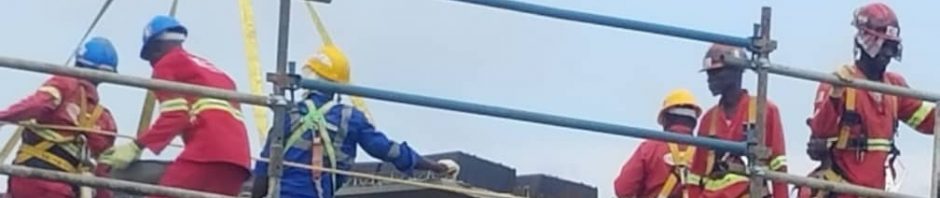
Not Using Fall Protection: Picture yourself as a roofer installing shingles. Always wear a harness and secure yourself to an anchor point. This precaution prevents falls from heights, reducing the risk of severe injuries or fatalities.Importantly, remember that overhead Fall Arrest Systems are not just about compliance with health and safety regulations; it’s about ensuring the well-being of the employees who put their trust in it. The significance of an overhead fall protection in ensuring safety while working at height cannot be overstated. After all, every worker deserves the right to go home safe at the end of the day
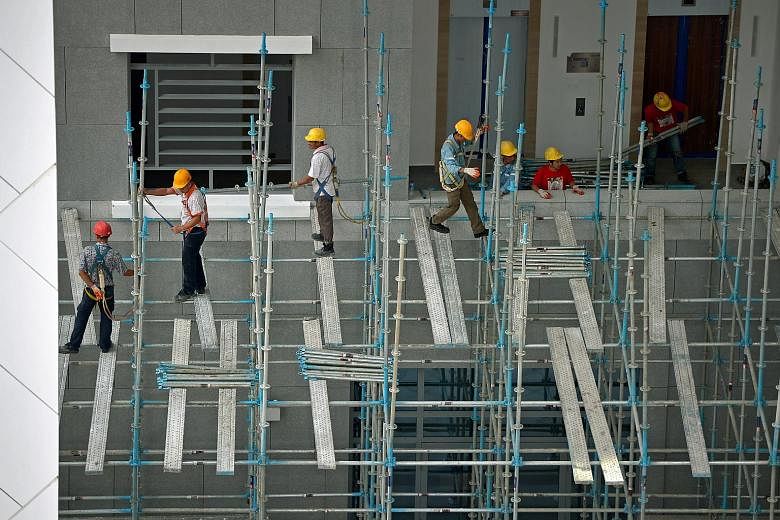
Blind Spots: As a warehouse worker, stay clear of the blind spots around forklifts or trucks. If you can’t see the driver, they likely can’t see you. Being in these blind spots increases the chance of being struck or caught in a collision.
Standing in Line of safety: Suppose you’re working with a colleague operating a nail gun. Stand clear of their line of safety to avoid getting hit by a misplaced nail. Being aware of potential hazards like this can prevent serious injuries.
Not Maintaining Clean Work Areas: Imagine you’re in a manufacturing facility. Properly storing tools and materials reduces clutter and prevents tripping hazards. A clean workspace also makes it easier to spot potential dangers.
Improper Chemical Handling: Picture yourself in a laboratory. Ensure all chemicals are correctly labeled with their contents and hazards. Proper storage prevents accidental spills or exposure, protecting both you and your colleagues.If your workplace focuses on chemical storage safety best practices, there will be a negligible risk of property damage. However, storing incompatible chemicals together can cause fires or explosions, resulting in millions or billions of dollars in damage to property. If your organization’s building burns down, you won’t be able to make the product and will lose a significant amount of money from a lack of manufacturing.
Not Communicating Hazards: Suppose you notice a loose railing on a staircase. Inform your supervisor or colleagues immediately. By communicating hazards, you help prevent accidents and create a safer work environment for everyone.
Not Stopping Work for Hazards: Imagine you’re working on a construction site and notice a gas leak. Stop work immediately and evacuate the area. Addressing hazards promptly prevents potential accidents or injuries.
When a worker perceives an unsafe condition, hazard, or behavior on the job site, they have an obligation to stop work or intervene on behalf of another person at risk.
If the danger is immediate, stop work immediately and begin the SAFER sequence. If the danger is not imminent, report the hazard to a supervisor.


 Grenotek Engineering Services