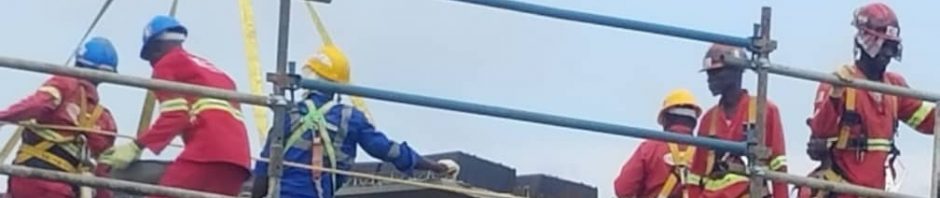
Nearly all construction sites are filled with various sounds and noises. Each sound we hear is the result of an action of a worker using a tool or a piece of equipment. In nearly every case, a tool or piece of equipment will signal its breakdown by a change in the normal operating sound.
Everyone on site should condition himself or herself to be able to pick up these advance warning signals even when wearing ear plugs or earmuffs. Your individual safety could easily be dependent on your ability to hear approaching danger.
Guide for discussion
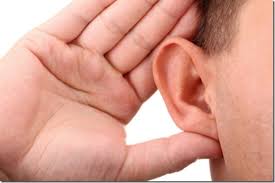
Photo credit: Safetyrisk.net
The following factors account for workers poor listening ability on construction sites.
Over concentration on work: When workers are intensely focused on their tasks, they may not be as aware of their surroundings, including potential hazards such as loud noises. This can lead to a lack of attention to protective measures and an increased risk of hearing damage.
Lack of sleep: Fatigue from inadequate sleep can impair cognitive function and reaction times, making workers less able to respond to auditory cues or protect themselves from loud noises effectively.
Improper overeating habits: Poor dietary habits can contribute to overall health issues, including those affecting hearing. Certain nutrient deficiencies may impact the health of the auditory system, potentially leading to decreased hearing ability over time.
Use of alcohol or drugs (both legal and illegal): Alcohol and drugs can impair judgment and coordination, increasing the likelihood of accidents or exposure to hazardous noise levels. Additionally, some substances may have ototoxic effects, directly damaging the auditory system.
Poor workplace ventilation: Inadequate ventilation can lead to the buildup of harmful substances in the air, which may affect overall health, including hearing. Exposure to certain chemicals or pollutants can contribute to hearing loss or exacerbate existing conditions.
Loud radios; individual radio with earplugs: Listening to loud radios or using individual radios with earplugs can expose workers to high levels of noise, increasing the risk of noise-induced hearing loss. Prolonged exposure to loud noises, even through earplugs, can damage the delicate structures of the inner ear over time.
Addressing these factors requires a comprehensive approach to workplace safety and health. Measures such as implementing hearing conservation programs, providing proper training on the use of personal protective equipment (PPE), promoting healthy lifestyle habits, ensuring adequate rest periods, and maintaining a safe and supportive work environment can help mitigate the risk of hearing loss among construction workers. Additionally, regular monitoring and assessment of workplace conditions can help identify and address potential hazards before they impact workers’ health and safety.
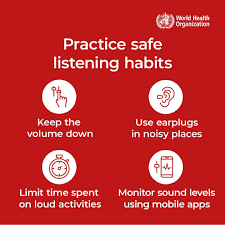
Photo credit:WHO
Construction workers can improve their listening safety habits by:
*Becoming acquainted with the proper operational sounds of equipment and tools
*Listening closely to instructions. Ask questions if instructions are unclear or confusing
Stay alert


 Grenotek Engineering Services