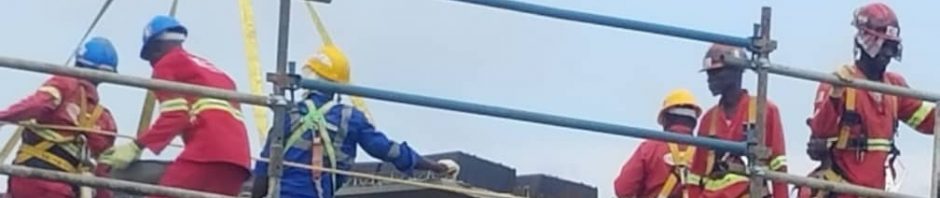
Working on the construction site always requires continuous attention to movements of people and machines. As much as the timelines and project quality is relevant,the safety of the workers undertaking the project should never be compromised. Changes happen very quickly on construction sites. However whatever the changes, it is important that a careful consideration and discussion of the impact of these changes on the safety of the workers and the quality and timeline of the project to be affected be communicated to the workers.
This principle can improve safety, efficiency and overall morale on worksites.In this piece , I want to highlight two fundamental controls every construction site should consider the following key controls to ensure safety of it’s workers.
Ergonomics and balance:
Ergonomics involves designing the work environment and tasks to fit the capabilities and limitations of the human body.
Proper ergonomic design reduces the risk of musculoskeletal injuries, such as back strain or repetitive strain injuries, which can occur from awkward postures or overexertion during construction tasks.
Construction workers are often working in tight spaces or maneuvering themselves into irregular positions. Knowing how to properly use and move their bodies is one of the best ways to prevent injury. Splitting up workers based on their functions allows stretch and flex programs to get even more specific in addressing body movements and usage.
By ensuring that workspaces are ergonomically optimized,workers can perform their duties safely, avoiding the chances of accidents and injuries.
Maintaining proper balance reduces the risk of slips, trips, and falls, which are common causes of accidents in construction sites.
Workers can improve their balance through exercises and training programs that focus on strengthening core muscles, and enhancing spatial awareness.
By incorporating principles of ergonomics, practicing hand-eye coordination techniques, and enhancing balance, midwives can minimize the risk of accidents and injuries in the workplace. Creating a safe and supportive environment not only protects construction workers but also promotes visitor safety on sites.
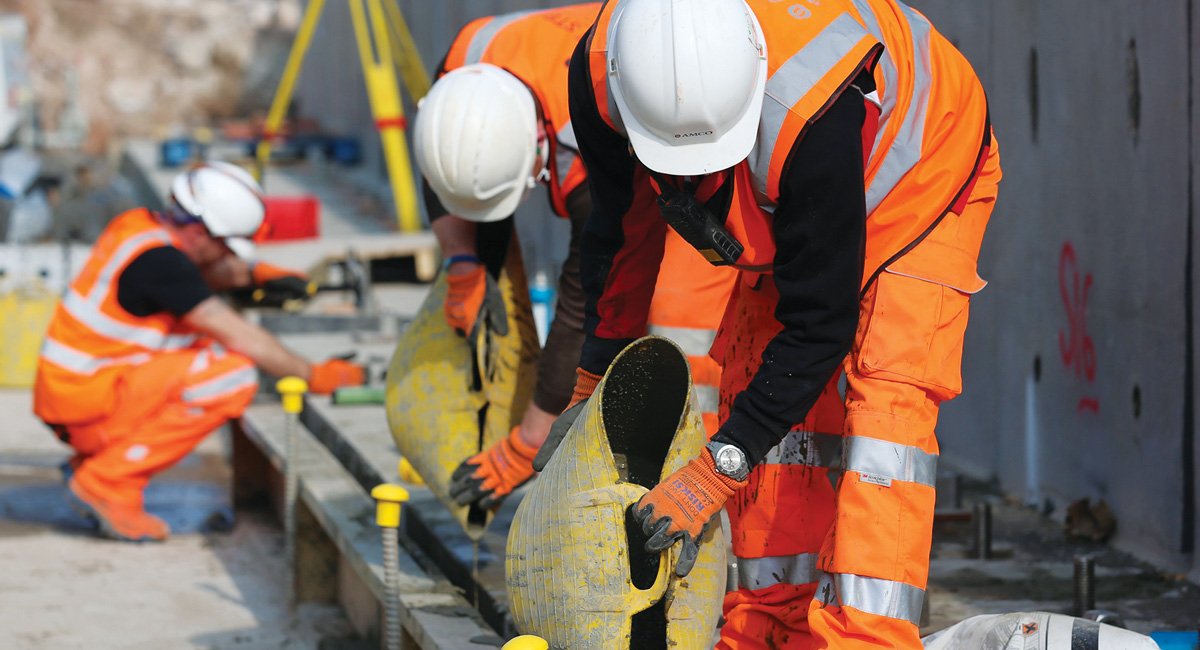
Photo credit : Industrial safety and hygiene news
Balance refers to the ability to maintain stability and equilibrium while standing, walking, or performing tasks. On site, good balance is crucial for navigating potentially hazardous environments, such as working on scaffolds and elevated working platforms.
Sense Coordination:
Sense coordination is the ability to synchronize sensual input with movements to perform tasks accurately and efficiently and to avoid danger.This is critically the ability to be mindful and paying attention to the environment of the workers. A construction worker should pay enormous attention to all his key senses of sight,hearing and smell.
In construction, precise hand-eye coordination is essential for performing procedures such as dressing of columns, casting of beams etc.Accurate hand-eye coordination helps construction workers handle tools safely, minimizing the risk of errors or accidents during construction activities.
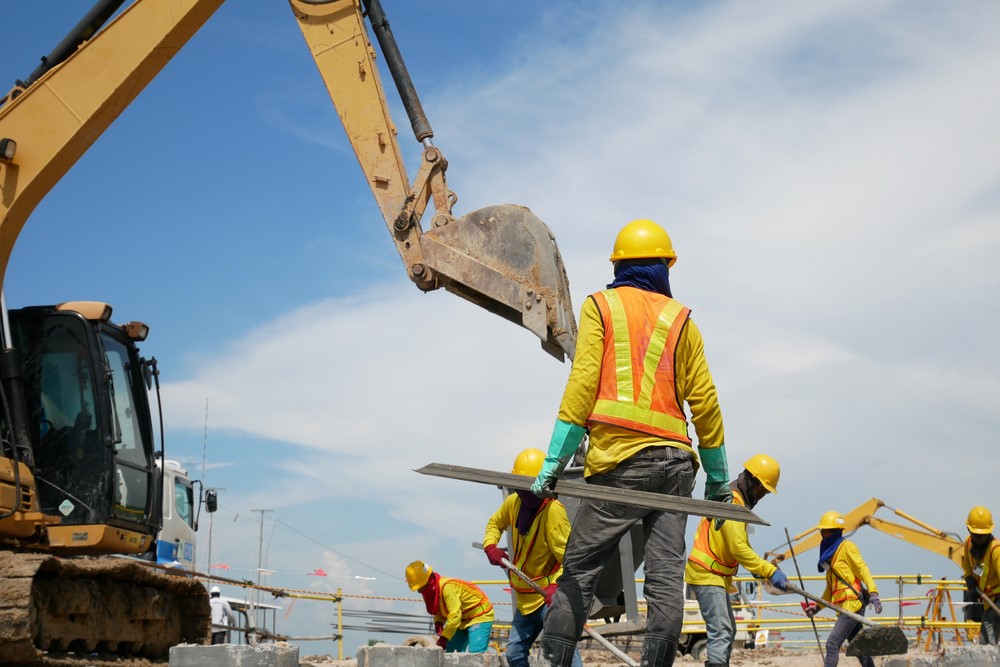
Photo credit : SHEQ Management
Due to loud background noises of different working machines and people, it is important that every worker observed critically all ongoing activities at intervals during working hours. This keeps the worker in sight of any danger.
Regular practice and training can improve sensual coordination, ensuring that workers can perform tasks confidently and effectively in fast-paced and demanding situations whilst being aware of their environment.


 Grenotek Engineering Services