Good decision-making about how we manage the waste we create is one of the most important contributions humanity can make to reducing its impact on the natural world. This has not been the case by city and municipal authorities in managing waste in the city of Accra. Every year Ghana suffers from seasonal flooding. In Accra, as in many other places, drains blocked by plastics and other wastes are an important factor in this. Due to a lack of organized collection, many people simply dump their solid wastes, some of which gets washed into the drains. Floods in 2011 incurred loss of life and damaged or destroyed livelihoods and economic value. Fourteen people were killed, 43,000 were affected, and 17,000 lost their homes, with damage to roads, waterways and bridges also reported. In addition 100 incidents of cholera were identified a week after the flooding occurred.
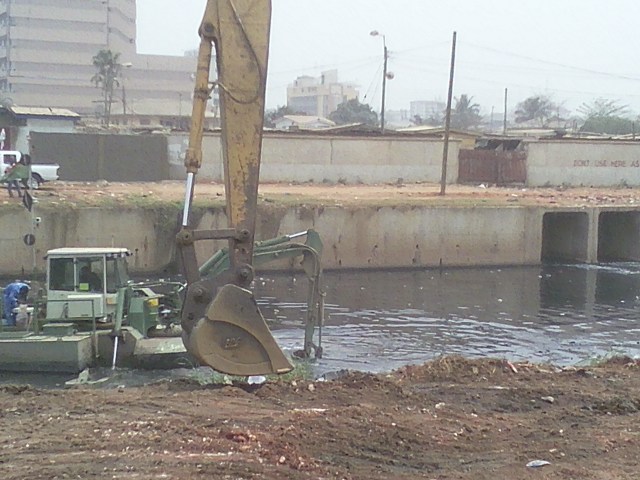
Dredging in the Odaw River Photo Credit :Author
In June, 2015 after an intense rainfall led to severe flooding in Accra, more than 200 people lost their lives in the Kwame Nkrumah Circle flood incidence.
The Agbogbloshie dumpsite in the city is considered among ten most polluted dumpsites in the world according to Waste Atlas Partnership 2014 report.
Plastics and Polyethane bags are more common materials that seem to choke our shallow drainage systems. It’s painstaking that on purchase of Porridge and doughnuts of Ghs 1.00 value (popular breakfast in Ghana) more than three pieces of polyethane bags comes with it which mostly ends up inside our drains. One might be tempted to conclude that implementing taxes on plastics and polyethane products imported into this country is more plausible than taxation on consumables.
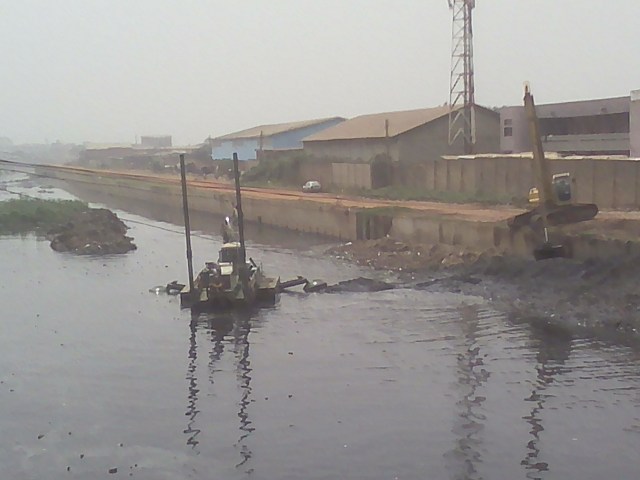
Dregding in the Odaw River Phot credit: Author
As renewed efforts to keep the capital city clean, the largest drainage system in Ghana, the Odaw river is being desilted of garbage and magnitude of sand and debris on the river bed. This will lead to free flow of most drains in the city. This is not the first of its kind. Meanwhile these efforts are meaningless if there is not a fundamental change in populace behavior and waste and sanitation policies governing the city. Majority of the waste present in the Odaw river is washed down from many smaller drains which ends on the Odaw river. I am sure many of us would like to debate on the quantum of contract price awarded for this dredging project. It is relevant that local and municipal assemblies provide effective means of waste disposal systems and transportation to landfill sites. Many municipal and District Assemblies simply have but one or none of waste collection vehicles in their assemblies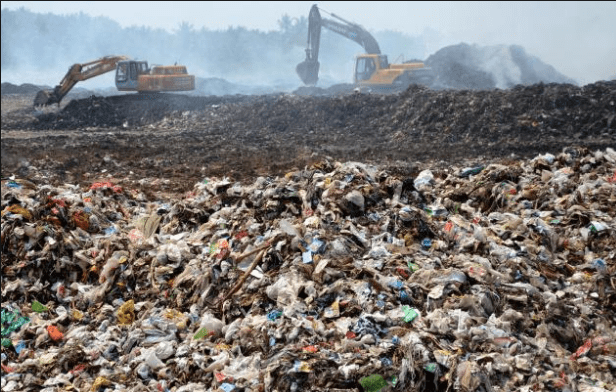
Most countries have benefited a clean city by adopting “polluter pays principle” in dealing with waste management. A case is in the Republic of Kiribati, the largest small island in terms of ocean territory; a beverage container deposit system has been operational since 2004. Under this system PET bottles and Aluminium cans have an AUD 0.05 (5 cent) levies paid on them at importation and collected by the Ministry of Finance and Economic Development (MFED). This cost is passed on through the commercial system to the consumer – who upon returning the empty beverage container at a collection point receives AUD 0.04 (4 cents) back. One cent as ‘handling fee’ is for the recycling operator to make the operation viable. In Ghana, in order to get disposal under some level of control, additional responsibilities should be extended to producers and importers of plastic products. Ghanaians should be informed and educated on the relevance of waste segregation. This is a low cost technology and recovers value from waste by converting organic waste into compost and valorizing recyclable materials, while providing livelihood opportunities to the urban poor.
Many people have shared their opinion on the recent dredging works in the Odaw River.
Check out the opinions of some people on the Odaw river dredging.


 Grenotek Engineering Services